






Ernest Bloch: A Journey Through His Life and Musical Legacy
Ernest Bloch (July 24, 1880 – July 15, 1959), a Swiss-born American composer, held a significant influence in the musical world during his lifetime. Recognized as one of the greatest Swiss composers, Bloch's works are distinguished by dramatic expression and often draw on philosophical, poetic, or religious themes. Through his fascinating works, Bloch carved a niche for his name, imprinting a lasting legacy in melodies that resonate across the globe.
Early Life and Education
Born in Geneva, Switzerland, Bloch began playing the violin at age nine and soon started composing. He studied violin and composition extensively across Europe, including advanced training in Geneva, Brussels (with the celebrated violinist Eugène Ysaÿe), Munich, Frankfurt (with Iwan Knorr, who shaped Bloch's compositional voice), and Paris.
Career and Contributions
After moving to the United States in 1916, Bloch held several influential teaching positions, including at the Mannes School of Music, Cleveland Institute of Music (as first Musical Director), and as director of the San Francisco Conservatory of Music. He also taught at the University of California, Berkeley, and was named Professor Emeritus in 1952. A preeminent artist of his era, Bloch composed captivating musical scores, their aesthetic and structural richness underlining his mastery and captivating audiences beyond boundaries.
Notable Works
Bloch's compositions are celebrated for their emotional power and craftsmanship, especially in music for strings and works inspired by Jewish heritage. Key works include "Schelomo – A Hebrew Rhapsody" (for cello and orchestra), a deeply expressive work reflecting Jewish themes and one of his most famous compositions. "A Voice in the Wilderness" (for orchestra and cello obbligato) is another emotionally charged piece frequently performed. Bloch also wrote five string quartets, highly regarded in the chamber music repertoire.
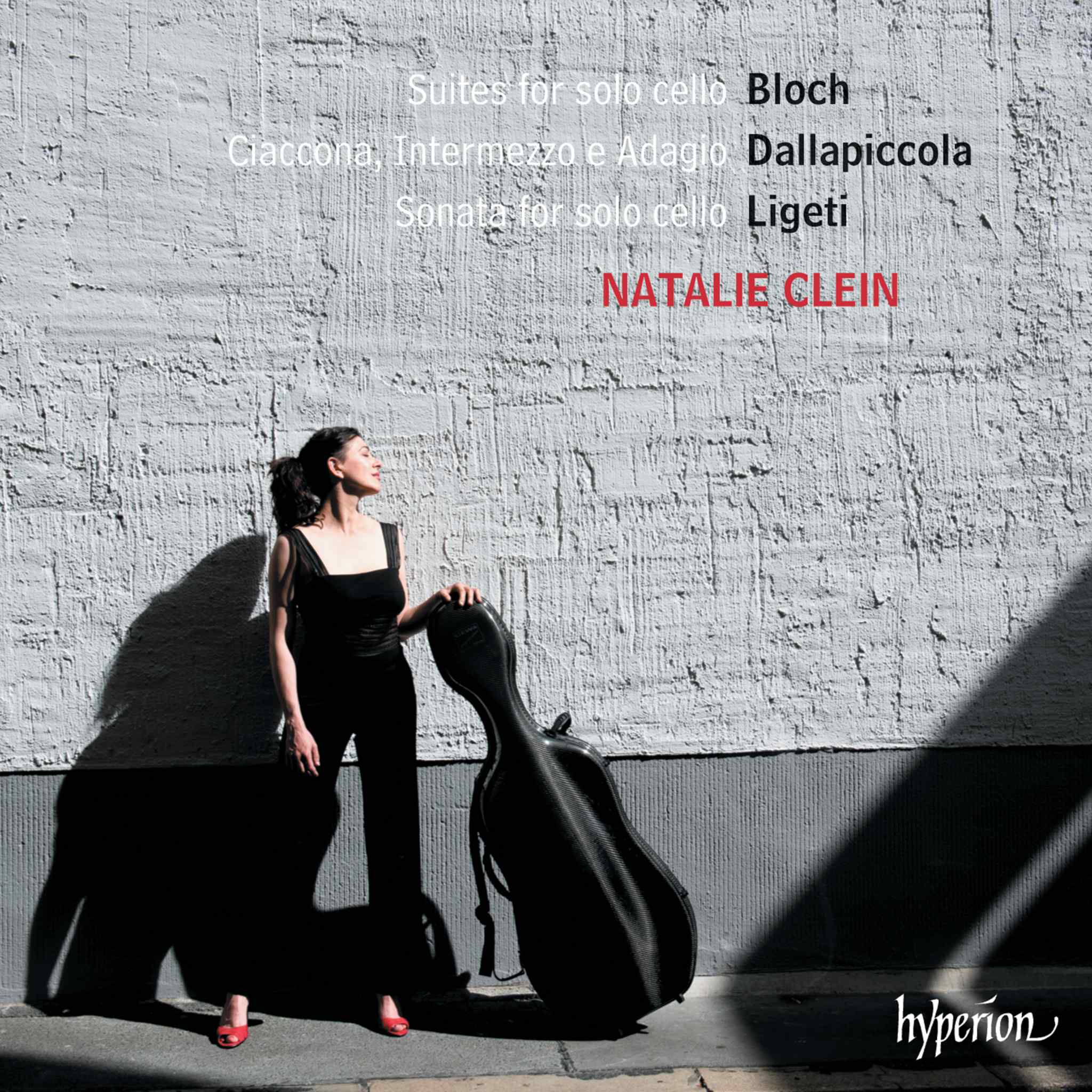
His compositions continue to fascinate the world, inspiring countless musicians and artists. Bloch's works like The Verbier Recital, Schelomo & Voice in the Wilderness, and Suites for Solo Cello continue to resonate in concert halls, making audiences relive the magic of his music.
Conclusion
To fully grasp the multifaceted talent of Ernest Bloch, one needs to delve into his masterpieces - an intriguing voyage into a world where music bestows profound emotions, incites contemplation, and invokes the artist's rich cultural heritage. Explore the enchanting universe of Ernest Bloch's compositions on STAGE+.