Fascinating Works by Matthew Locke
Matthew Locke offers a fascinating catalogue of instrumental and vocal chambers that drew the attention of music lovers and experts alike during the Restoration period. The following recordings and collections present a cross-section of Locke's output, highlighting his significance in English Baroque music and his versatility across genres:
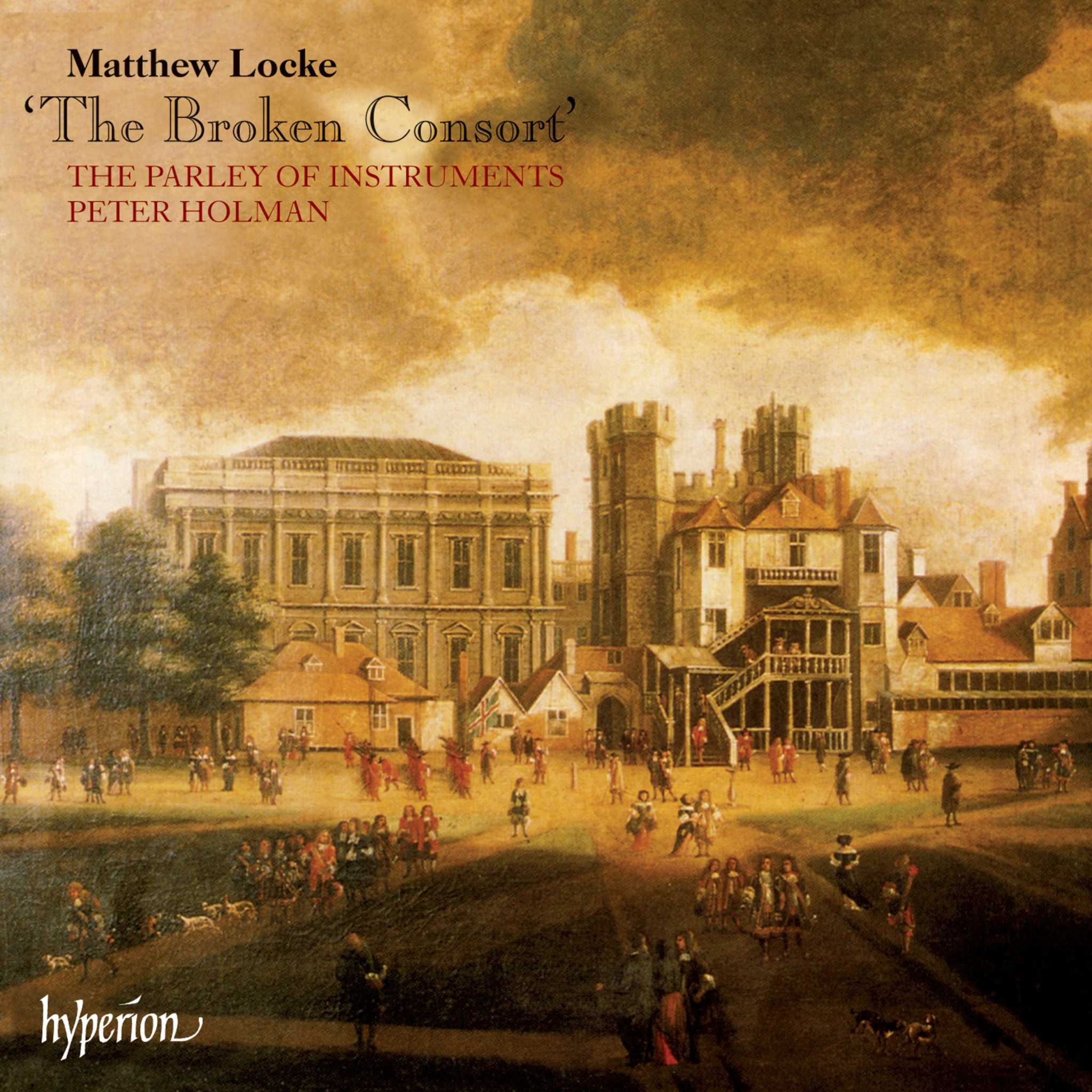
The Broken Consort; Bass Viol Duos
In this album, Locke showcases his signature style, playing with the Parley of Instruments conducted by Peter Holman. The album features instrumental consort music, showcasing Locke’s mastery of late-Renaissance and early-Baroque styles.
Four & Twenty Fiddlers: Music for the Restoration Court Band
Another album by Locke, "Four & Twenty Fiddlers: Music for the Restoration Court Band," combines different forms of music from the Restoration period. The Parley of Instruments brings life to Locke's composition in this collection, reflecting his prominent post under King Charles II.
Locke: Anthems, Motets & Ceremonial Music
"Locke: Anthems, Motets, & Ceremonial Music” explores Locke's sacred compositions. The delivery by the Choir of New College Oxford, conducted by Edward Higginbottom, provides the necessary loftiness to Locke's anthems and motets, demonstrating his significant contributions to English church music.
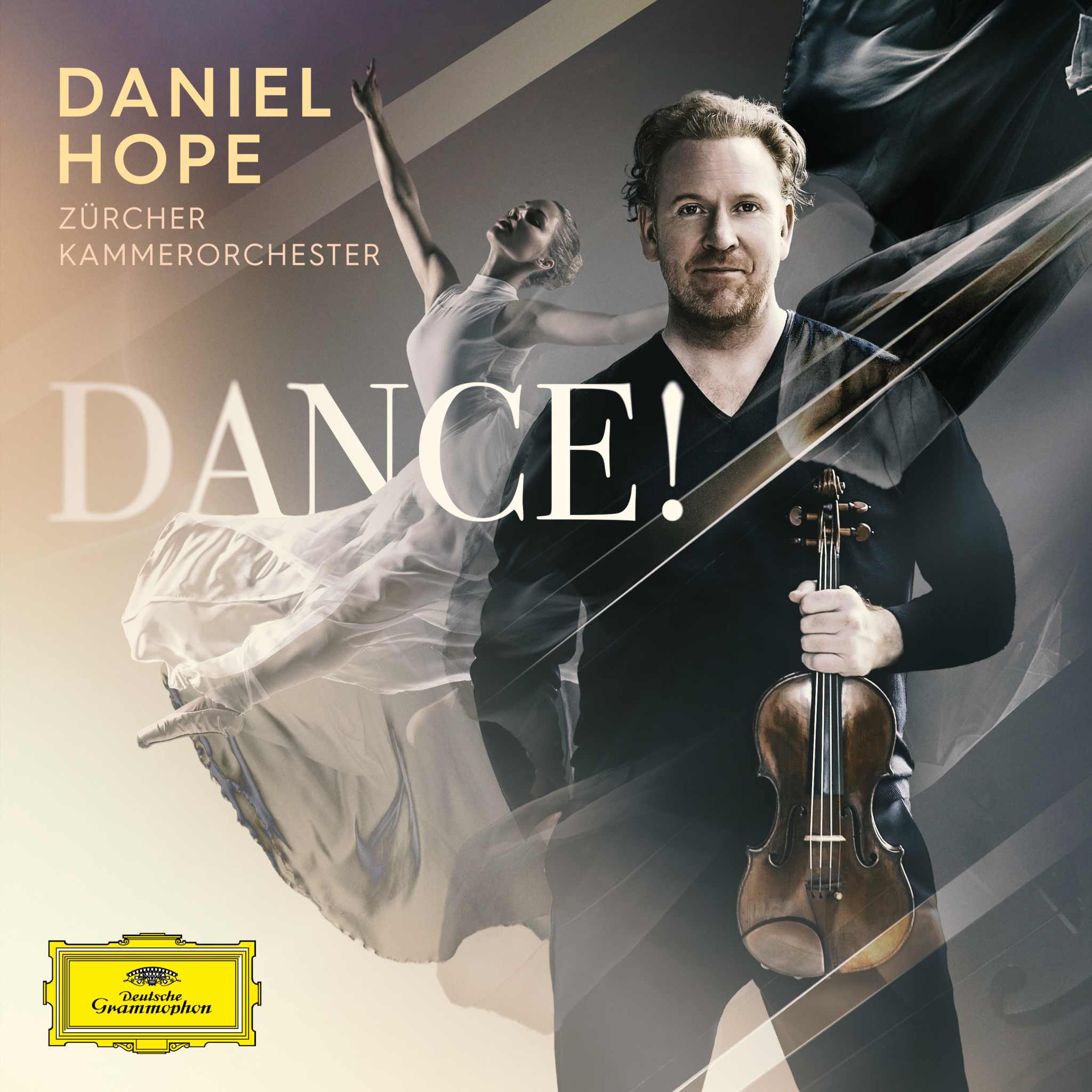
Dance!
In "Dance!," Locke's composition is performed by the renowned violinist, Daniel Hope, and the Zürcher Kammerorchester, with compositions reimagining the vivacity of dance music from the Baroque period.
Pavans and Fantasies from the Age of Dowland
In "Pavans and Fantasies from the Age of Dowland," John Holloway performs a stunning collection of Locke’s compositions, highlighting the composer's depth and mastery of strings. While Dowland was from an earlier generation, this collection places Locke’s music in the context of English instrumental traditions.
English Lute Songs: Ayres for Countertenor
"English Lute Songs: Ayres for Countertenor" sees countertenor Robin Blaze and lutenist Elizabeth Kenny interpreting Locke's compositions, offering a fresh perspective to his musical genius and highlighting the vocal writing of the era.
For His Majestys Sagbutts & Cornetts: English Music from Henry VIII to Charles II
"For His Majestys Sagbutts & Cornetts: English Music from Henry VIII to Charles II" by His Majesties Sagbutts and Cornetts offers a delightful collection of British music from across several royal reigns, featuring works by Matthew Locke.
Favourite Baroque Classics
In "Favourite Baroque Classics," the Brandenburg Consort led by Roy Goodman interprets Locke