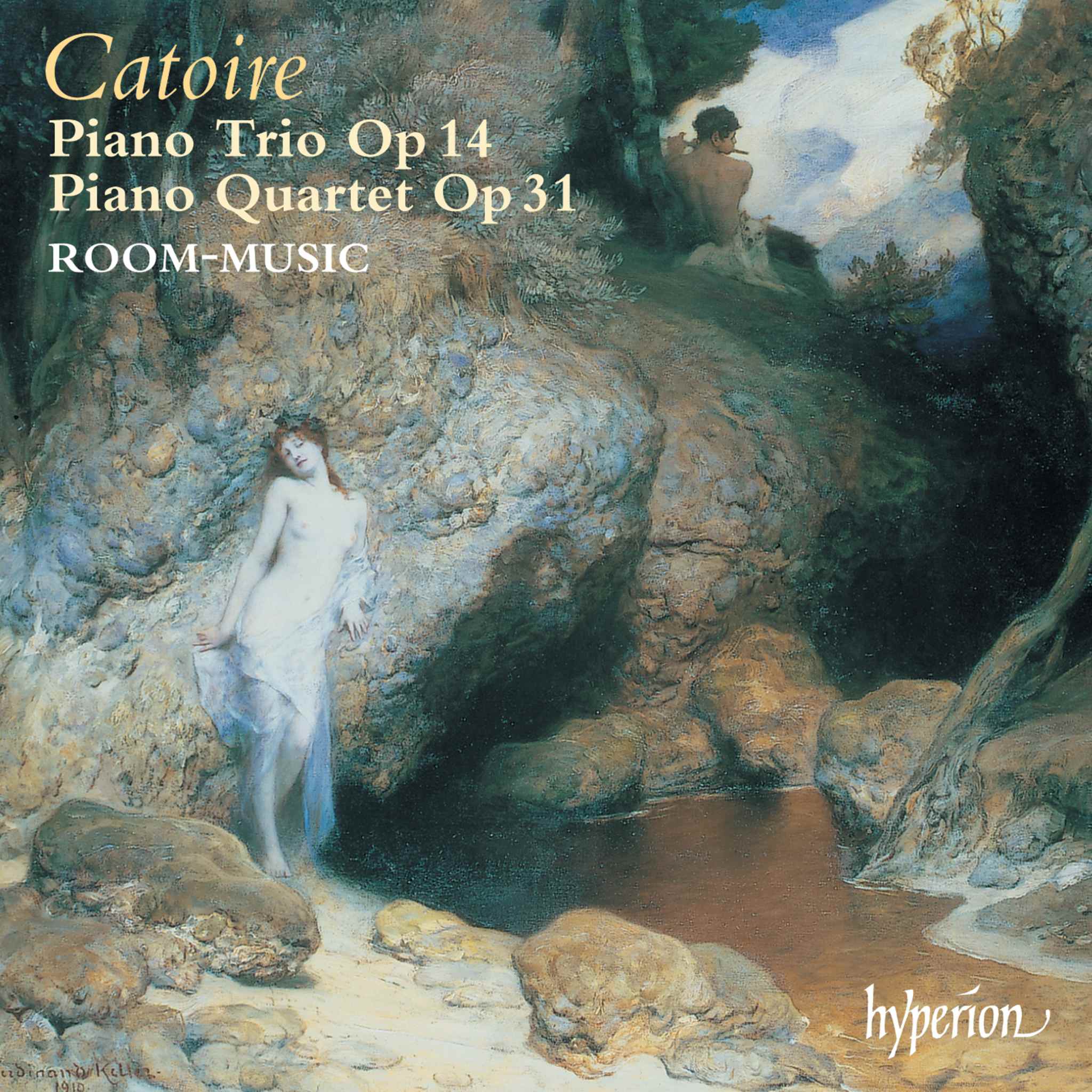

Georgy Catoire: Profile and Musical Legacy
Georgy L'vovich Catoire (1861–1926) was a Russian composer and music theorist of French descent, born in Moscow. Although not as widely acclaimed as his contemporaries, Catoire played a significant role in the development of Russian music at the turn of the 20th century. He is recognized for his sophisticated synthesis of Russian, German, and French compositional schools. His distinct style and compelling musical narratives have given him a recognizable yet underappreciated seat on the table of reputable composers.
Fascinating Works: Chamber and Piano Music
Catoire's output spans symphonies, a piano concerto, choral works, songs, and especially chamber music and piano works. His chamber music, including violin sonatas and sextets, draws from a blend of Tchaikovsky’s lyricism, Wagnerian chromaticism, and French impressionist color. This reflects both his extensive training and his exposure to Western European trends.
His piano music demands virtuosic technique and a keen sensitivity to color and nuance. The music shares qualities with Tchaikovsky and early Scriabin, yet is marked by Catoire’s own refined harmonic language and structure. His violin sonatas are considered masterpieces of Russian chamber literature. These works combine Russian romance with French elegance and Germanic craft.
Influences and Style
Catoire initially studied mathematics and science at Moscow University but was irresistibly drawn to music. He was profoundly influenced by Richard Wagner from his teenage years and later received compositional guidance from Nikolai Rimsky-Korsakov, Anatol Lyadov, Anton Arensky, and Sergei Taneyev. Tchaikovsky himself recognized Catoire as "very talented…(but) in need of serious schooling," which Catoire duly obtained. His mature style synthesizes Russian melodic lyricism (Tchaikovsky), German harmonic complexity (Wagner), and French influences leaning more towards Franck and Debussy.