
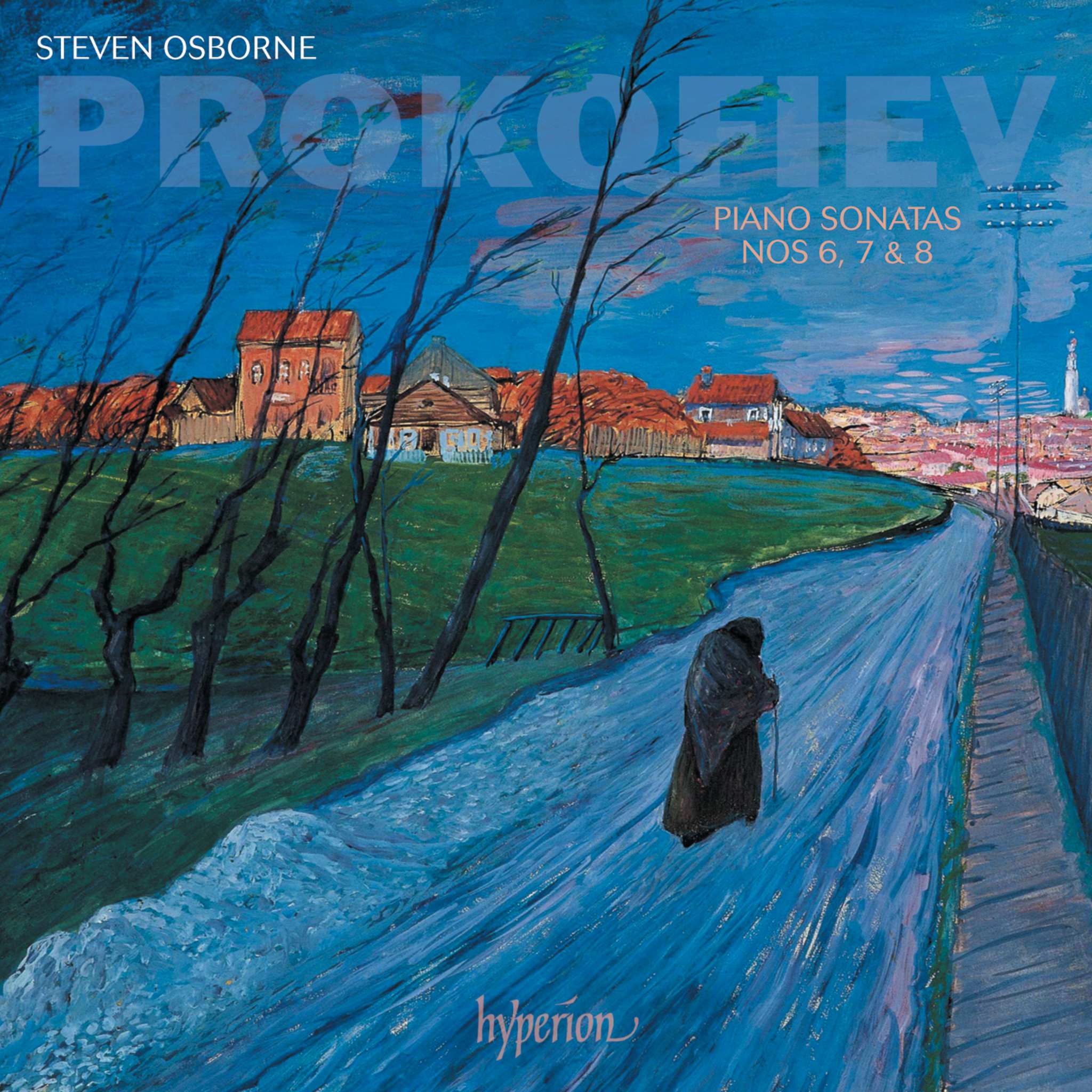

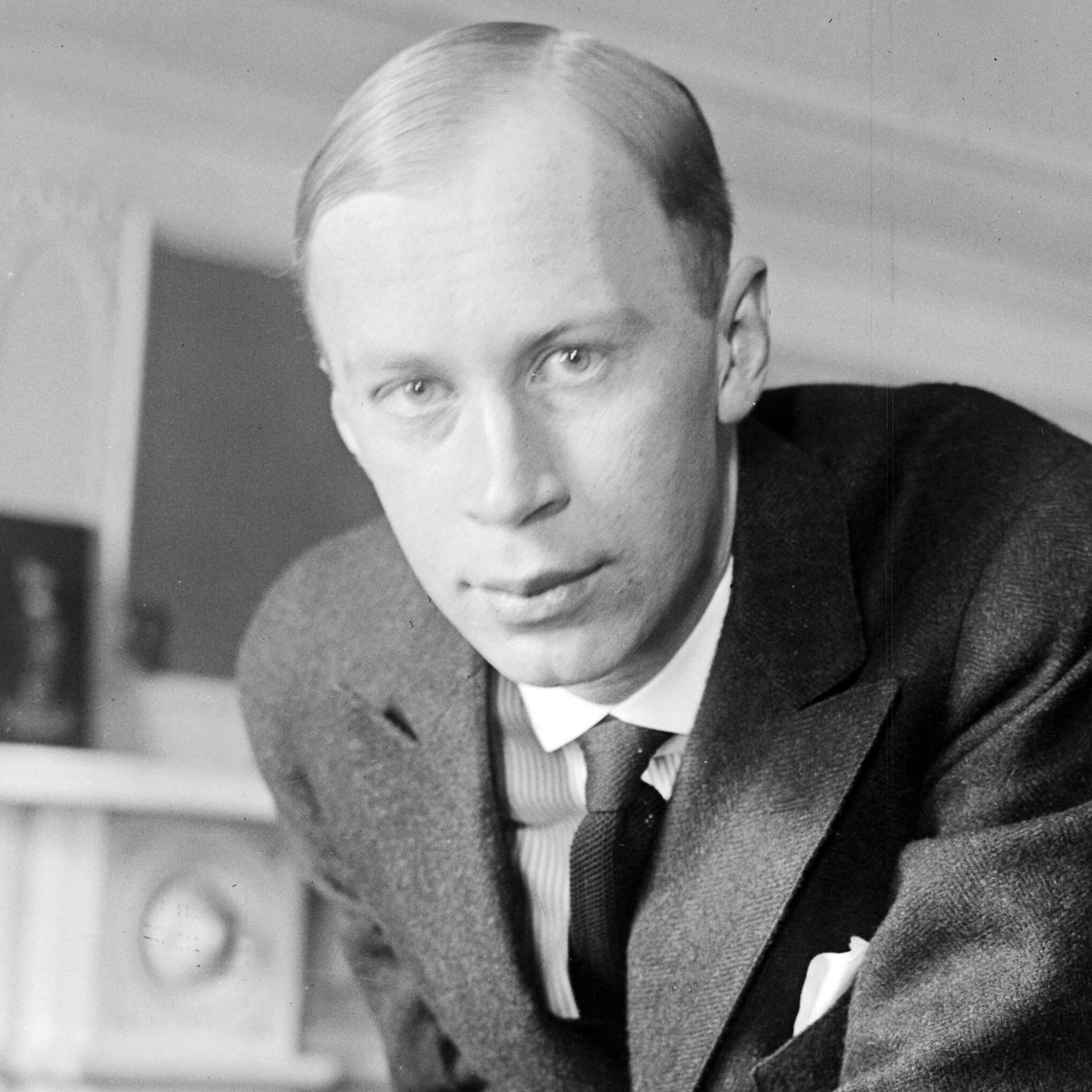



Between 1939 and 1944, when the Soviet Union was both suffering the consequences of Stalin's Great Terror and embroiled in World War II, Sergei Prokofiev composed his piano sonatas Op. 82, 83, and 84. These works, known as the sixth, seventh, and eighth sonatas, were originally conceived together before Prokofiev later separated and developed them individually. Whether Prokofiev actually based the three sonatas on a war theme remains unclear, as the designation "War Sonatas" did not originate with him. As early as 1935, he was exploring the idea of setting parts of Tolstoy's "War and Peace" to music as an opera, which underscores his interest in war themes. The sonatas contain references to other works composed at the same time, such as melodies from "Romeo and Juliet" or "War and Peace." While motifs from contemporary pieces like "Eugene Onegin," Op. 71, were not used further, Prokofiev always handled his musical materials with care.
Prokofiev's pianistic development and his training are closely intertwined. He began his studies at the St. Petersburg Conservatory in 1904 and ten years later won the Rubinstein Prize with his first piano concerto. Initially, he was taught by his mother and expanded his repertoire with friends in four-hand piano arrangements. Lessons with Alexander Winkler led to a more serious approach to piano playing, during which technical difficulties were gradually overcome. After switching to Anna Esipova, Prokofiev's self-confidence grew, making him a sought-after concert pianist who preferred to perform his own works. His early compositions, such as the Etudes, Op. 2, and the Toccata in D minor, Op. 11, cemented his reputation as the "enfant terrible" of the music scene. In later works, he returned to his aesthetic ideals with greater maturity, ideals that uniquely characterize his piano repertoire—apart from the Third Piano Concerto. The reworked, provocative motifs in the sonatas reflect Prokofiev's origins as an artistic rebel.
The sonatas Op. 82, 83, and 84 together form a striking triptych that reflects both the historical context and the composer's stylistic development. Prokofiev's clear, energetic piano style combines stamina, physical power, and a sense of large-scale structures. A certain relentlessness is evident in all movements, particularly in somber passages, where his pianistic experience always shines through. Yet the melodies offer space for reflection and contemplation, appealing to both performers and listeners. The influence of Meyerhold's theater is apparent in the gestures, repetitive patterns, and layered textures that lend the works additional depth. Unexpected twists, deliberate rhythmic shifts, and playful, humorous elements make for a varied listening experience.
In April 1940, Prokofiev himself premiered his Sixth Piano Sonata in Moscow. He entrusted the premiere of the Seventh Sonata to Sviatoslav Richter, while Emil Gilels gave the first performance of the Eighth. Each movement of the Sixth Sonata maintains a rather tranquil tempo, allowing for carefully placed climaxes. The performer is encouraged to emphasize dissonances and to imbue lighter passages with wit. Particularly in tenuto sections, floating, almost ethereal sounds emerge, typical of Prokofiev's late period. The Scherzo of the second movement begins mechanically but develops additional vibrancy through expressive passages; quintuplets in the left hand maintain the tempo. The third movement is characterized by a confident waltz, in which thoughtfulness and tenderness merge. The finale builds steadily to a dramatic conclusion.
For the seventh sonata, Prokofiev chose the performance instruction "Allegro inquieto," which aptly describes the restless mood of the movement. Characteristic features include striking gestures such as repeated notes, dissonant seconds, and melodic-harmonic third figures. The second movement impresses with its lyrical warmth and epic dimension, while the third movement, marked "precipitato," recalls Prokofiev's early Toccata and presents technical challenges as well as powerful rhythms. Finally, the eighth sonata, considered the most contemplative, opens with a sweeping theme that creates a reflective atmosphere. In the second movement, a graceful, lyrical minuet provides a respite before the lively finale echoes the composer's earlier tarantella experiments.