
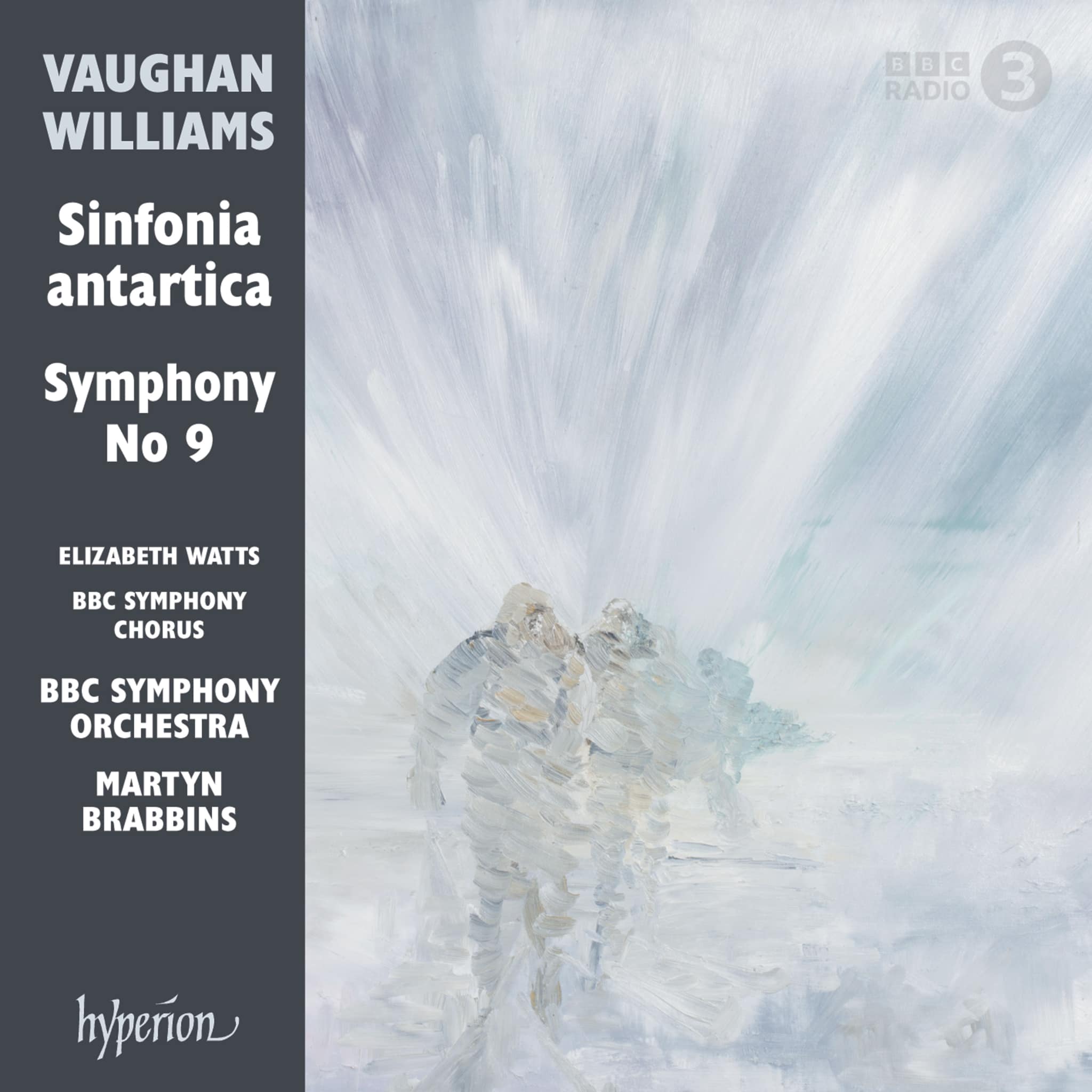





Ralph Vaughan Williams When Robert Falcon Scott's failed expedition took place in 1912, Ralph Vaughan Williams was already forty years old. Two decades later, he set to music the tragedy of humanity's struggle against nature in his one-act opera 'Riders to the Sea'. From 1940 onward, the composer devoted himself to film music, writing for a total of eleven films, including one about Scott's final voyage. For this film, he composed an approximately 80-minute orchestral suite, the musical material of which later found its way into his 'Sinfonia antartica'.
The premiere of his Sixth Symphony immediately garnered worldwide attention. Inspired by Scott's tragic fate, Vaughan Williams created compositions full of thematic depth and dramatic development. With the 'Sinfonia antartica', his next symphonic work, he powerfully explored the theme of human daring and failure. Although the film for which the music was originally composed is now largely forgotten, his orchestral works are gaining increasing recognition and are considered masterpieces.
In his Ninth Symphony, which Vaughan Williams saw as his personal farewell, his predilection for distinctive orchestral colors is reflected, as well as a retrospective of his life. Although he died before its premiere, later generations were able to appreciate the rich musical legacy of this important composer and imagine how his other unfinished works might have sounded.