


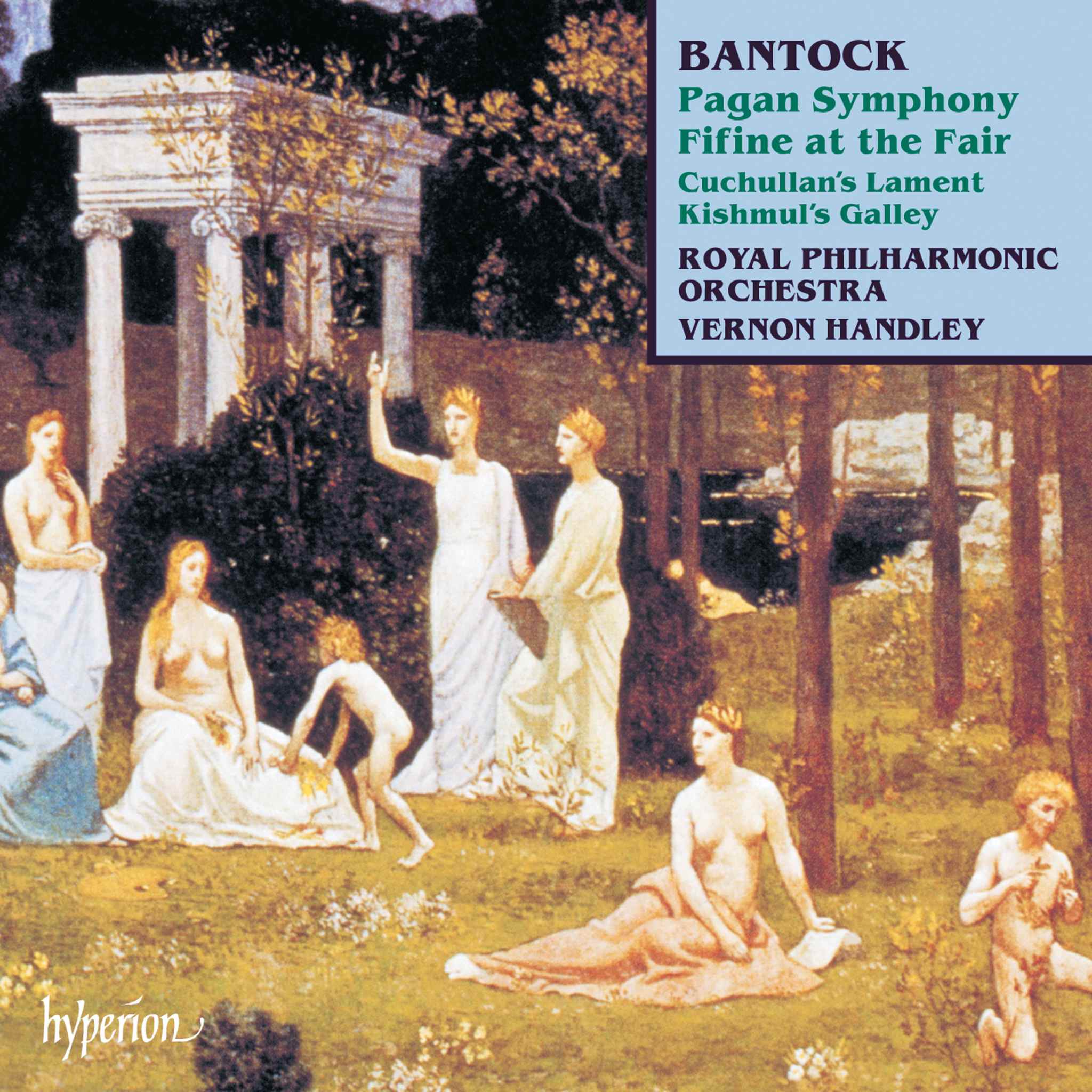

Dynamik. Während Im späten 19. und frühen 20. Jahrhundert erlebte die britische Musikwissenschaft eine Phase großer Dynamik. Während dieser Zeit entwickelte sich ein spezielles englisches Musikrepertoire, das durch irische und schottische Traditionen sowie die walische Landschaft geprägt wurde. Besonders Edward Elgar und Granville Bantock beeinflussten diese Epoche maßgeblich. Bantock gilt nicht nur als herausragender Komponist mit individueller Handschrift, sondern engagierte sich auch als Dirigent und Förderer anderer Musiker.
Trotz des Wunsches seiner Eltern, er solle in Indien arbeiten oder Chemieingenieur werden, entschied sich Bantock früh für eine musikalische Laufbahn. Sein persönlicher Stil und seine künstlerische Unabhängigkeit machten ihn zu einer markanten Erscheinung. Seine bedeutendsten Werke, wie die monumentale Vertonung von 'Omar Khayyam' und zahlreiche Orchesterstücke, verdeutlichen seine kreative Ausdruckskraft.
Nach dem Ersten Weltkrieg betrachtete die nachfolgende Komponistengeneration Bantocks Musik zunehmend als überholt. Auch wenn einige seiner Werke weiterhin erfolgreich waren und er Unterstützung durch Persönlichkeiten wie Cyril Neil erfuhr, verdrängte die Avantgarde seinen Stil allmählich. Die Aufführungen seiner Kompositionen nahmen ab und sein Bekanntheitsgrad ließ nach.
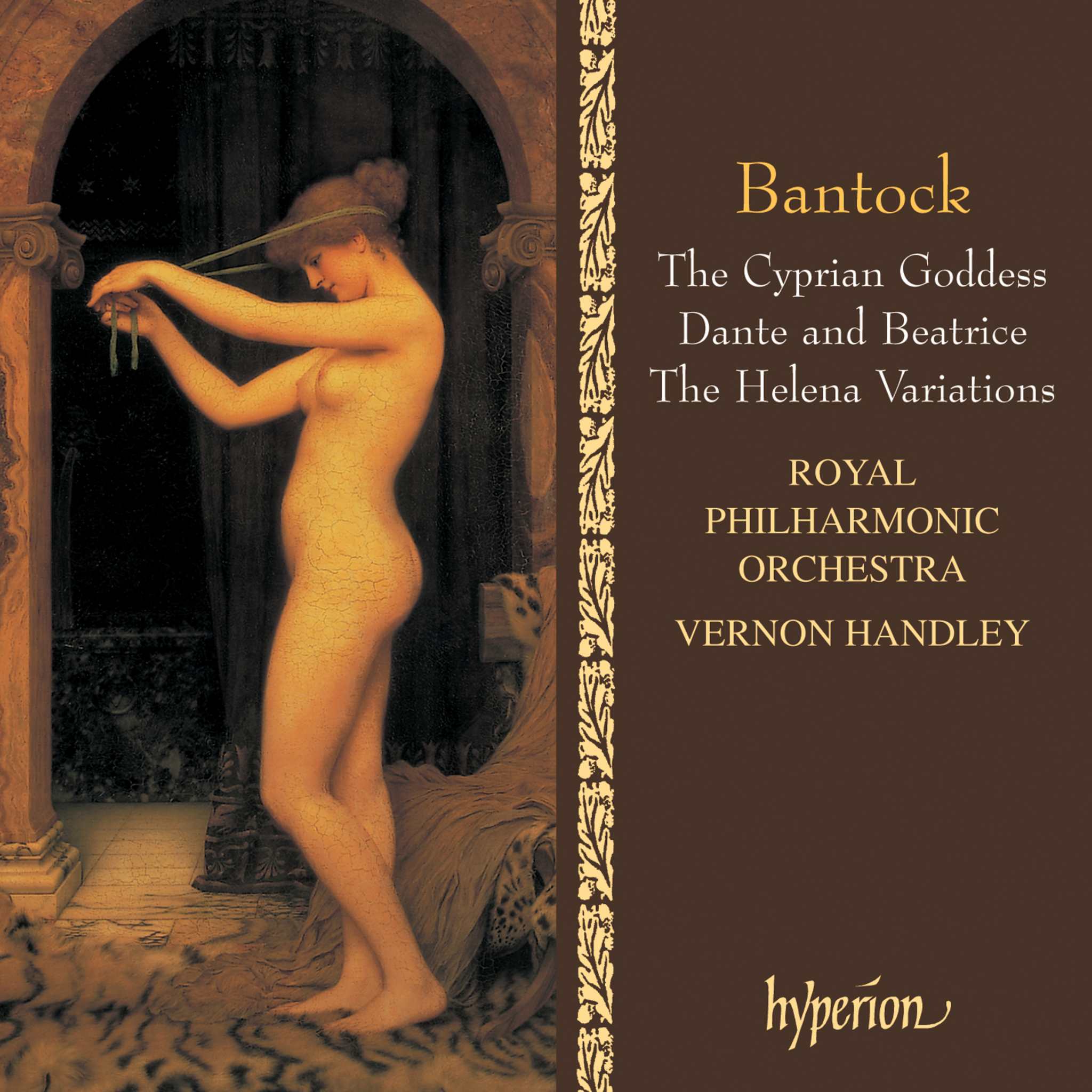
Durch zahlreiche Reisen ließ sich Bantock von unterschiedlichen Kulturen inspirieren. Seine Vielseitigkeit zeigte sich auch in seinen Sprachstudien, während seine Musik häufig kulturelle Einflüsse widerspiegelte. Die dritte Sinfonie 'The Cyprian Goddess' etwa steht exemplarisch für seine künstlerische Vitalität und die thematische Verbindung von Liebe und Schönheit.
Bantocks Kompositionen zeichnen sich durch komplexe Strukturen und erzählerische Elemente aus. Seine Leidenschaft für Kunst und die Welt spiegelte sich in exotischen, oft filmisch wirkenden Klanglandschaften wider, durch die er verschiedene Kulturen und Emotionen musikalisch erlebbar machte.