
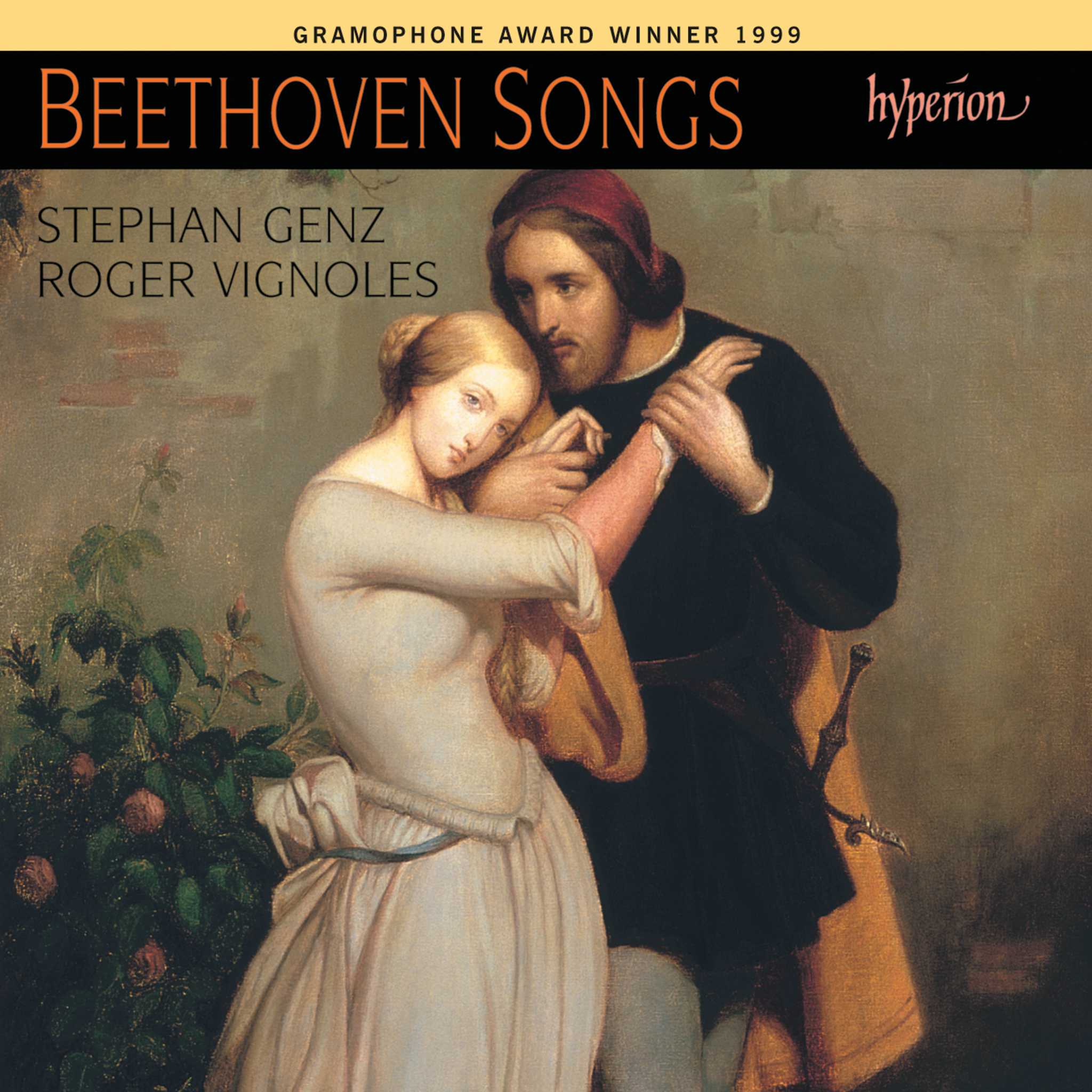



Music History. Ludwig van Beethoven is considered one of the most outstanding figures in Western music history. Within three decades, the Bonn-born composer reached a musical level unmatched by his contemporaries. He demonstrated his mastery particularly in classical genres such as the symphony, concerto, string quartet, and piano sonata. Beethoven favored expressive, flexible forms that often arose from an inner musical drama.
For him, music represented a universe of unlimited possibilities, unbound by words. Nevertheless, he occasionally used sung texts to express central themes such as human interconnectedness, freedom, and divine goodness. Personal experiences, especially those involving unrequited love, are also reflected in his work. Although Beethoven also composed art songs, his full genius was revealed primarily in his instrumental works.
Although he wrote approximately eighty songs, mostly with German texts, Beethoven was not a particularly ardent proponent of sung poetry. Unlike Franz Schubert, known for his lyrical connection to nature, Beethoven was more fascinated by the orchestral and frequently drew on symphonic themes. While he occasionally adhered to fixed song structures, the through-composed form offered him greater artistic freedom to combine different styles.
The challenge of creating emotional songs stemmed from his desire to musically express his deepest feelings, even though his songs were rarely performed publicly during his lifetime. Despite the difficulties inherent in song composition, Beethoven revealed a different facet of his creative output here, one that exhibits a certain imbalance compared to other areas.