





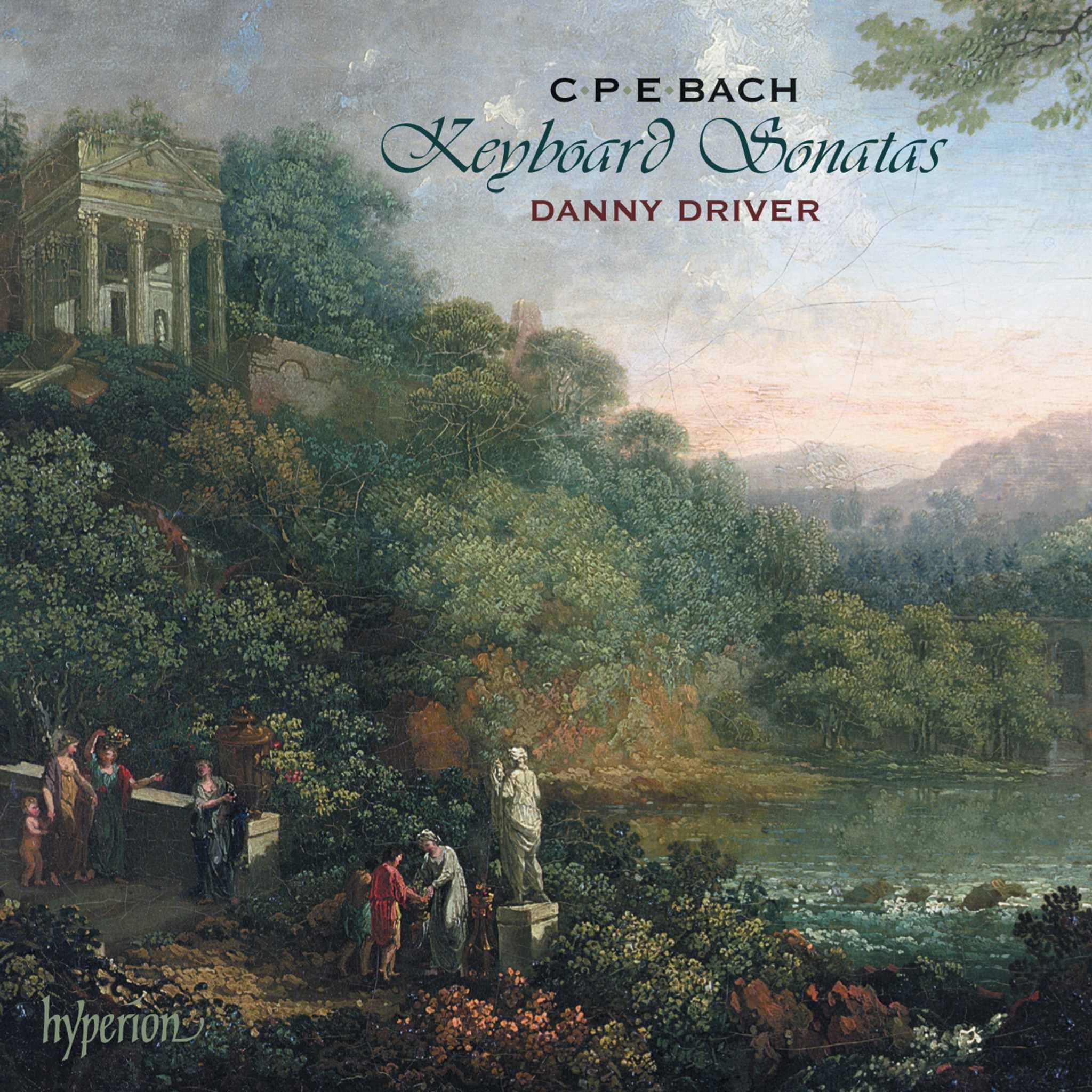
Musical Tradition. Artists. During significant historical shifts, composers created some of the most exciting works in the Western musical tradition. Artists who worked at these crossroads were often considered mavericks, rebels, and innovators, as they rejected established stylistic conventions and strove for alternative modes of expression. Carl Philipp Emanuel Bach is one of these iconoclastic figures; he consciously turned away from Baroque ideals and instead sought to connect with the Romantic expressive diversity of the 19th century.
Bach's music reflects a tireless exploration of stylistic boundaries. Characteristic is the interplay between introspection and passionate outbursts, between pointed motifs and surprising melodic and harmonic turns. Humor and depth permeate his works, which simultaneously reveal echoes of his roots and pronounced contrapuntal structures.
His boldest compositions include his early pieces in the Empfindsamkeit style, while later works exhibit Neoclassical features. By combining classical elements with characteristics of his earlier creative periods, Bach created distinctive and significant works.
In 1738, Carl Philipp Emanuel Bach, son of Johann Sebastian Bach, entered the service of Frederick II of Prussia. The Prussian king showed little appreciation for Bach's experimental style, yet Bach composed over 300 works for keyboard instruments, which impressively document his musical development.
The works presented on this recording come from different creative periods and range from early to late compositions. They illustrate Bach's stylistic diversity and the continuous development of his musical style.
The Fantasia in F-sharp minor, Bach's last completed work, impressively demonstrates his ability to improvise. Here, he unites contrasting sections with varying tempi and timbres into a remarkable artistic whole, which can be considered the pinnacle of his creativity.