


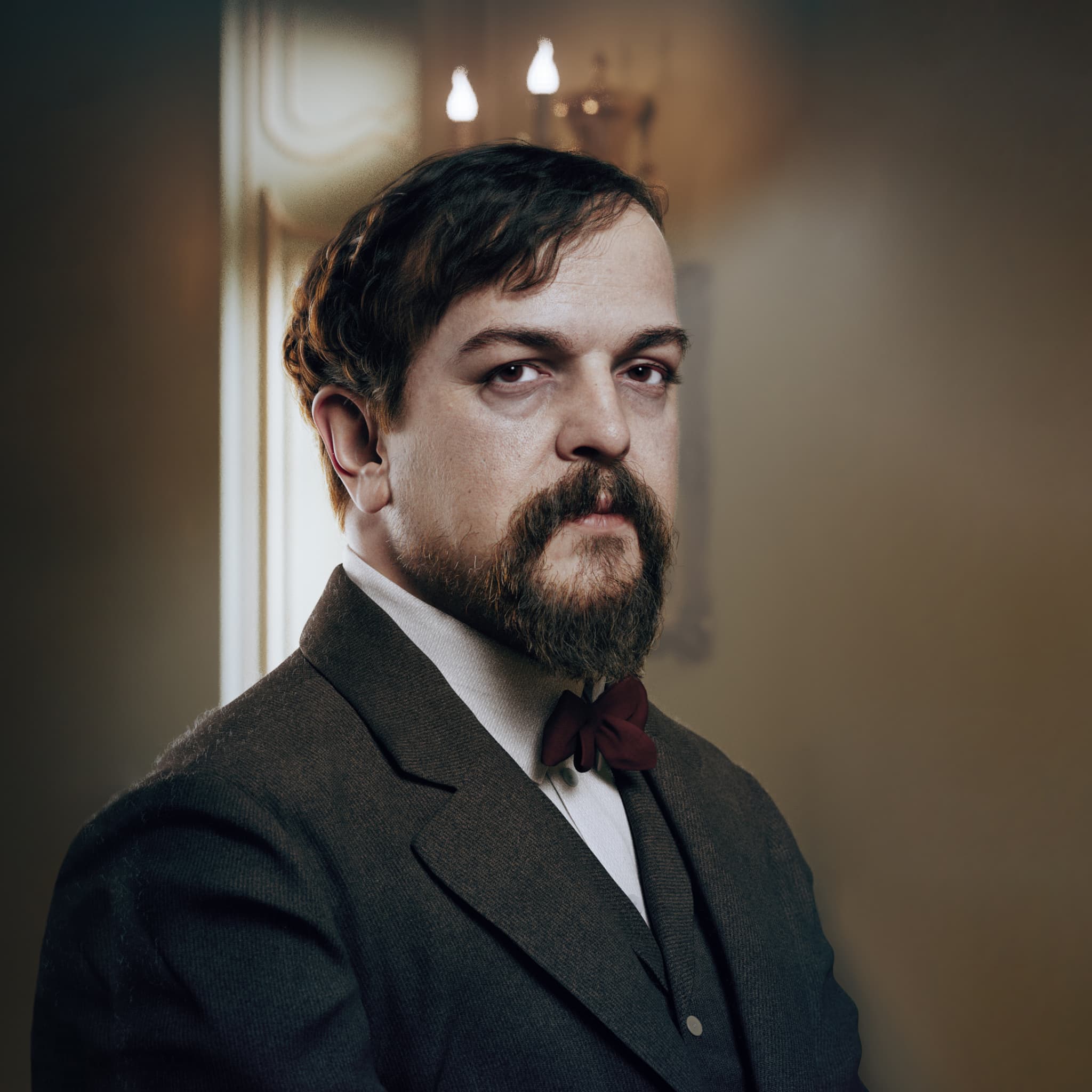



Claude Debussy published no works in his youth. His first surviving piece, a song, was composed at the age of 17; a piano work followed the next year. During his time in Florence, where he was working for Tchaikovsky's patroness, he sent this piano piece to the famous composer. Nevertheless, the work was not published until 14 years after Debussy's death.
In the 1880s, he concentrated primarily on vocal music before later returning to the piano with renewed vigor. He did publish some of his compositions, although he later regretted it; nevertheless, they possessed a special charm. Debussy masterfully wove melodic lines and ornamental elements. His works reflect the influences of his favorite composers.
Although the "Rêverie" was considered inferior, it was nevertheless published. The piano piece "Nocturne" revealed greater musical depth. Works like "Images" and "Children's Corner" also arose from personal connection; Debussy dedicated them to the daughter of a friend.
Among his other works is "Morceau de concours," published in 1905. "The Little Nigar" was composed around the same time. During the First World War, Debussy composed pieces such as "Page d'album" and "Élégie" for charitable causes. His last piano work, "Les soirs illuminés par l'ardeur du charbon," was only discovered long after his death.