





Die französische Kunstliedtradition, bekannt als mélodie, entwickelte sich zwischen 1870 und 1914 zu einer der experimentellsten Kunstformen ihrer Zeit. Während dieser Periode entstanden zahlreiche Klavierwerke von hohem künstlerischem Wert, wobei viele Komponisten im Schatten der bekannteren Meister standen. Nach dem Eindruck der französischen Revolution bildete sich 1871 die Société nationale de musique, um heimisches Musikschaffen zu fördern und der deutschen musikalischen Dominanz entgegenzuwirken.
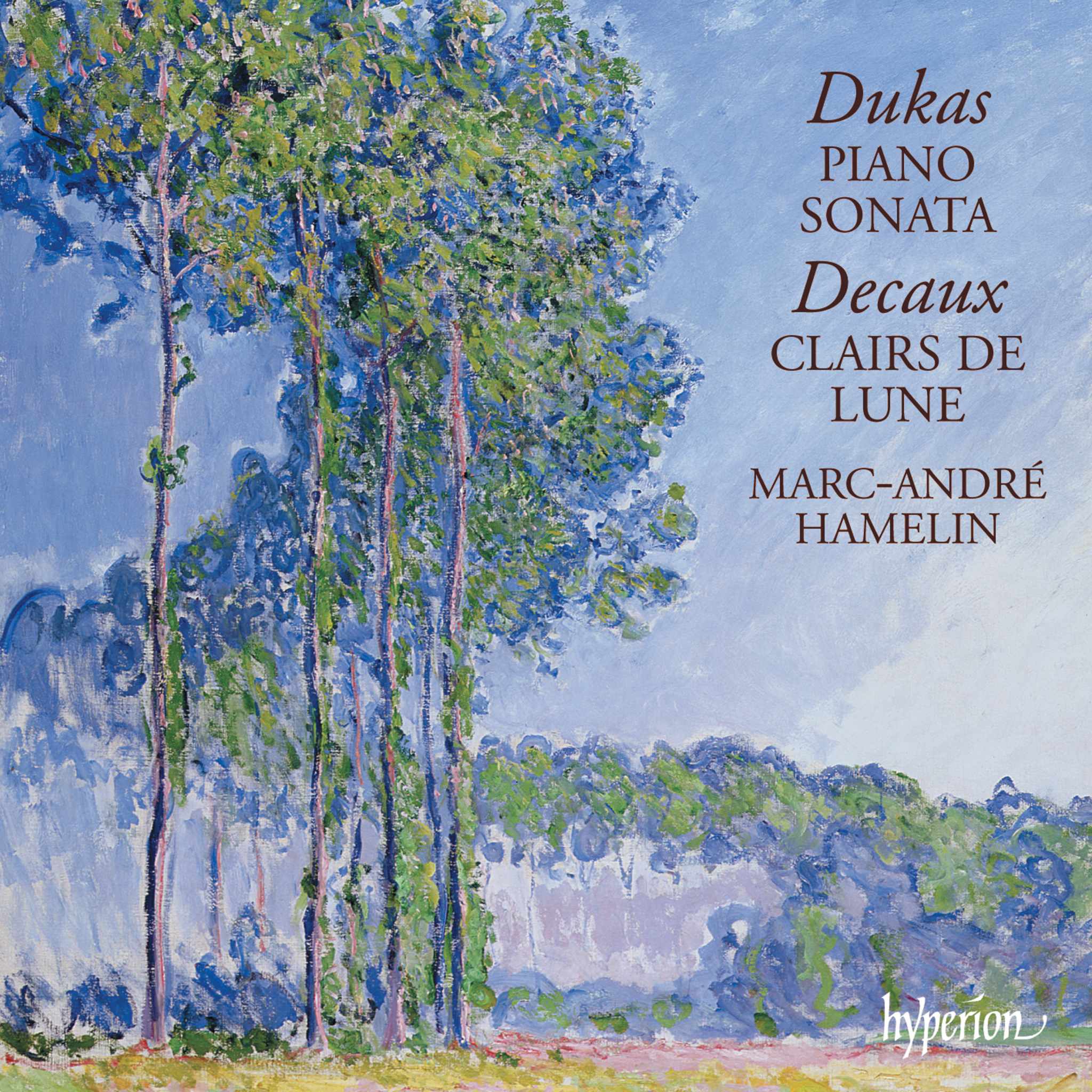
Bemerkenswert ist, dass renommierte französische Tonschöpfer die Klaviersonate weitgehend mieden. Erst um 1900 wagte Dukas den Schritt zur Komposition einer solchen, was nachfolgenden Generationen neue Wege eröffnete. Seine 1901 mit Begeisterung aufgenommene Sonate entfaltet in jedem Satz musikalische Gedanken von ängstlicher Chromatik bis zu virtuosen Passagen und behauptet sich mutig in der französischen Musiklandschaft.
Im Gegensatz zu Dukas' traditionellerem Ansatz schuf Abel Decaux zwischen 1900 und 1907 mit "Clairs de lune" eine Reihe außergewöhnlicher Stücke, die erst 1913 veröffentlicht wurden. Seine harmonischen und melodischen Neuerungen schufen eine einzigartige Klangwelt jenseits konventioneller Tonalität. Durch Vermeidung klassischer Dur- und Mollstrukturen und Einsatz ungewöhnlicher Harmonien erschuf Decaux eine faszinierende Klanglandschaft, die Parallelen zu späteren Werken von Schönberg und Messiaen aufweist - ein bedeutsames, wenn auch oft übersehenes Kapitel französischer Musikgeschichte.