
Skip to content
Dvořák & Schumann: Piano Concertos

Dvořák & Schumann: Piano Concertos

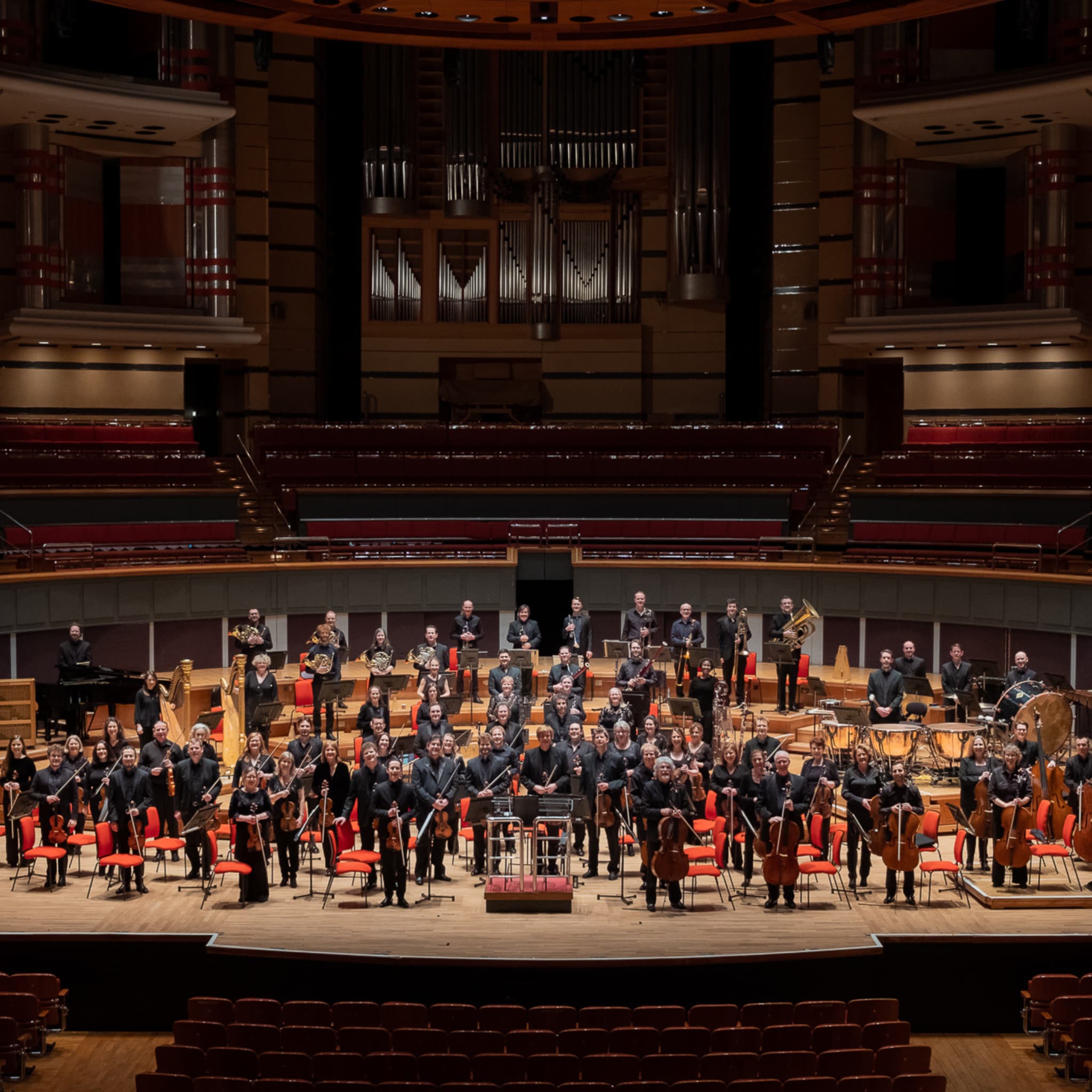
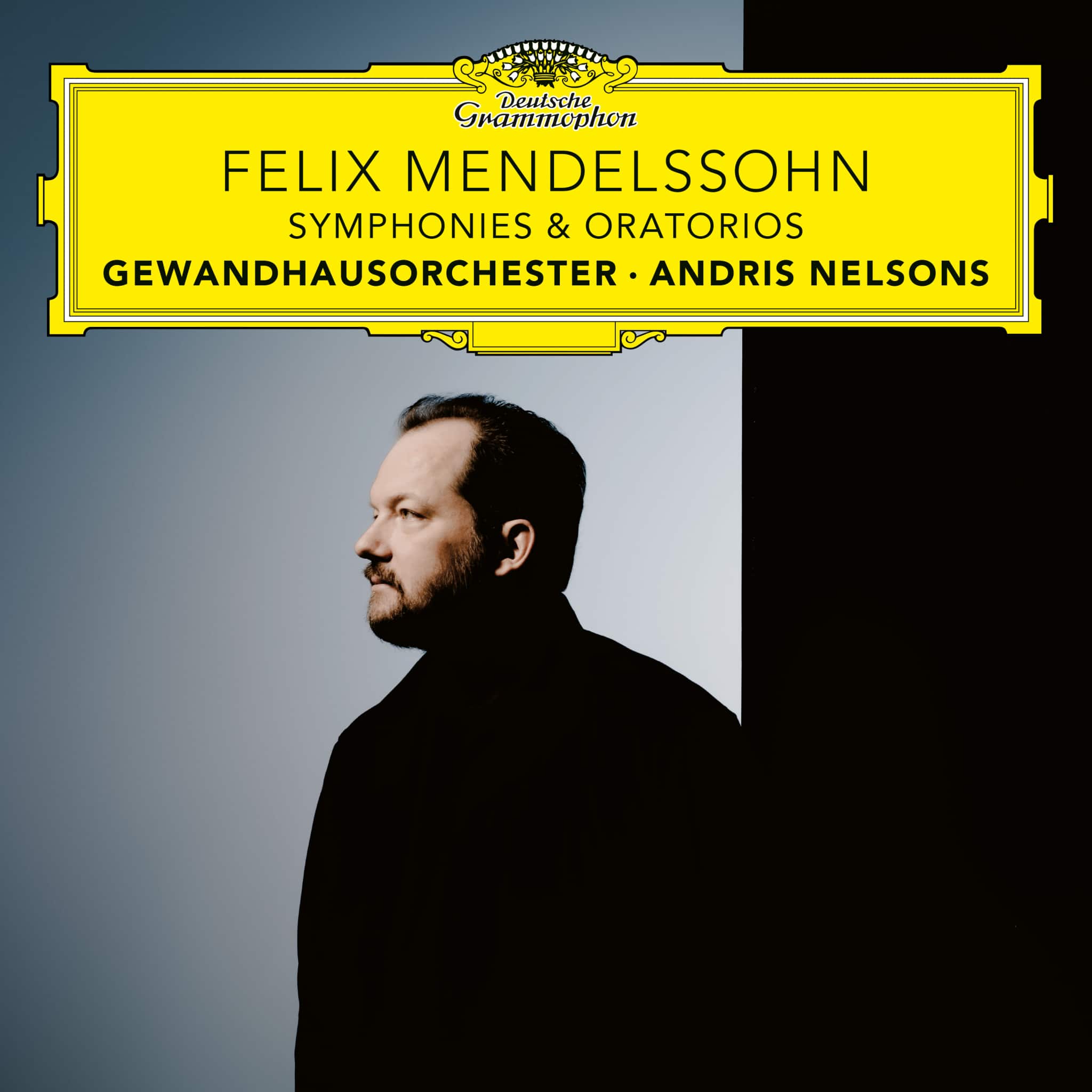
Stephen Hough, City Of Birmingham Symphony Orchestra, Andris Nelsons

Duration74 Min

Schumann and Dvořák, two important composers, initially appear very different. The mentally troubled Schumann, who ended up in a psychiatric hospital, stands in stark contrast to Dvořák, a jovial railway enthusiast and pigeon lover with a happy family life. Yet, they share a surprising number of similarities. Parallels are particularly evident in their piano concertos. Both works were composed around their composer's 35th birthday and treat the piano and orchestra as equal partners. Brahms acted as a mediator between the two composers, supporting both in their careers.

For both Schumann and Dvořák, concertos should represent significant musical statements, not merely provide platforms for soloists while the orchestra remains in the background. Schumann insisted on valuing the orchestral passages, which he considered equal to the piano. After numerous attempts, his genius finally revealed itself in his Piano Concerto. His wife Clara urged him to compose for orchestra, resulting in the Piano Concerto in A minor, Op. 54. Clara performed the work with great success at its premiere.

Dvořák's concerto had a complex genesis, but ultimately became a highly successful piano concerto. Initially, experts criticized the piano writing, but the work eventually gained immense popularity through its wonderful melodies and vibrant character. Brahms, too, recognized the wealth of ideas in Dvořák's music and praised him for it. Compared to Schumann's work, the Dvořák Quintet is more lyrical and incorporates folk-like elements in several movements—quintessentially Dvořák.

Both composers created outstanding works with their piano concertos, which continue to be admired and performed today. Their compositions exemplify musical depth, emotional power, and the inspiring connection between soloist and orchestra.