
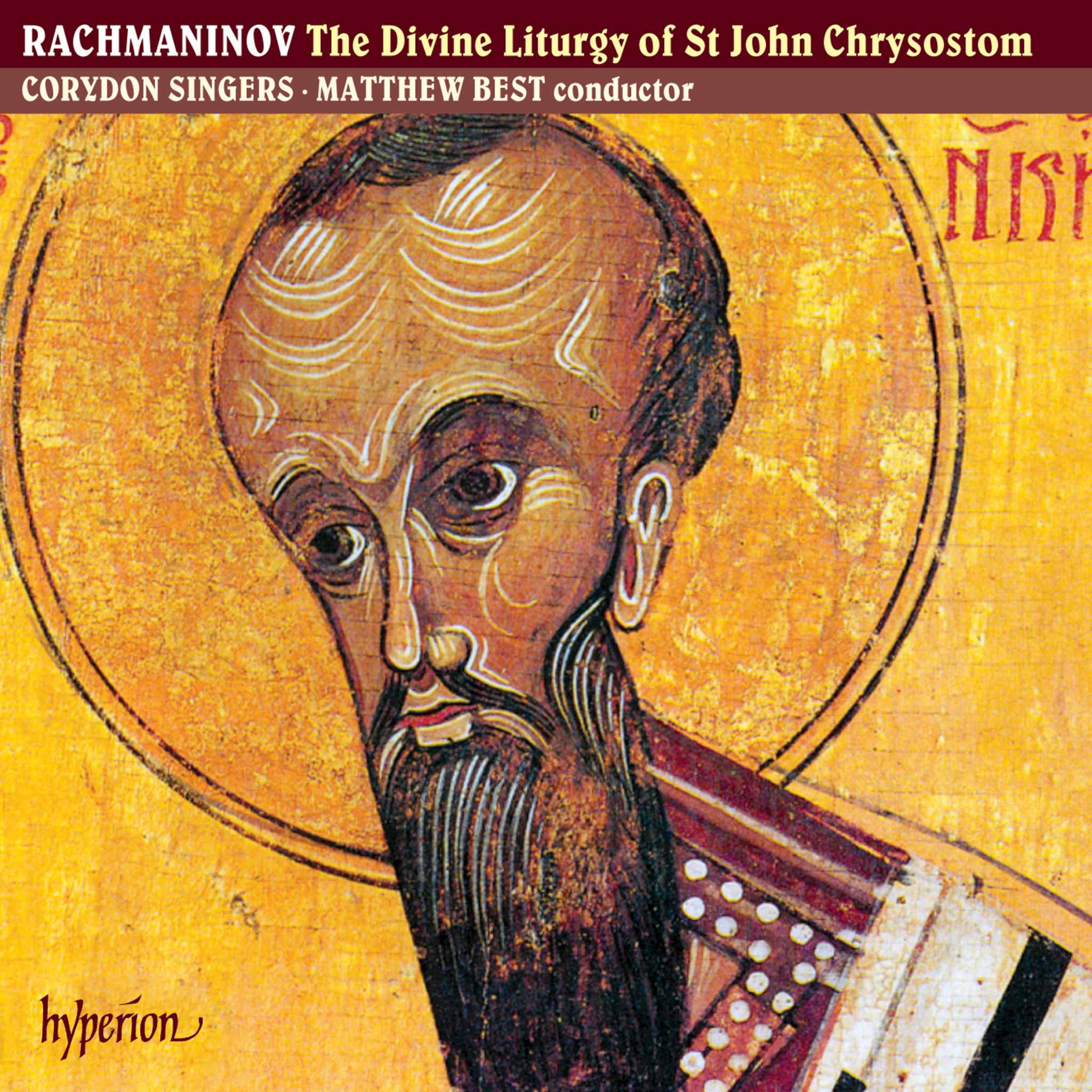



In the Orthodox Church, the term "liturgy" refers to the divine service with the Eucharist, comparable to the Western Mass. Currently, four liturgical forms are observed in the East: The Liturgy of John Chrysostom is celebrated on Sundays and weekdays, while that of Basil the Great is celebrated only ten times a year. On the Feast of St. James, the Liturgy of St. James is celebrated, and during Lent, the Liturgy of the Presanctified Gifts is celebrated. All these forms are musical and similar in structure to the Western Mass. The Sunday service usually lasts between one and a half and two and a half hours, which is why Orthodox services are known for their length. The Liturgy of John Chrysostom includes elements such as the Introit, Epistle, Alleluia, Gospel, Creed, Lord's Prayer, and Sanctus.
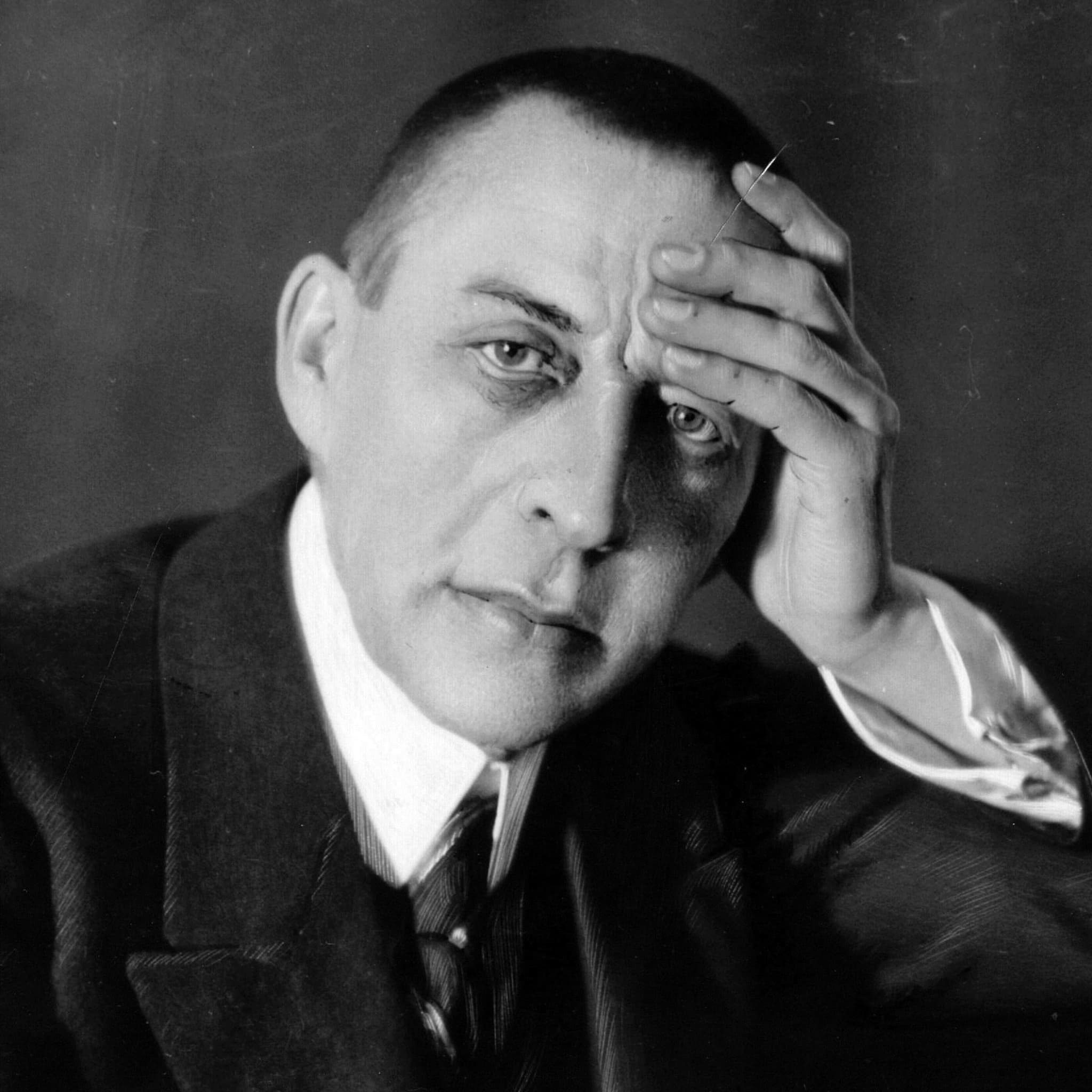
... At the beginning of the 20th century, Russian church music strove to break free from foreign influences and return to the old Russian church chants. The Moscow Synodal School played a particularly significant role in this. Rachmaninoff's Liturgy, composed in 1910 even before his famous Night Watch, clearly shows Kastalsky's influence. Interest in Russian sacred music was rekindled by Tchaikovsky's works and also made a lasting impression on Rachmaninoff. The Liturgy premiered in 1910 but was criticized for its "modernist spirit." The rich choral sound and the particularly orchestral treatment of the choir remain impressive to this day, as does the sensitivity to liturgical form. Despite its high technical demands, the composition remains true to the requirements of the liturgy. Rachmaninoff hoped that his Liturgy would achieve widespread recognition, similar to that of the Vigil.
Rachmaninoff lived in a time of profound spiritual and musical transformation. His liturgy was composed approximately seven years before the Russian Revolution. The work is not only valued in Russia, but to this day represents the close connection to the Orthodox tradition.