
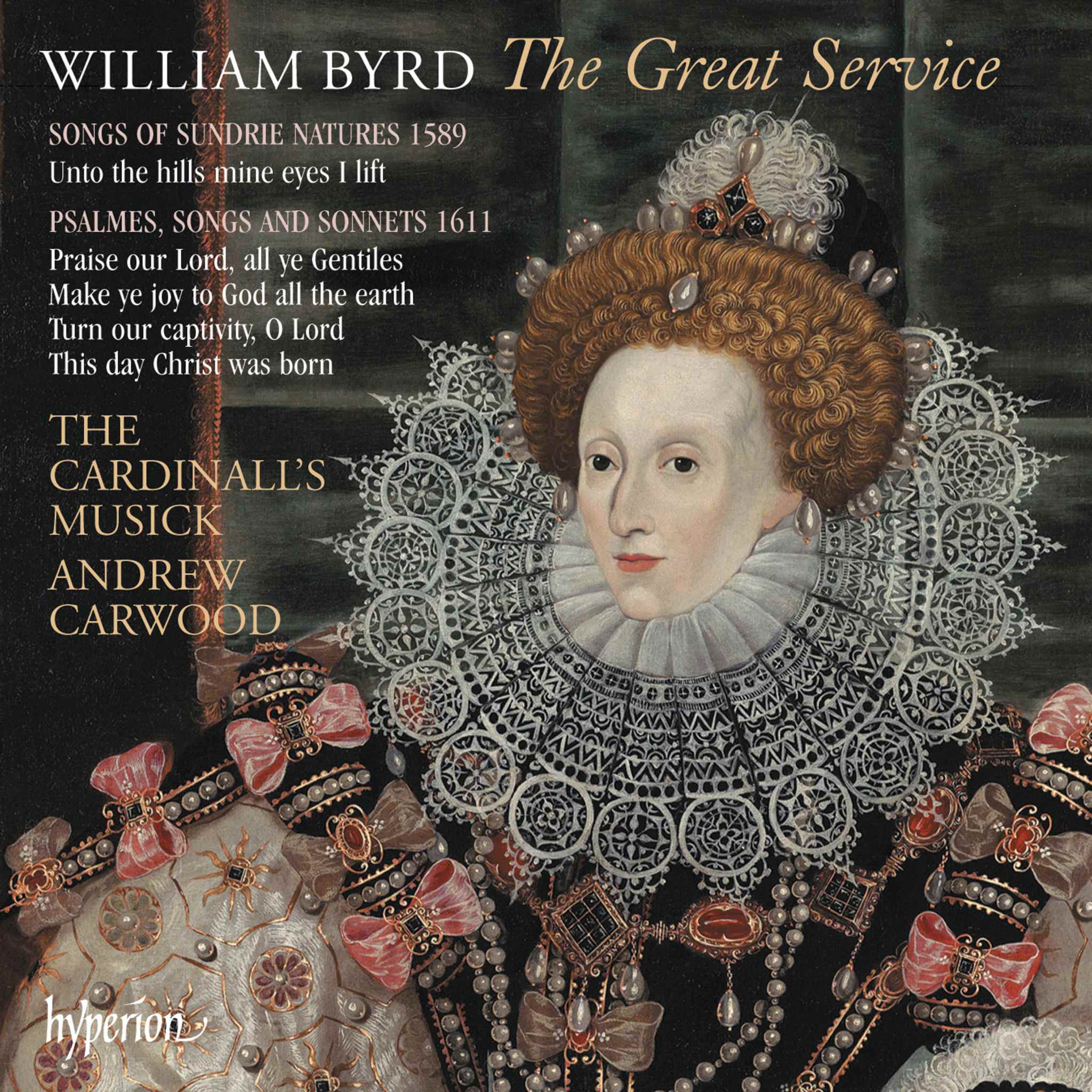




William Byrd, ein Komponist mit katholischen Wurzeln, schuf entgegen gängiger Annahmen wenig Musik für die anglikanische Kirche unter Elisabeth I. Seine anglikanischen Kompositionen entstanden vorwiegend während seiner Tätigkeit als Organist in Lincoln. Byrd komponierte drei verschiedene Gottesdienste: den Short, Second und Third Service, die den zeitgenössischen Anforderungen entsprachen. Mit dem Great Service vollzog er einen bedeutenden Entwicklungssprung, gekennzeichnet durch komplexe Stimmenwechsel, einen beeindruckenden Stil und dramatische Elemente - vermutlich nicht für Lincoln konzipiert. Die 1580er Jahre waren für England eine Zeit politischer Unruhe, geprägt von anti-katholischer Gesetzgebung und Druck aus dem Ausland.
In Harlington geriet Byrd mit dem Gesetz in Konflikt, besonders im Zusammenhang mit der Throckmorton-Verschwörung von 1583. Trotz dieser rechtlichen Schwierigkeiten erwies sich dieses Jahrzehnt als künstlerisch äußerst produktiv. Er veröffentlichte zwei Sammlungen geistlicher Musik und schuf zahlreiche Consort-Werke. Der Tod seines Mentors Thomas Tallis könnte Byrd zu vermehrten Publikationen inspiriert haben. Der Great Service, erst 1922 wiederentdeckt, spiegelt Byrds kompositorisches Können in einer turbulenten Epoche wider. Mit innovativen Ansätzen und vielschichtiger Stimmführung setzte er neue Standards für die englische Kirchenmusik.
Byrds geistliche Kompositionen zeichnen sich durch ihre Ausdruckskraft aus. Er integrierte Einflüsse früherer Komponisten und demonstrierte in seinen Werken eine ausgereifte Form der Wortmalerei. Seine Musik vermittelte sowohl tiefe Emotionen als auch Gelassenheit, vereinte Komplexität mit Intimität. Seine Werke, geschaffen sowohl für den häuslichen Gebrauch als auch für gottesdienstliche Zwecke, belegen seine Meisterschaft in der musikalischen Interpretation religiöser Texte.