
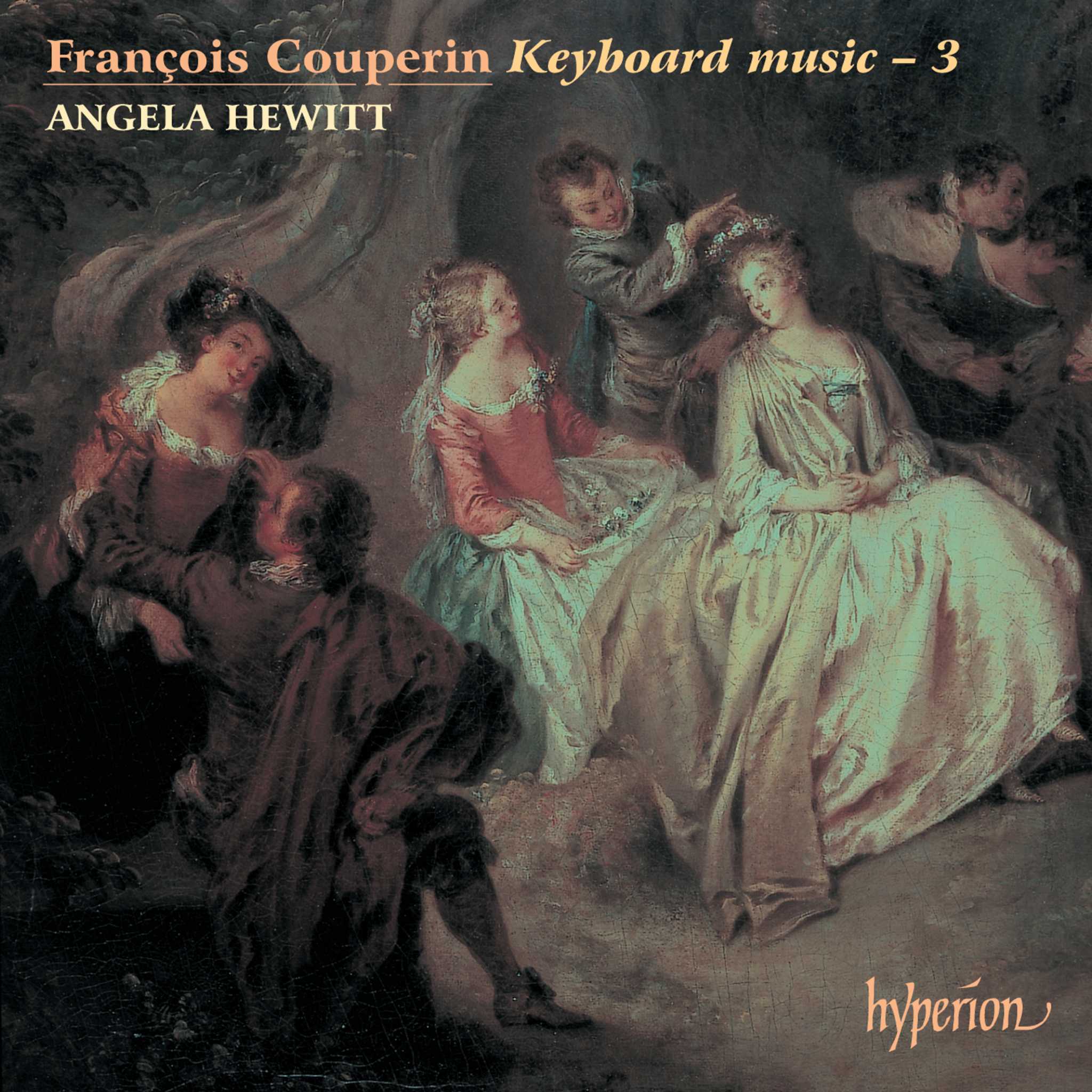




The third and final CD of selected harpsichord compositions by François Couperin includes the Treizième Ordre as well as works from the first three volumes of the Pièces de Clavecin. Couperin explicitly emphasized that his pieces should be interpreted precisely according to his instructions, particularly regarding the exact execution of the ornamentation. The Treizième Ordre is considered a prime example of Couperin's meticulous artistry and ranks among his most important groups of works. This suite is often associated with Philippe d'Orléans, who is known for his difficult regency in France.
The CD opens with tranquil pieces such as Les Lis naissans and Les Rozeaux, followed by L’engageante. In Les Folies françoises ou les Dominos, a masked ball with various characters is musically depicted, each figure appearing through its own unique variations. The Ordre concludes with L’âme en peine, a work characterized by sighing motifs and a tragic atmosphere. In contrast, the Quatorzième Ordre conveys a more vibrant mood, dominated by the lively key of D major.
The collection also presents various pieces that explore themes of birds or phases of love, such as Le Rossignol en amour and La Linote éfarouchée. La Mézangère from the Dixième Ordre and La Muse-Plantine from the Dixneuvième Ordre underscore Couperin's compositional skill with sophisticated refinement. The CD concludes with La Ménetou from the Septième Ordre, dedicated to Françoise Charlotte de Ménethoud, a talented musician who inspired a charming rondo.
Wilfrid Mellers characterizes Couperin's work as a microcosm of passionate tragedy, sophisticated worldliness, and sensual elegance. Couperin's aim was always to move his audience with his music, rather than merely to surprise them. Through his distinctive style and elegant expression, Couperin left a lasting impression on the musical landscape of his era.