
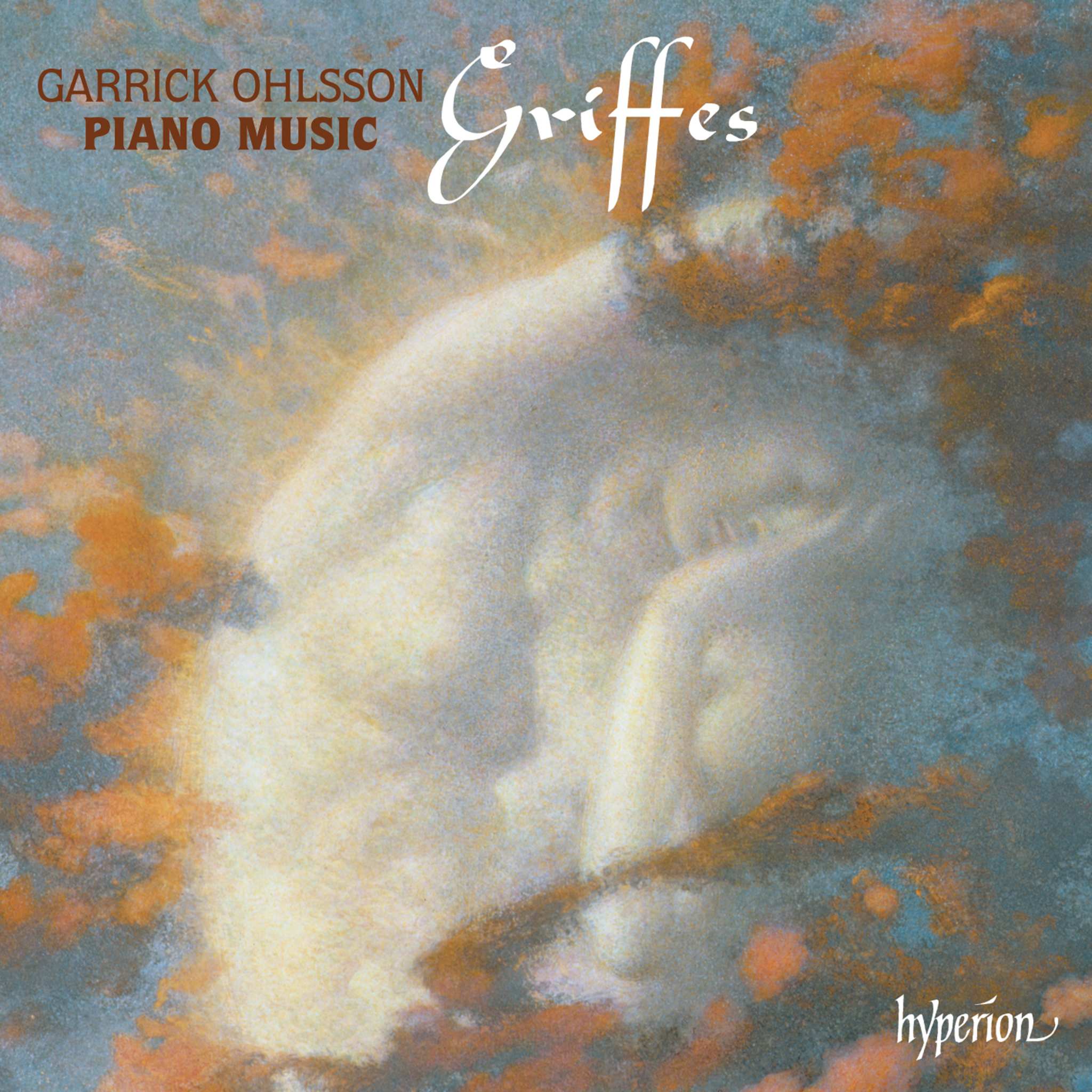





Charles Griffes zählt weiterhin zu den bedeutenden Namen der Musikgeschichte; seine Offenheit für weltweite musikalische Strömungen und seine künstlerische Neugier hinterließen ein bleibendes Erbe. Aaron Copland würdigte Griffes Jahre nach dessen Tod an der Harvard-Universität, indem er dessen möglichen Einfluss auf die amerikanische Musiklandschaft zwischen den Weltkriegen hervorhob – ein Einfluss, der durch Griffes' frühen Tod jedoch nicht voll entfaltet werden konnte.
Die kompositorische Entwicklung von Griffes wurde während seiner Zeit in Deutschland wesentlich von Begegnungen mit führenden Musikern geprägt. Sein Aufenthalt und Studium in Berlin formten seine individuelle melodische und harmonische Ausdrucksweise. Obwohl Griffes nur eine kurze Schaffensphase vergönnt war, schuf er zahlreiche technisch ausgereifte Werke, die sich unterschiedlichen stilistischen Epochen zuordnen lassen. Besonders die Klaviermusik spielte für ihn eine zentrale Rolle.
Griffes wuchs in einfachen Verhältnissen in Elmira, New York, auf. Sein musikalisches Talent wurde früh erkannt und durch externe Förderer wie Mary Selena Broughton unterstützt. Während seiner Studienzeit in Deutschland arbeitete er mit renommierten Lehrern und entwickelte sich künstlerisch weiter. Nach seiner Rückkehr in die Vereinigten Staaten veröffentlichte er seine Werke und erzielte zunächst nur begrenzte Erfolge, bis Arthur Farwell und später auch Busoni ihn unterstützten und seinen Durchbruch ermöglichten.
Mit Stücken wie den Tone-Pictures und Roman Sketches erregte Griffes Aufmerksamkeit; posthum wurden sie als bedeutende Kompositionen des 20. Jahrhunderts anerkannt. Seine Klaviersonate wurde anfangs unterschiedlich bewertet, setzte sich jedoch letztlich als eindrucksvolles Werk durch. Der plötzliche Tod Griffes im Alter von nur 35 Jahren im Jahr 1920 führte zu zahlreichen Spekulationen über sein unerfülltes Potenzial. Seine Klavierkompositionen werden heute als wichtiger Bestandteil des amerikanischen Musikschaffens gewürdigt.