





Rachmaninoff. Earlier. The current generation of pianists has largely moved away from the music in which the great pianists of the 20th century excelled. This shift in taste can be partly explained by the disappearance of 78 rpm records. These earlier "78" records had a limited recording time, which is why masters usually played only short pieces, unlike today's recitals, which often encompass entire sonatas or cycles. The structure of live concerts has also changed dramatically. Programs today are more complex and, despite their brevity, often seem longer than Rachmaninoff's balanced, carefully curated programs. Concert programs used to offer greater variety by presenting different composers or even the pianists' own compositions. This diversity is almost entirely lost in today's encores. A trend can be observed that places less value on lighter or more entertaining music, leading to prejudice and an exaggerated rejection of shorter pieces. This attitude hinders musical diversity, as works are not judged for their own merit but only in comparison to others. Such prejudices are also evident in the criticism leveled at artists like P. G. Wodehouse.
Although Gioacchino Rossini was not a pianist, he later composed remarkable piano pieces with technically demanding passages. These include the thrilling Petit Caprice in the style of Offenbach, featuring an impressive series of octave glissandi. Respighi orchestrated this piece for La boutique fantasque, but the original piano version is at least as captivating.
Mozart's Don Giovanni dates from 1787, while Ferruccio Busoni published his instructive piano exercise in the early 1920s. This work includes his transcription of Don Giovanni's serenade "Deh vieni alla finestra," in which the solo mandolin is imitated on the piano through skillful hand technique.
George Gershwin initially composed his orchestral works for piano and later orchestrated them. His last instrumental work is Promenade, originally written for the film Shall We Dance? (1936) starring Fred Astaire and Ginger Rogers.
Max Reger left behind a substantial body of work filled with complex instrumental pieces. His Opus 76 comprises sixty folk songs, including the popular Maria Lullaby, which he personally arranged for piano and published in 1924. Percy Grainger's few transcriptions stand alongside those of Liszt, Busoni, and Rachmaninoff. His piece Blithe Bells (1931) is a profound interpretation of Bach's Cantata No. 208.
Some of Wagner's late and short pieces captivate with their charm and elegance, such as the album leaf "In das Album der Fürstin M." From 1861. Ignacy Friedman, known primarily as a pianist, also composed, including the Six Viennese Dances "to themes by Eduard Gärtner." Although Anton Rubinstein's piano music is largely forgotten today, his Valse-caprice from 1870 is among his most impressive works.
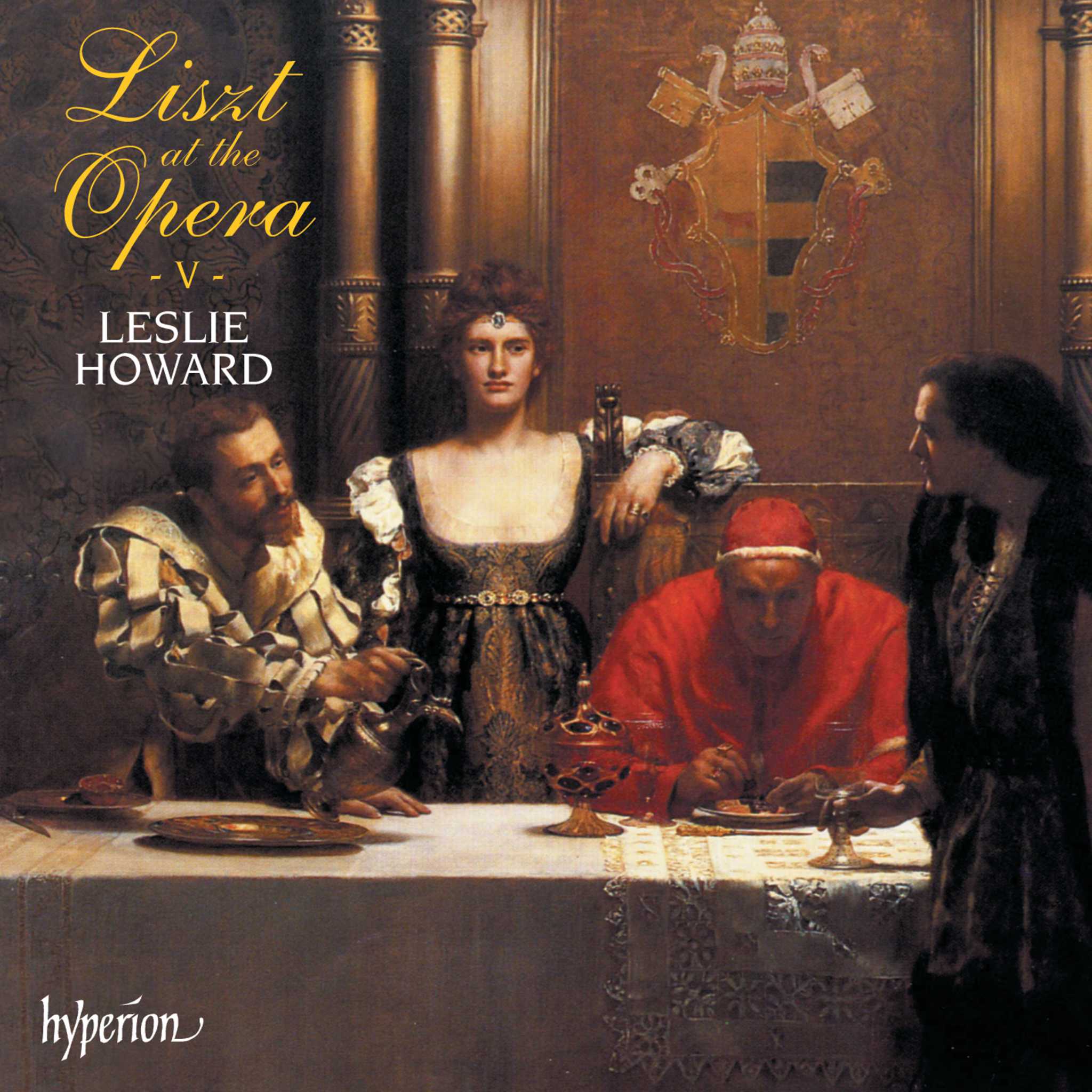
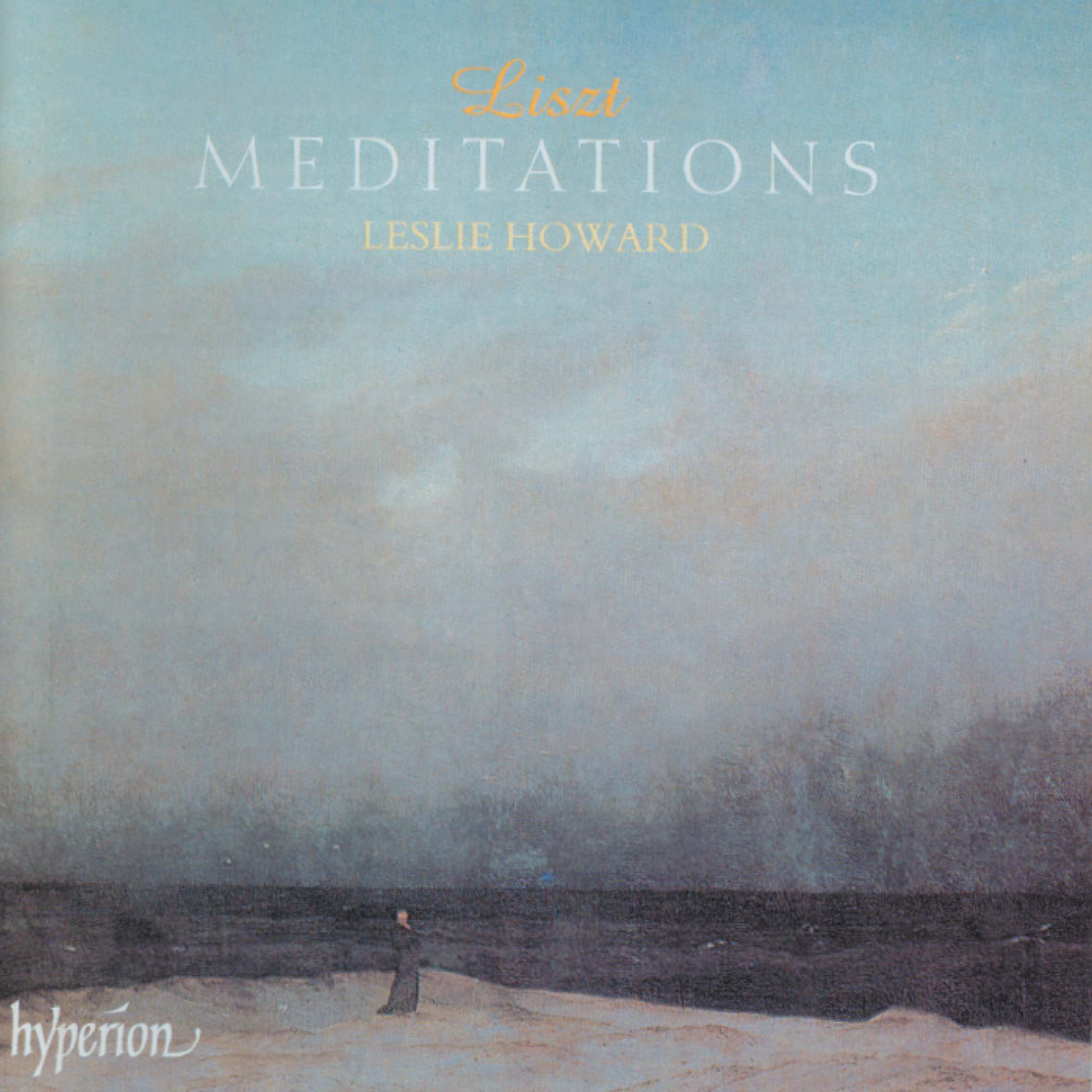
Grieg's "Ich liebe dich," Op. 41 No. 3, showcases an artful reworking of his own song, while Schubert's piano music was revived by Liszt. Bruckner's piano works offer insight into his compositional process, for example with the piece "Erinnerung," and Liszt's transcriptions of Schubert's dances are considered exquisite works of art. Liszt was not only an outstanding pianist but also a master of transcription.
Two newly recorded pieces, including Yuletide Pastoral from 1997, have been added as bonus tracks. Catalani's 1988 Réminiscences de l’opéra “La Wally” cleverly uses piano tones to create an operatic fantasy.