
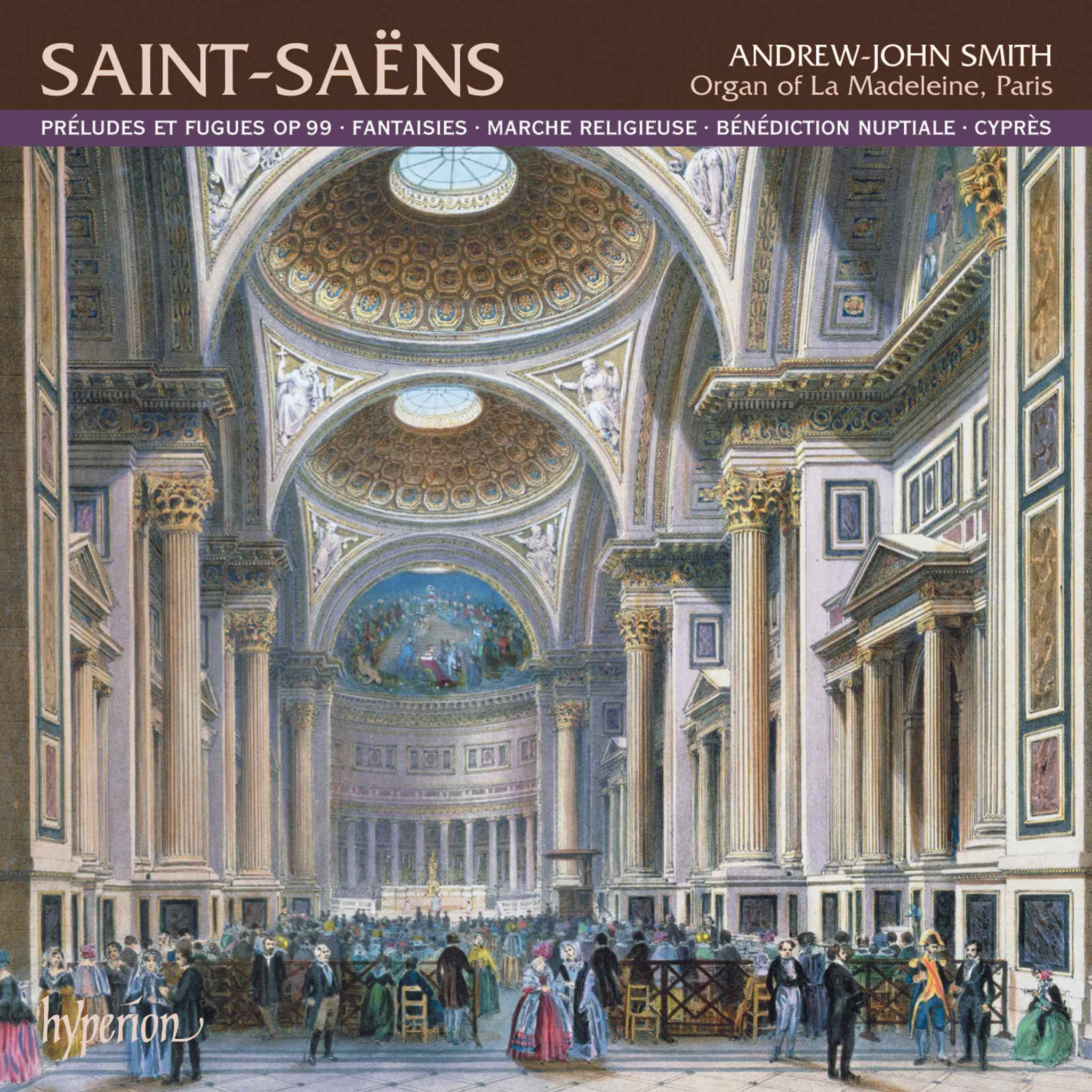
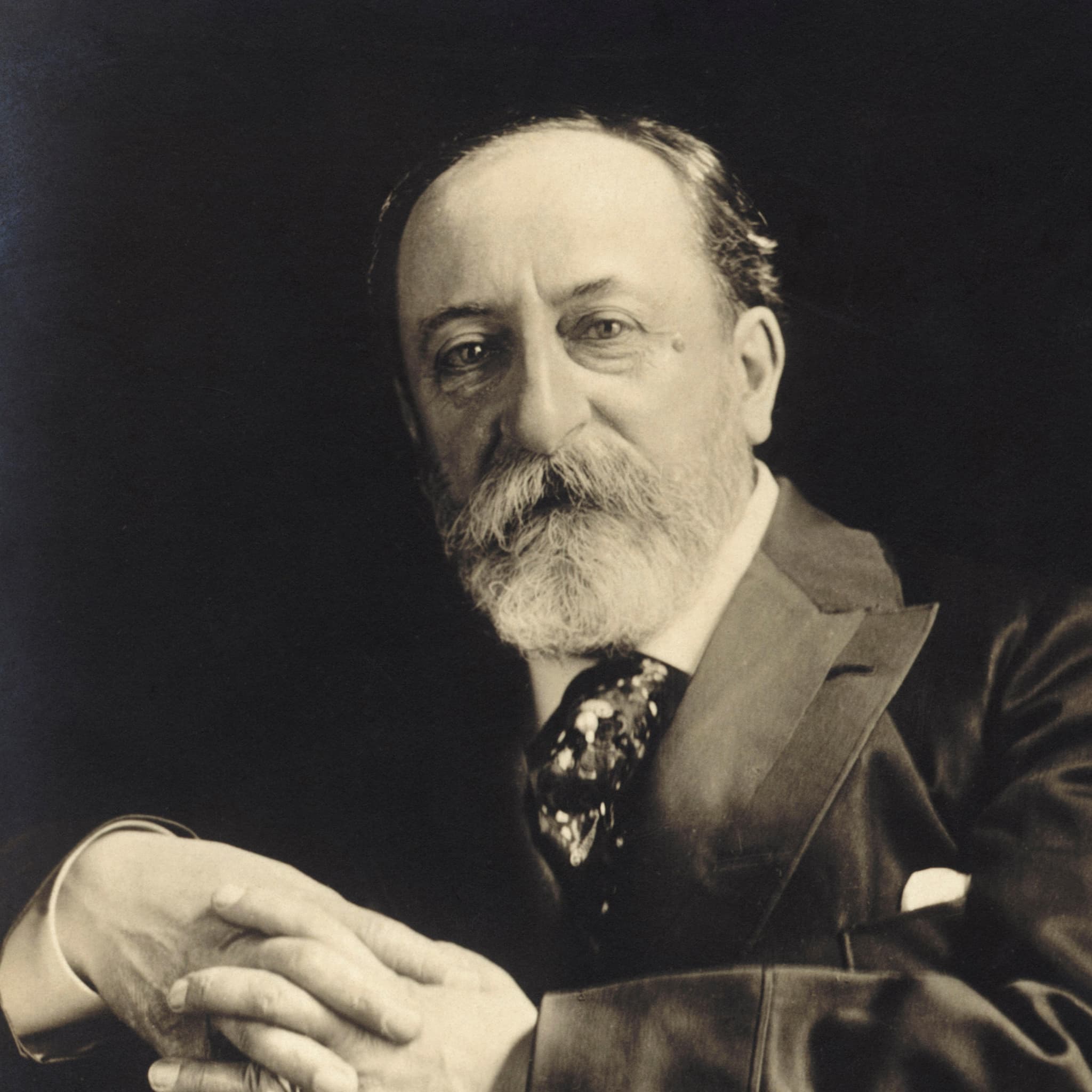

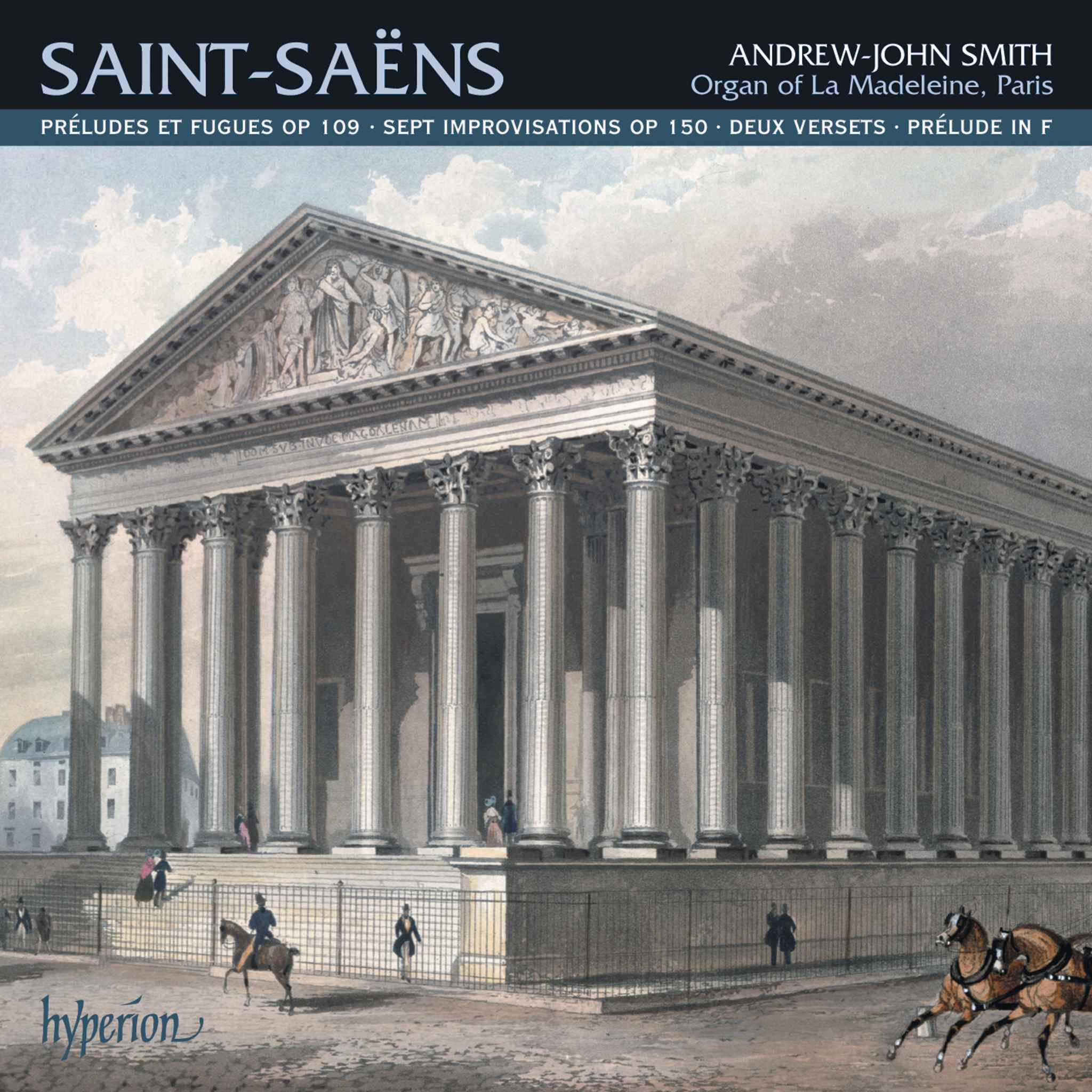

Der französische Pianist, Dirigent und Komponist Charles Camille Saint-Saëns kam am 9. Oktober 1835 in Paris zur Welt und verstarb am 16. Dezember 1921 in Algier. In seinem langen Leben erlebte er zahlreiche gesellschaftliche Wandlungen bis hin zum Ende des Ersten Weltkriegs. Seine musikalische Begabung zeigte sich außerordentlich früh - bereits mit sechs Jahren verfasste er erste Kompositionen und mit elf Jahren gab er sein erstes öffentliches Konzert in der Pariser Salle Pleyel. Viele seiner Zeitgenossen betrachteten ihn als neuen Mozart.
Seine Ausbildung erhielt Saint-Saëns am Pariser Konservatorium, wo er Klavier, Orgel und Komposition studierte. Mit nur 16 Jahren wurde er dort Student, nachdem er bereits mit 15 seine Sinfonie A-Dur komponiert hatte. Im Jahr 1852 übernahm er die Stelle als Organist an Saint-Séverin in Paris und begegnete Franz Liszt, der seinen musikalischen Werdegang nachhaltig prägen sollte. Sein Debüt als Komponist feierte er 1853 mit der Aufführung seiner ersten Sinfonie, gefolgt von seiner zweiten im Jahr 1857, die positive Kritiken erhielt.
Saint-Saëns erlangte besondere Bekanntheit durch seine "große zoologische Fantasie" Karneval der Tiere sowie die Oper Samson et Dalila. Trotz seiner vielseitigen Tätigkeiten als Pianist, Dirigent, Organist, Musikwissenschaftler und Musikpädagoge blieb er der romantischen Tradition verbunden. Seine Werke spiegeln sowohl klassische Grundsätze als auch innovative Elemente wider, wodurch er zu den bedeutendsten Komponisten seiner Zeit zählt.