Skip to content
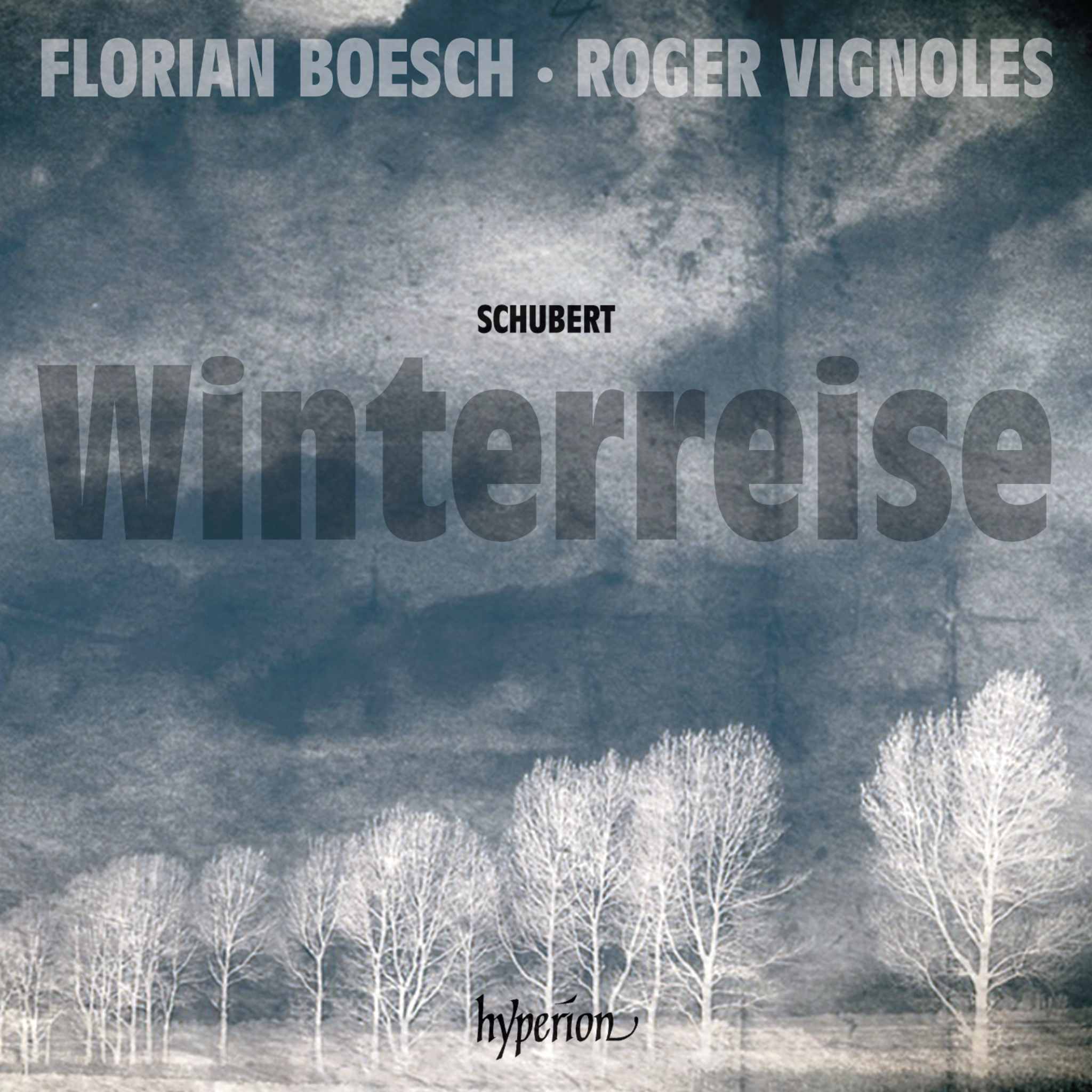
Schubert: Winterreise, D. 911

Schubert: Winterreise, D. 911

Florian Boesch, Roger Vignoles

Duration71 Min

According to the records of Josef von Spaun, a close friend of Schubert's who was nine years older than the composer and lived to be 77, Schubert fell into a deep depression at the beginning of 1827. When asked about his condition, he cryptically replied that everyone would soon understand. He had planned to perform some haunting songs for his friend Franz von Schober on March 4th, songs that moved him more deeply than his other compositions. However, Schubert was unable to keep the engagement. Later, he presented the song cycle "Winterreise," whose somber atmosphere astonished his friends. Initially, Schubert discovered 12 poems by Wilhelm Müller and believed this to be the complete collection. He later came across another 12 poems by Müller, which he added to the cycle. Although he did not follow Müller's original arrangement, Schubert created a remarkable composition. In "Winterreise," he avoided the pathos and tempestuous style of his earlier works, preferring instead simplicity and clarity. The cycle conveys a profound sense of hopelessness and despair. The music of "Winterreise" captivates with its poignant depiction of isolation and sorrow. The wanderer's inescapable reality is underscored by shifting major and minor tonalities. Each song expresses the protagonist's anguish and longing in a unique way, leading the listener through emotional depths. The extraordinary emotional depth and artistic elegance elevate "Winterreise" to a significant work in the history of classical music.