





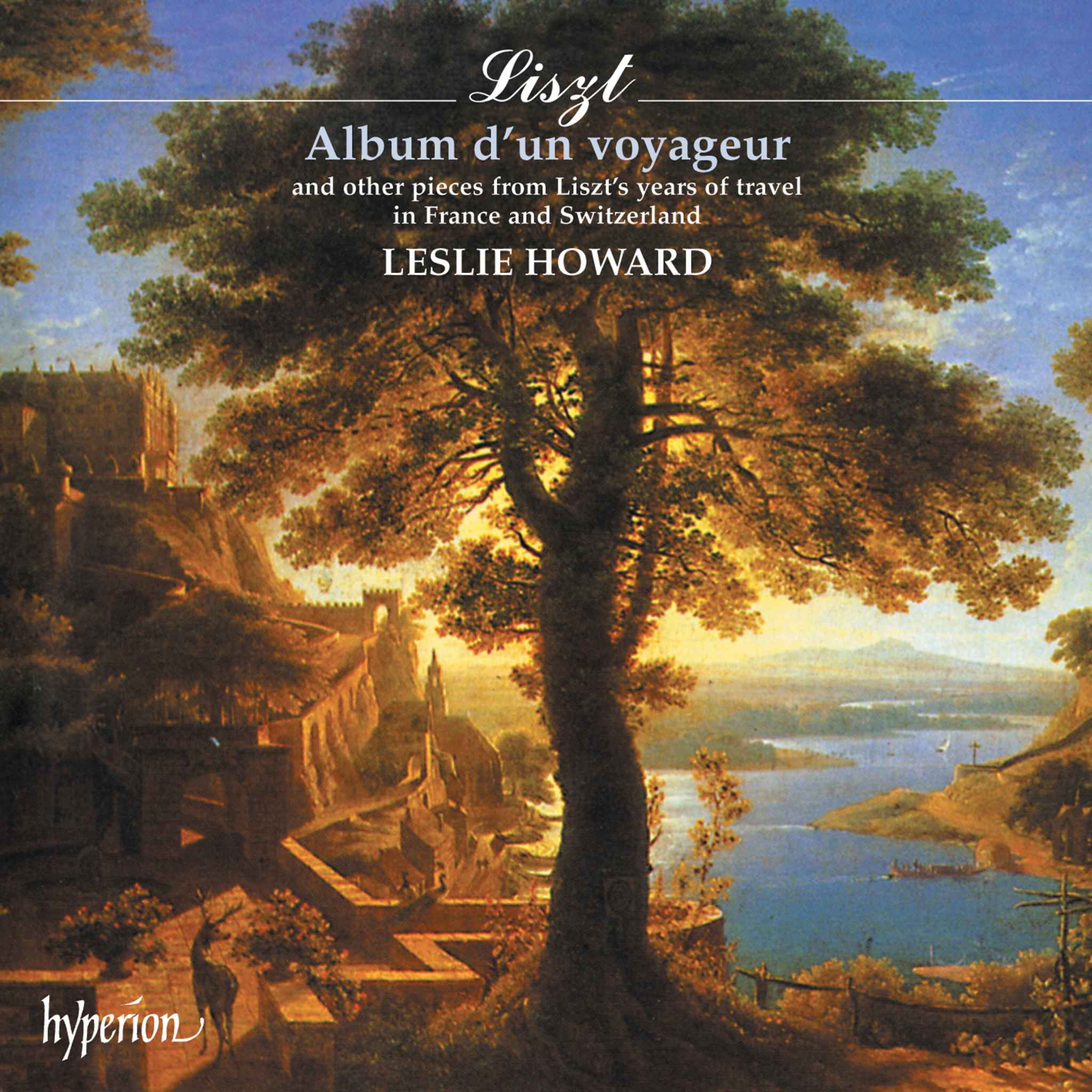
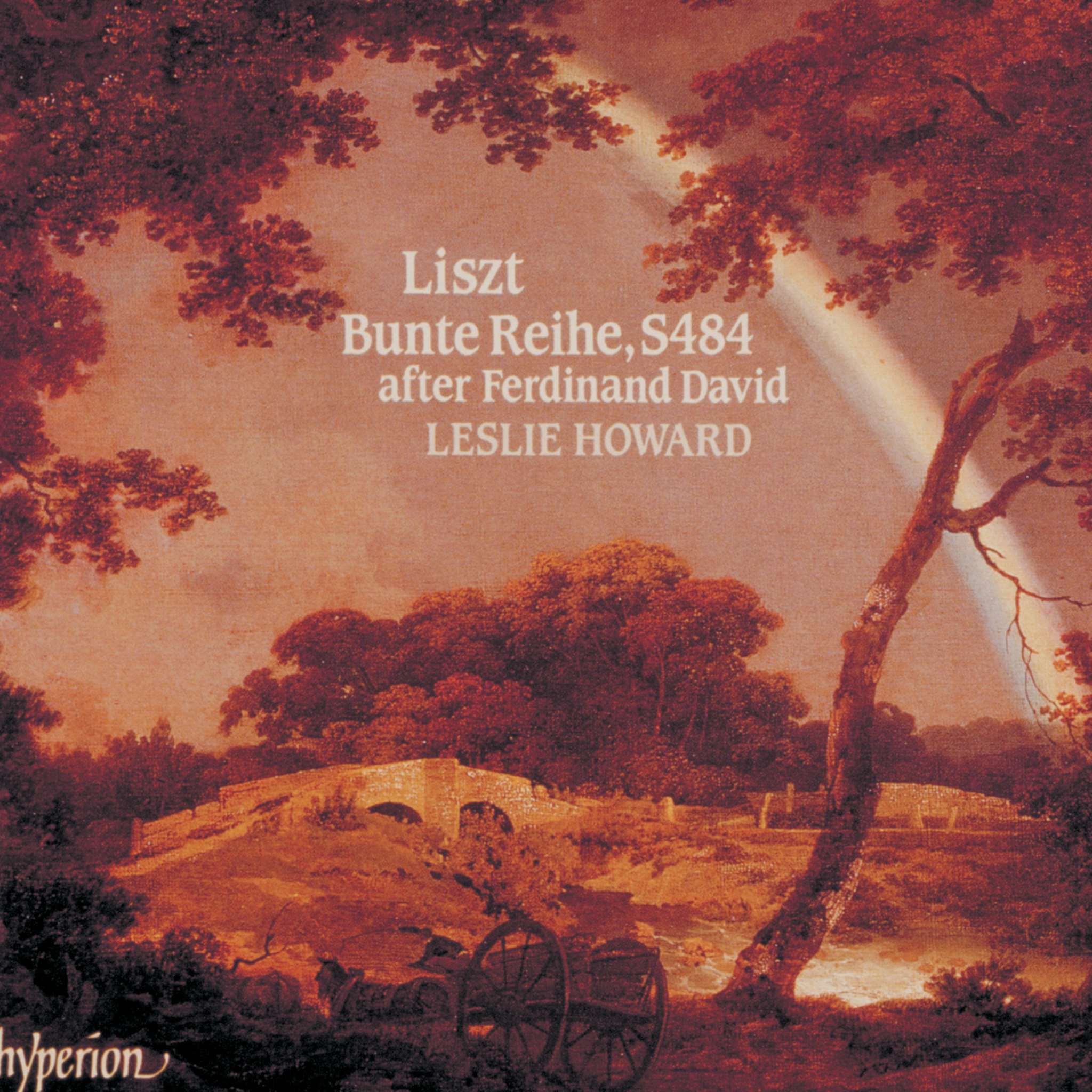
Die ersten und zweiten Années de pèlerinage entstanden während Liszts Weimarer Zeit und spiegeln seine Erfahrungen als reisender Konzertpianist wider. Diese Werke, die anfänglich vom Album d'un voyageur beeinflusst wurden, erfuhren eine gründliche Revision. Die Kollektion gliedert sich in drei Teile: Impressions et poésies, Fleurs mélodiques des Alpes und Paraphrases. Nach einer ausgedehnten Überarbeitungsphase zwischen 1848 und 1854 wurden sie schließlich 1855 veröffentlicht.
In Weimar schuf Liszt mit den Années de pèlerinage—Première année—Suisse eines seiner wichtigsten Klavierwerke. Das Werk beginnt mit einer Ehrerbietung an die Schweiz und die Wilhelm-Tell-Sage. Vallée d'Obermann, ein weiteres bedeutendes Stück dieser Sammlung, wurde von einem französischen Roman inspiriert und zeichnet sich durch seine vielfältigen rhetorischen Elemente aus.
Charakteristisch für Liszt ist seine Kunst, Kompositionen wie spontane Improvisationen wirken zu lassen, obwohl sie tatsächlich präzise durchkomponiert sind. Le mal du pays demonstriert diese Meisterschaft durch die geschickte Verwebung verschiedener melodischer Linien und wird mit einem Zitat aus "Obermann" eingeleitet.
Der Schweizer Band der Années endet mit Les cloches de Genève—Nocturne, einer revidierten Fassung mit erweitertem zweitem Teil. Als Ergänzung komponierte Liszt Venezia e Napoli, leichtere Stücke, die auf früheren Werken aufbauen. Die Trois Morceaux suisses, die auf Schweizer Volksliedern basieren, vervollständigen das Schweizer Repertoire.
Die Paraphrase Ranz de vaches behält ihren jugendlichen, fröhlichen Charakter, während Un soir dans la montagne feinfühliger überarbeitet wurde. Bei seinem letzten Stück blieb Liszt dem Original weitgehend treu und nahm nur minimale Änderungen vor, was seine Wertschätzung für das ursprüngliche Werk unterstreicht.