AboutEmerson String Quartet

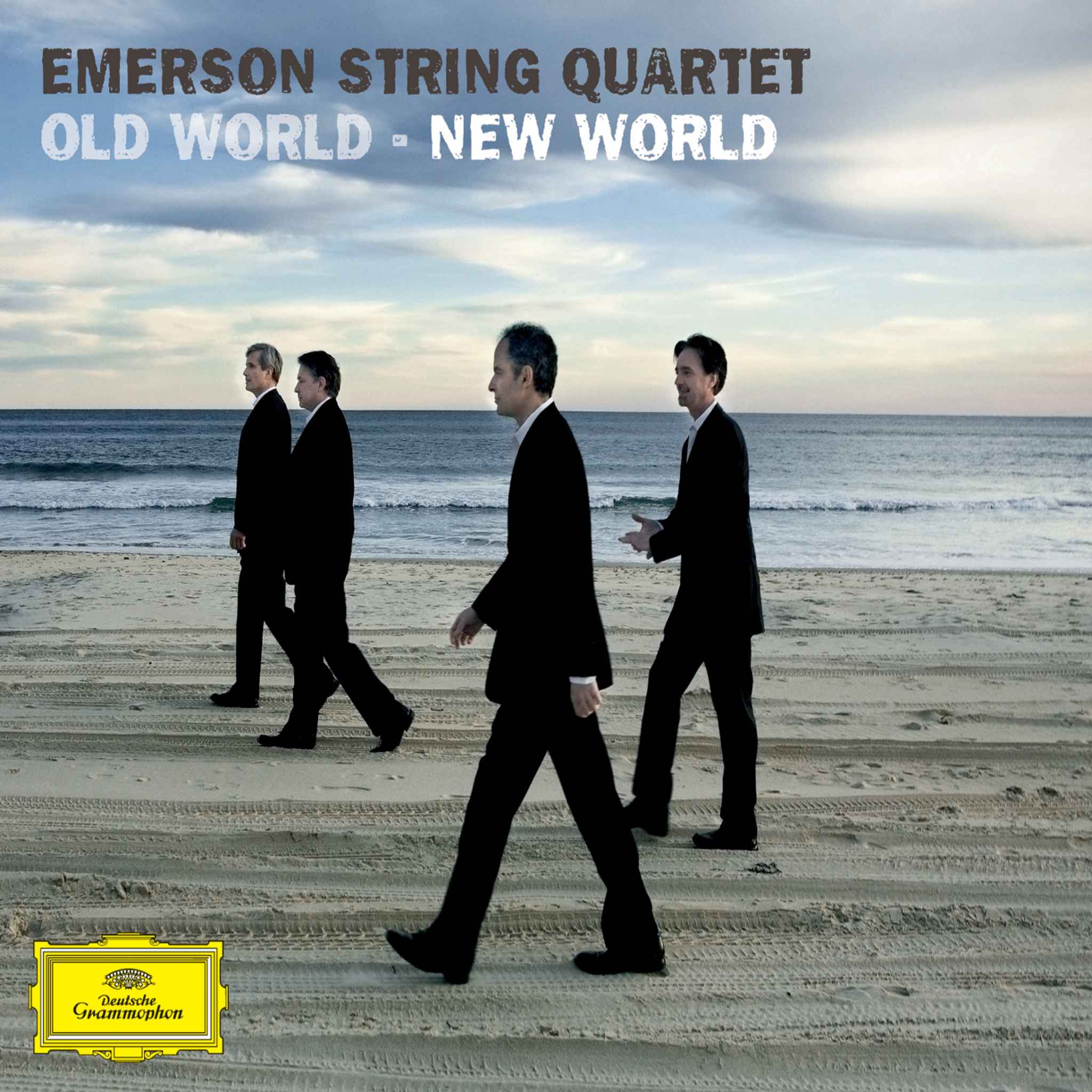
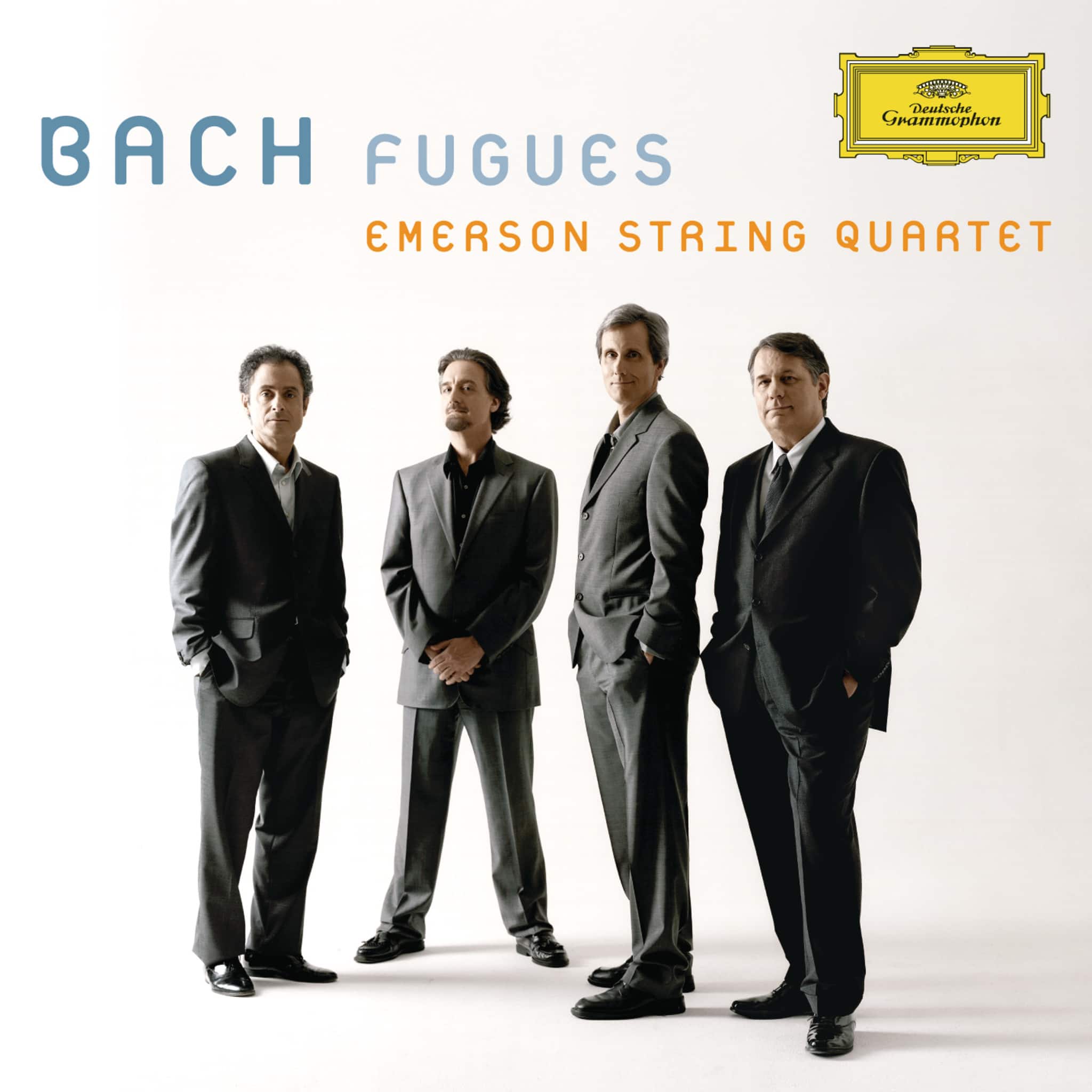
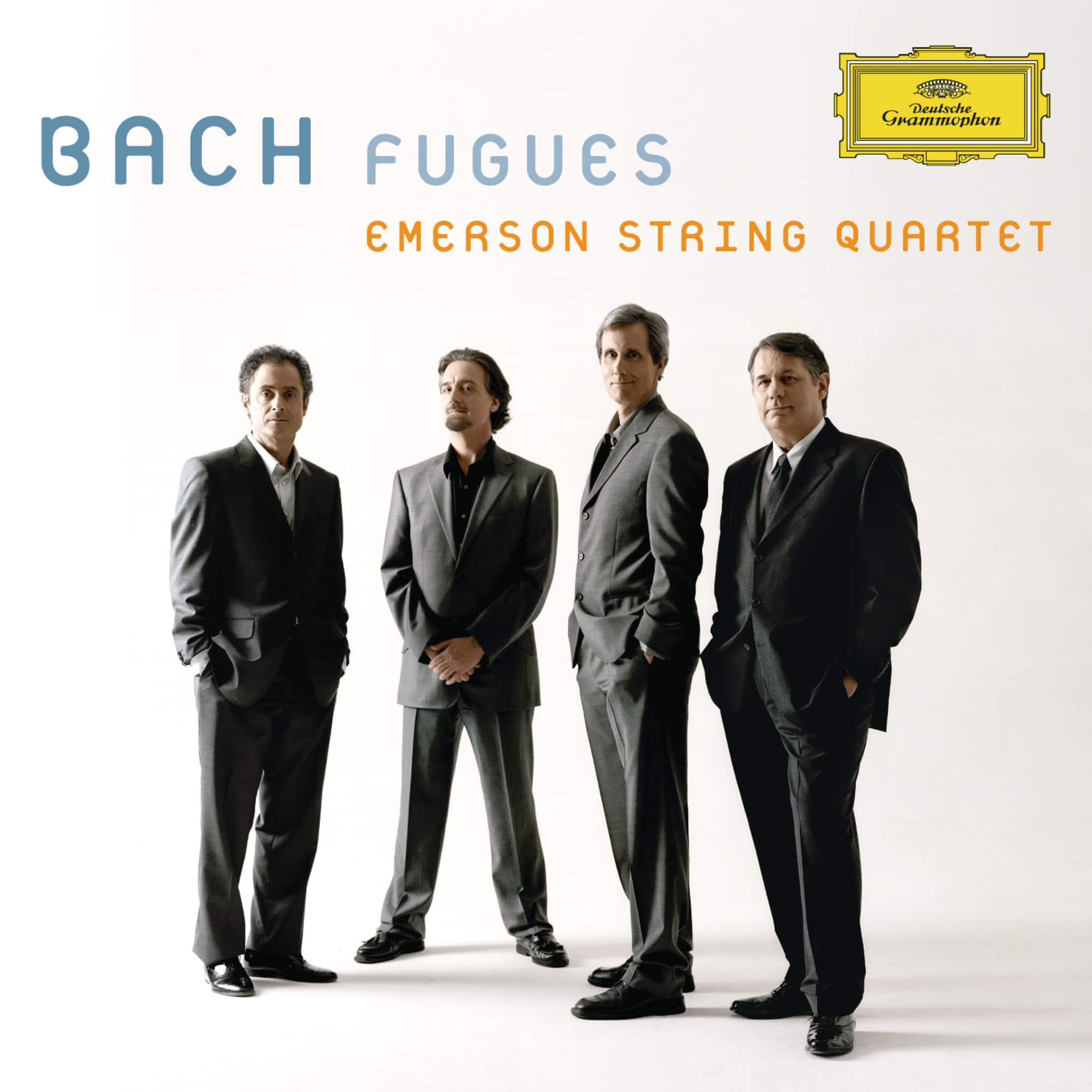
In 1976, four young string players, most of them graduates of New York's Juilliard School, came together to form a quartet, which they named after the American transcendentalist philosopher Waldo Emerson. Their personalities harmonized exceptionally well, and so Eugene Drucker and Philip Setzer, who unconventionally still switch their positions at the first and second violin stands, violist Lawrence Dutton (since 1977), and cellist David Finckel (since 1979) already reached a level in 1980 to realize world premieres such as Mario Davidovsky's "4th String Quartet." Since then, they have solidified their reputation with numerous tours and recordings, developing into one of America's most respected and prolific chamber ensembles, whose repertoire spans the entire spectrum of quartet literature.
The Emerson String Quartet consciously strives for a balance between historical, sometimes encyclopedic recordings dedicated to complete works of a composer, and new, progressive programs that represent the current music scene. A special project, for example, was the complete recording of Béla Bartók's six string quartets in 1989 – for the first time in Grammy history for a string quartet – which not only received the award for Best Chamber Music Recording but was also honored as "Best Classical Album." The jurors of the specialist magazine Gramophone also recognized the Bartók Quartets in 1989 as the best recording in this genre and as "Recording of the Year." For their version of the string quartets by Ives and Barber, they received a Grammy in 1993 in the category "Best Chamber Music Performance," as did the Beethoven Quartets in 1997. Finally, in 1990, the situation of 1989 repeated itself, and the Emerson String Quartet was again simultaneously honored as the best chamber ensemble and for the best classical album because their interpretations of Shostakovich's string quartets convinced the jurors in every respect.
In addition, the four musicians perform at least one world premiere each season. Notable documents of such engagements with contemporary music include their premieres of works by John Harbison (2nd String Quartet, 1987), George Tsoutakis (String Quartet, 1984), or Maurice Wright (String Quartet, 1983), as well as projects with Richard Werneck and Gunther Schuller. Together with soloists such as Yefim Bronfman, Maria João Pires, Menahem Pressler, or Mstislav Rostropovich, they also expand the sound spectrum of their ensemble with other instrumental colors. In addition, they have other engagements, for example, as Resident Quartet at the Smithsonian Institute in Washington and at the Hartt School of Music at the University of Hartford. The musicians are also politically and socially engaged, having participated in benefit concerts for world peace, the fight against world hunger, against AIDS, and for improving the situation of disabled children.
Since 1987, the Emerson String Quartet has been among Deutsche Grammophon's exclusive artists. This collaboration has resulted in numerous recordings, including works by Beethoven, Debussy, Haydn, Mozart, Prokofieff, Ravel, Schubert, and Tchaikovsky, as well as a series featuring oeuvres by 20th-century American composers. Here, too, balance is important, as in addition to the substantial CD box sets, the musicians regularly dedicate themselves to individual outstanding pieces such as the encore collection "Encores" (2002). And they continue to venture into unconventional interpretations, such as the groundbreaking multi-track recording of Mendelssohn's "String Octet Op. 20" in 2005, which was included as a pioneering technical achievement in the recording of the composer's "Complete String Quartets" (2005).
6/2005