
Konzerte


Opern

Alben



Erscheint auf







InfosHermann Prey
"Das Jahr 1954 brachte erste Schallplatten-Aufnahmen (“Der Zigeunerbaron” unter Otto Ackermann und “Ariadne auf Naxos” unter Herbert von Karajan) sowie erste Arbeiten fürs Fernsehen. Internationales Renommee als Opernsänger errang er mit seinen Debüts an der Wiener Staatsoper (März 1957 als Figaro in Rossinis “Barbier”) und bei den Salzburger Festspielen (wiederum als Barnier, diesmal in der “Schweigsamen Frau” von Richard Strauss). Den Rossini-Barbier sang er auch bei der Aufführung der Bayerischen Staatsoper, die am Ersten Weihnachtstag 1959 im Cuvillliestheater stattfand und live im Fernsehen übertragen wurde (mit Erika Köth und Fritz Wunderlich; DG DVD). 1960 gab er sein Debüt an der Metropolitan Opera New York, als Wolfram in einer “Tannhäuser”-Aufführung unter Georg Solti. Mit Elisabeth Schwarzkopf, Christa Ludwig und Karl Böhm begeisterte er das Publikum der Salzburger Festspiele in Günther Rennerts Inszenierung von “Così fan tutte”.
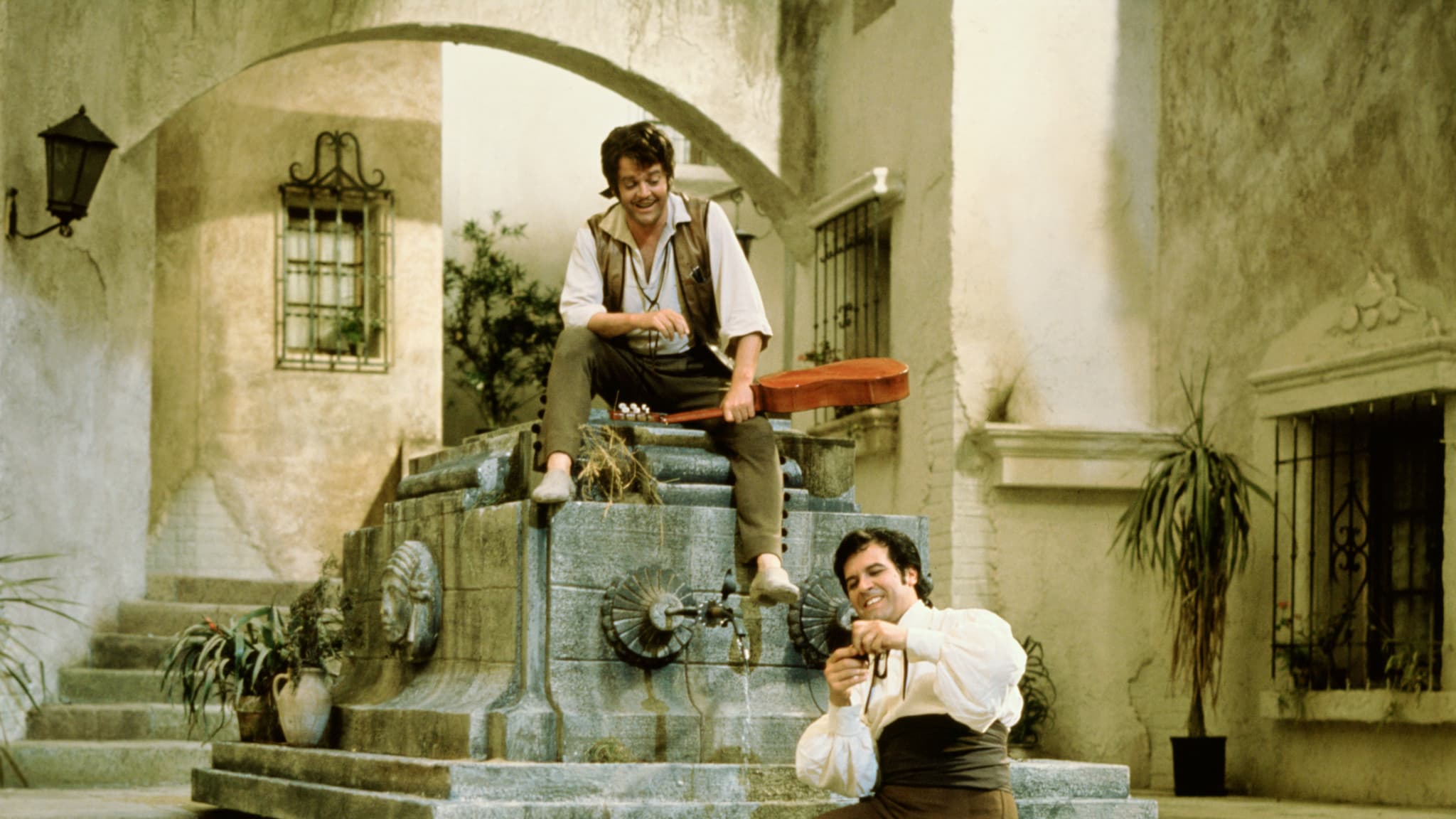
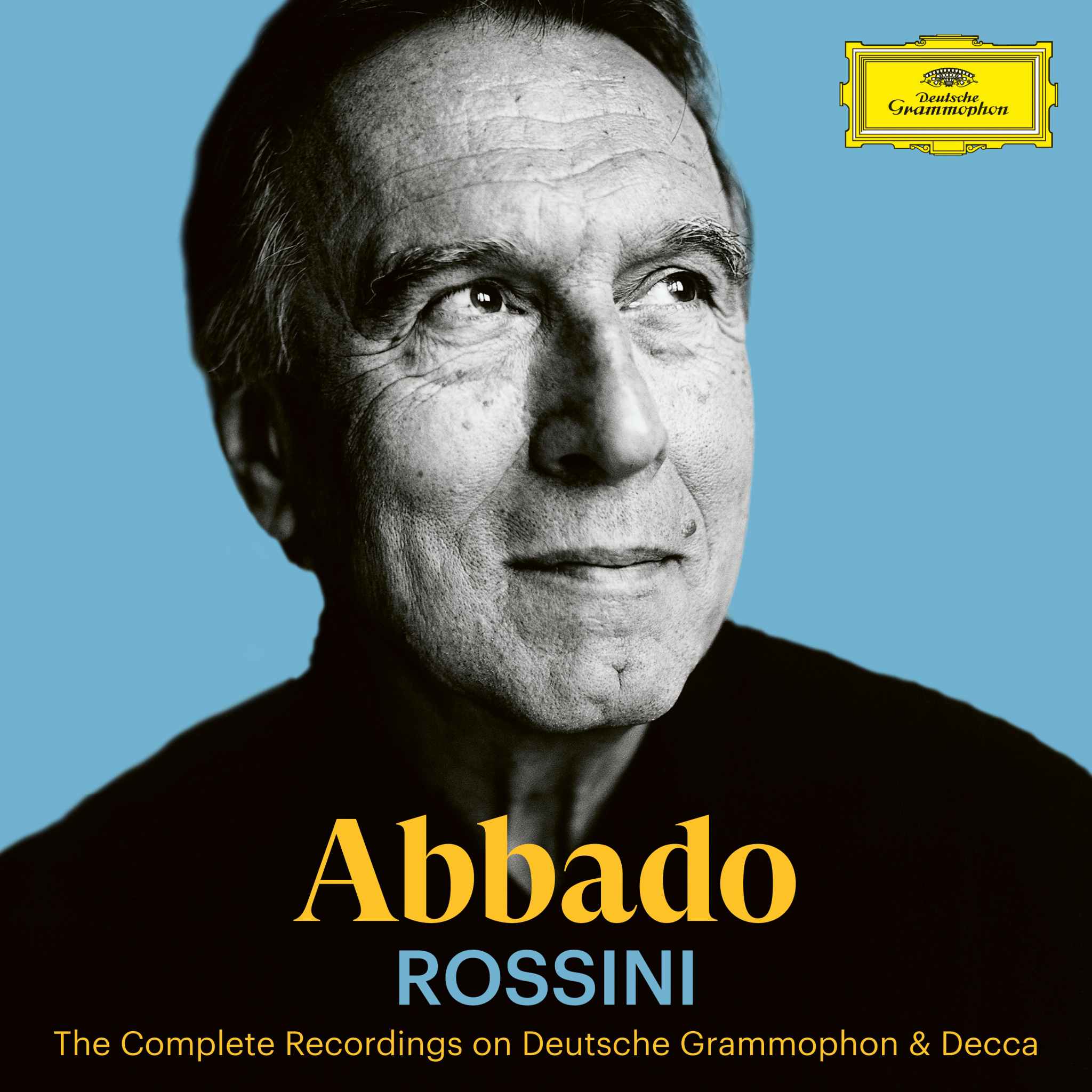
1961 machte er seine erste Japan-Tournee, 1962 wurde er zum Bayerischen Kammersänger ernannt. 1963 zog er mit seiner Frau Barbara und seinen drei Kindern (Annette, Florian und Franziska) nach Krailling bei München. 1964 sang er an der Bayerischen Staatsoper erstmals den Papageno in der “Zauberflöte”, eine seiner erfolgreichsten Partien. 1965 debütierte er bei den Bayreuther Festspielen als Wolfram in “Tannhäuser”, im gleichen Jahr gestaltete er seine erste eigene Ferseh-Show (“Schaut her, ich bin’s”). In der von Marc Chagall ausgestatteten Neuproduktion der “Zauberflöte” an der Metropolitan Opera sang er ab 1967 den Papageno. 1968 unternahm er eine große Tournee durch Südamerika. Als erster deutscher Sänger sang er 1969 die Titelpartie in Rossinis “Barbiere” an der Mailänder Scala (Dirigent: Claudio Abbado). Zwischen 1971 und 1975 entstand sein größtes Schallplatten-Projekt: Die “Lied Edition Hermann Prey”, die 452 Lieder vom Minnesang bis zur Gegenwart umfasst. In diesem Zeitraum war er auch immer wieder in Fernsehproduktionen tätig, u. a. bei den Verfilmungen von “Don Pasquale”, “Der Wildschütz” und “Der Barbier von Sevilla”. 1974 war er Karajans Papageno in Salzburg (Regie: Georgio Strehler), 1975 initiierte er ein weiteres Großprojekt: Die Schubertiade in Hohenems, deren Künstlerischer Leiter er von 1976 bis 1981 war. Danach gründete er die “Herbstlichen Musiktage Bad Urach”.
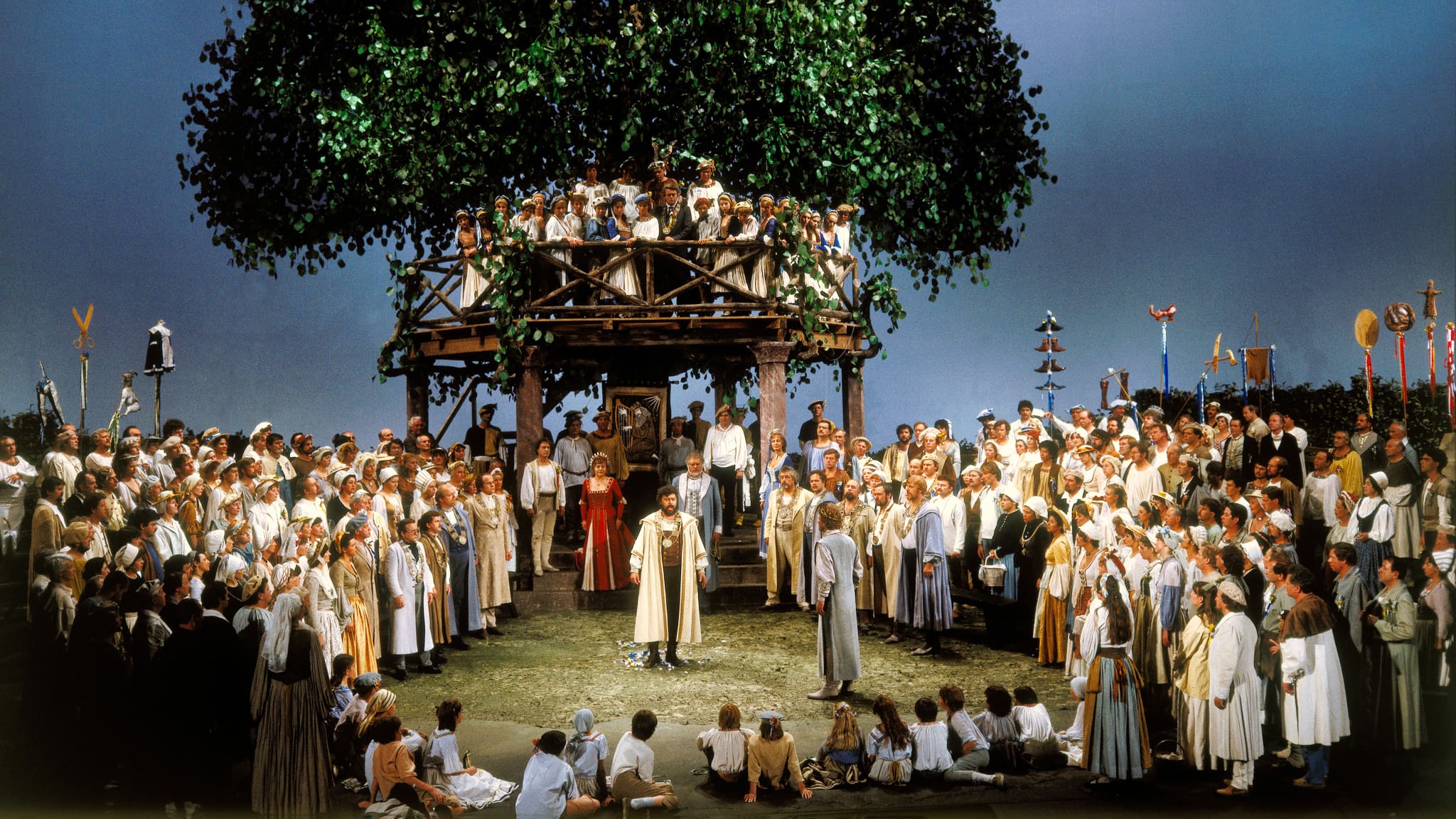
1981 gab er sein Rollen-Debüt als Beckmesser in Wagners “Meistersinger” bei den Bayreuther Festspielen. Im gleichen Jahr veröffentlichte er seine Memoiren “Premierenfieber”. Von 1983 bis 1997 war er Künstlerischer Leiter der Schubertiade im Wiener Musikverein. 1983 sang er an der Covent Garden Opera in London den Eisenstein in der “Fledermaus”. Für seine Darstellung des Beckmesser beim Maggio Musicale in Florenz erhielt er 1986 den Preis der italienischen Musikkritik “F. Abbiati”; im gleichen Jahr gab er sechs Schubert-Liederabende an der Mailänder Scala. 1988 folgte sein Debüt als Opernregisseur (“Figaro” bei den Salzburger Mozartwochen). 1992 sang Prey den Beckmesser auch an der Met, 1993 wurde er Ehrenmitglied der Gesellschaft der Musikfreunde in Wien. Aufgrund einer Herzschwäche erlitt er Im Oktober 1997 in Bad Urach einen Zusammenbruch. Dennoch sang er kurze Zeit später fünf Konzerte mit der Orchesterfassung von Schuberts “Winterreise”. 1998 gab er in New York einen Liederabend mit James Levine. Sein letzter Liederabend fand am 12. Juli 1998 im Prinzregententheater in München statt. Am 22. Juli 1998 starb Prey in seinem Haus in Krailling an Herzversagen."