Skip to content

Conductor

Karl Böhm

1894 — 1981

AboutKarl Böhm

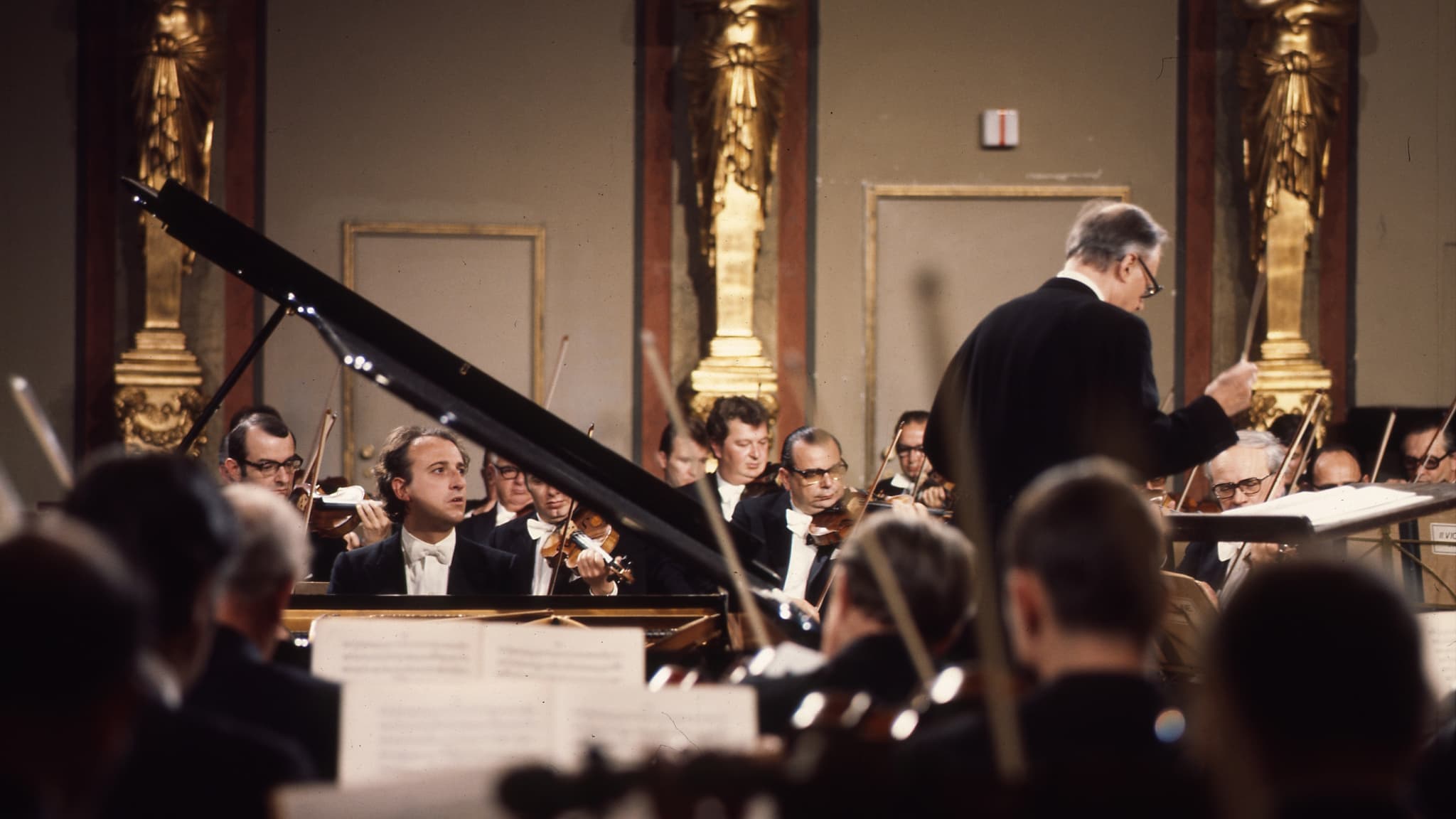
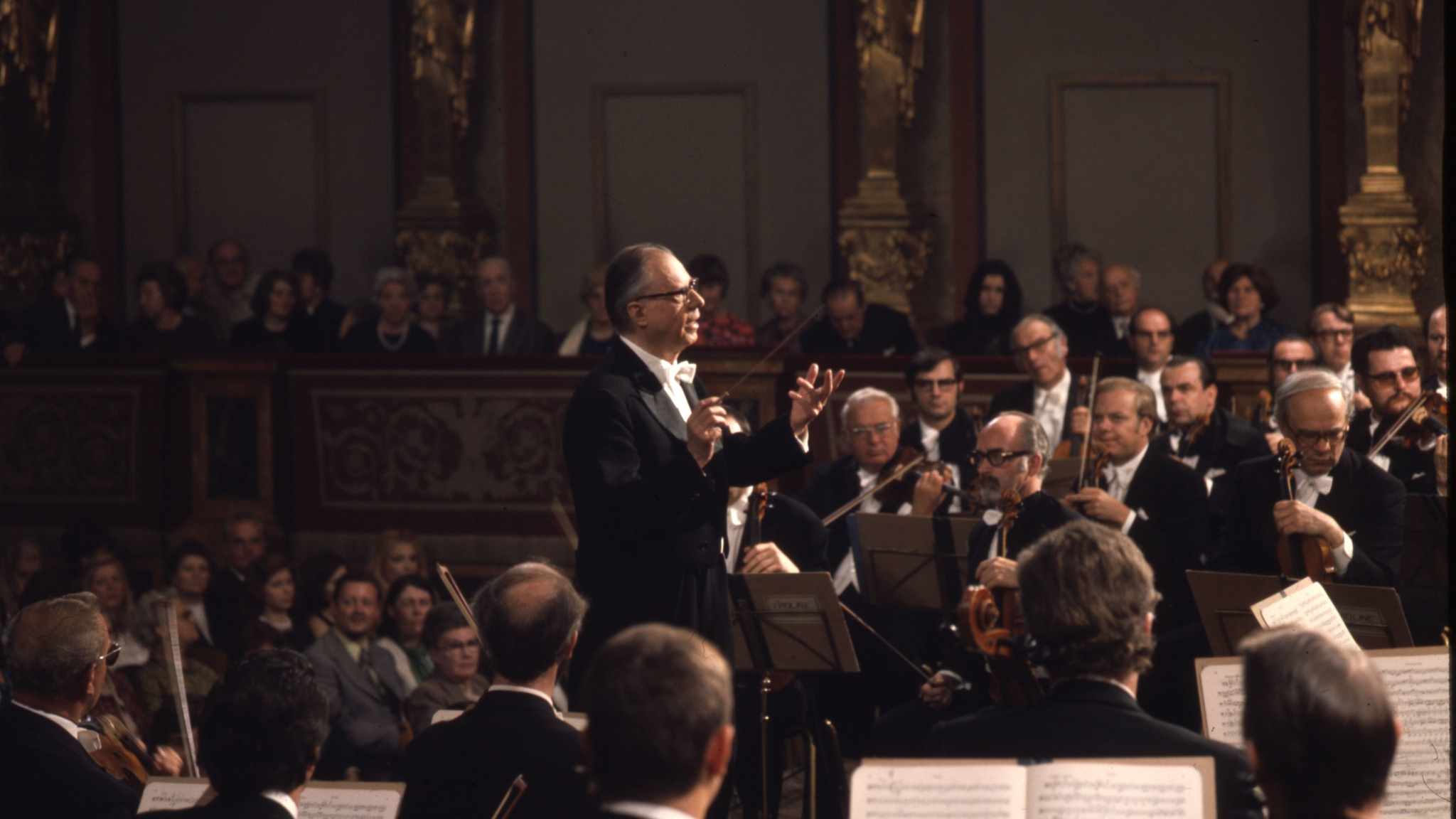
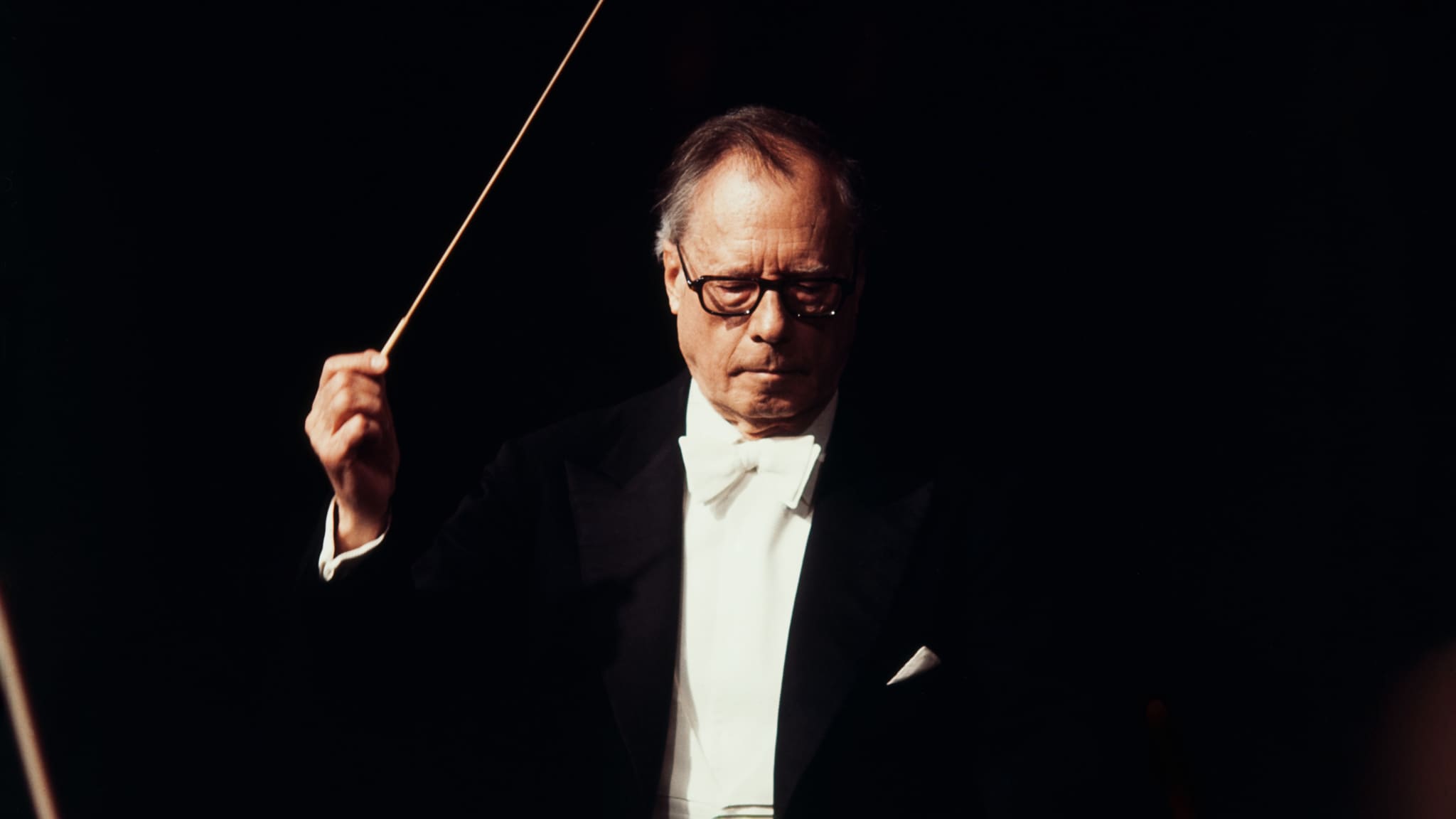
Karl Böhm was born in Graz on August 28, 1894. His father was a lawyer, and so his son initially studied law (earning his doctorate in 1919), but then switched to music, studying piano and music theory in Graz, and then at the Vienna Conservatory under Eusebius Mandyczewski, who belonged to Johannes Brahms' inner circle. His first positions included working as a répétiteur at the opera house in his hometown in 1917; in 1919, he was appointed 2nd Kapellmeister there, and in 1920, 1st Kapellmeister. Around this time, he first met the conductor Bruno Walter, who subsequently brought him to the Munich opera house in 1921. In 1927, Böhm was appointed General Music Director of Darmstadt, and in 1931, he moved to Hamburg in the same capacity. Largely self-taught as a conductor, he had already made enough of a name for himself that he was allowed to conduct in Vienna for the first time in 1933 (“Tristan und Isolde,” Wagner). He was appointed professor in Hamburg and in 1934 succeeded Fritz Busch in Dresden, who had fled abroad from the National Socialists. During these years, Böhm realized several important world premieres, such as Richard Strauss's “Die schweigsame Frau” (1935) and “Daphne” (1938). In 1938, Böhm was invited to Salzburg for the first time and conducted “Don Giovanni” at the festival; in 1943, he took over the direction of the Vienna State Opera for a year. After the war, he intensified his activities abroad. He made his debut at La Scala in 1948, also conducted in Paris, and in 1950 went to the Teatro Colón in Buenos Aires for three years. Again, he distinguished himself with premieres such as the Spanish translation of Alban Berg's “Wozzeck” and the premiere of Gottfried von Einem's “Der Prozess.” Böhm returned to the rebuilt Vienna State Opera in 1954 and shone in 1957 with “Don Giovanni” at the Met. In 1962, he was invited to Bayreuth, presented himself there as an interpreter of “Tristan und Isolde,” and remained regularly associated with the Green Hill until 1970, including conducting Wieland Wagner's last production of the “Ring” (1965–67). During the 1960s, Böhm was one of the most sought-after conductors worldwide. He led “Fidelio” in Tokyo (1965), made guest appearances in Moscow, and was particularly known as a sensitive and perfectionist interpreter of the works of Mozart, Strauss, and Wagner, but also dedicated himself intensively to Beethoven and Bruckner. He conducted numerous renowned ensembles, but maintained a special relationship primarily with the Vienna Philharmonic, with whom he realized around 450 concerts and numerous opera evenings, as well as record and film recordings. In 1967, he was appointed “Honorary Conductor” of the orchestra. Among his later works was a complete recording of Mozart's symphonies, which he realized in 1974. Among the numerous awards Karl Böhm received during his career spanning some six decades were two Grammy Awards, first in 1965 for the recording of Alban Berg's “Wozzeck” (Best Opera Recording) with Dietrich Fischer-Dieskau, Evelyn Lear, and Fritz Wunderlich (a work he extensively devoted himself to throughout his life), and then in 1976 as “Best Recording for Children” for his version of Prokofiev's “Peter and the Wolf.” Karl Böhm was a maestro on the podium who approached the preparation of a work with relentless rigor and discipline, but then conducted it with a devotion and empathy that placed his own personality behind the impact of the music. He remained on the podium until old age and died on August 14, 1981, at the age of 87 in Salzburg during rehearsals for Richard Strauss's “Elektra.” His son Karl-Heinz Böhm pursued a career as an actor in the post-war period. 6/2005

Overview of Karl Böhm's Legacy

Karl Böhm (1894–1981) was an Austrian conductor renowned for his interpretations of Mozart, Wagner, Richard Strauss, and several other major composers. His reputation is particularly tied to his long association with the Vienna Philharmonic and his significant impact at major European opera houses and festivals.

Böhm’s discography and performance history are remarkable for their breadth and depth, especially in the classical and early romantic repertoire. His conductorship included various internationally acclaimed symphonies like the first symphony K.16 by Mozart, Beethoven's Fidelio, and Mozart's Die Entführung aus dem Serail.

Fascinating Works Conducted by Karl Böhm

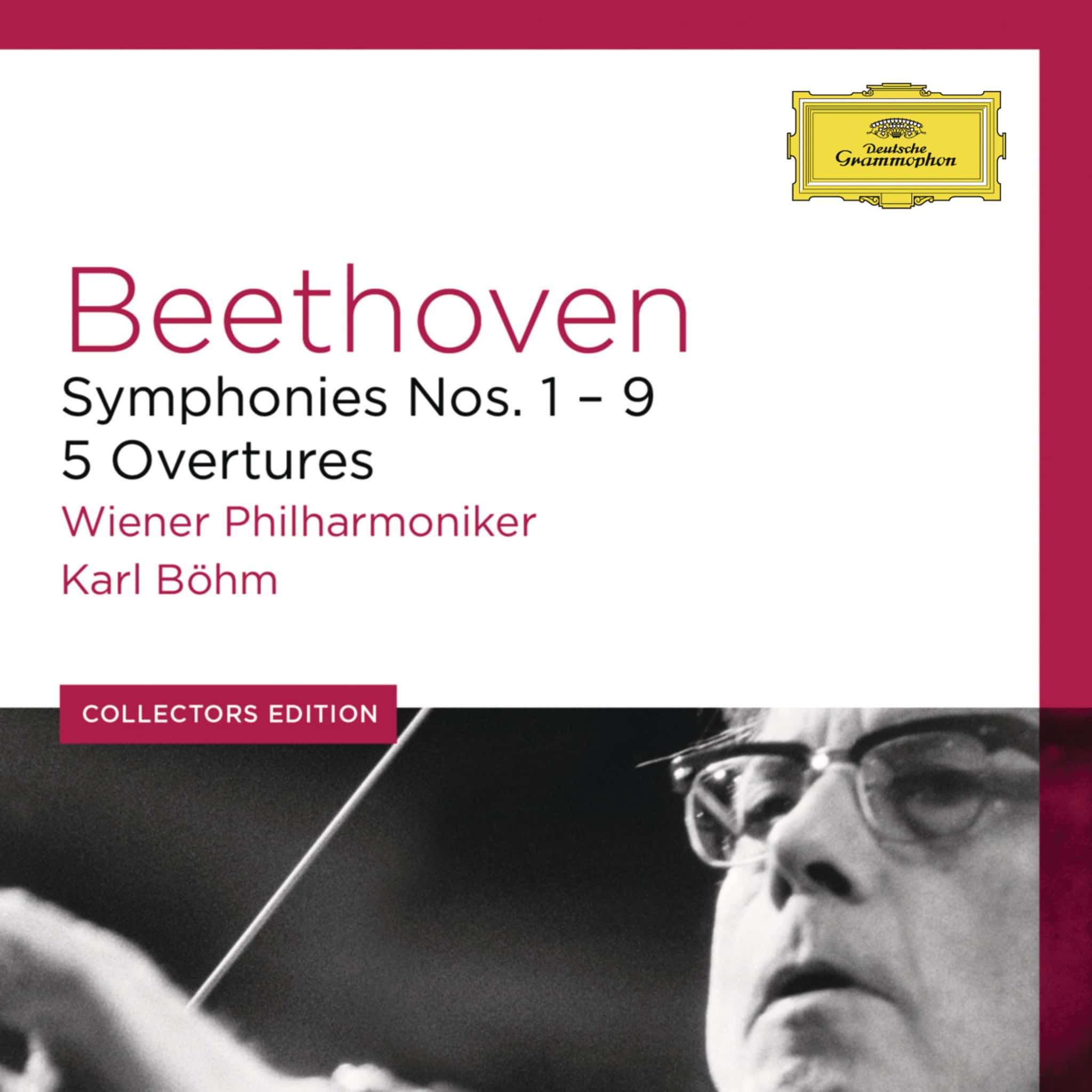
From Beethoven's Symphony No.6 "Pastoral" / Schubert's Symphony No.5 to Mahler's Lieder eines fahrenden Gesellen; 4 Rückert-Lieder; Kindertotenlieder, Karl Böhm's conducting has given wings to the music of these legendary artists. Indulge in the grandeur of Haydn, Wagner, and Beethoven essentials, masterfully orchestrated with Böhm's touch. The Fisher-Dieskau Lieder A-Z collection is a silhouette of Böhm's unparalleled finesse in conducting.

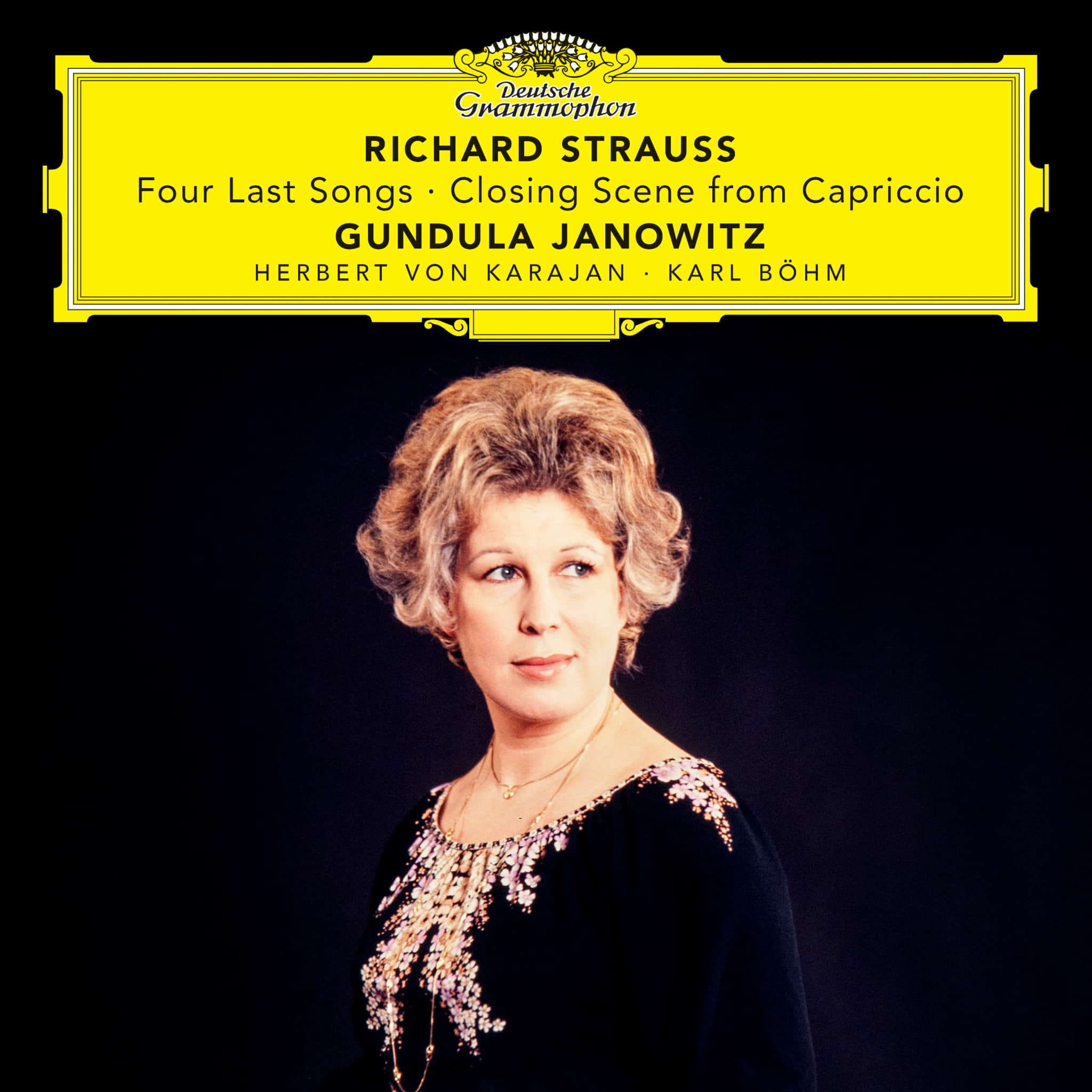
Böhm’s influence extended to the works of Richard Strauss, with whom he had a close personal and professional collaboration, conducting major Strauss operas including Der Rosenkavalier, Arabella, Capriccio, Ariadne auf Naxos, Die schweigsame Frau, and Die Frau ohne Schatten. He was also considered among the "gold standard" interpreters of Wagnerian opera due to his regular performances at Bayreuth and Salzburg.

Key Orchestras and Collaborations

Böhm worked extensively with Europe’s top orchestras and opera houses. The featured performances include symphonies like Wiener Philharmoniker, Wiener Symphoniker, Bayerische Staatsoper, and Berliner Philharmoniker, among others all showcasing the wide range of Böhm's conductorship capabilities.

Take a deep dive into the classics like Eine kleine Nachtmusik and enjoy the electrifying performances by the maestro himself. This collection is not just an assortment of Karl Böhm's best, but also an appreciation of his contribution to the world of symphonies. Get ready to embark on an unforgettable journey through the enchanting world of classic symphonies conducted by Karl Böhm at STAGE+.