コンテンツ一覧に移動する
DGワールドへようこそ!
公式ウェブサイト
ステージプラス
ショップ
ステージプラス
ホーム
ライブ配信
料金プラン
検索
ホーム
ライブ配信
料金プラン
検索
作曲
Jean Langlais
1907 — 1991
アルバム
Langlais: Pasaume Solennel Nos. 1-3; Cortège; Libra me; Tu es Pertrus; Ceremony (Vol. 2)
East London Chorus, フィンチュリー・チルドレンズ・ミュージック・グループ, Locke Brass Consort, Pro Arte Orchestra Of London, Murray Stewart
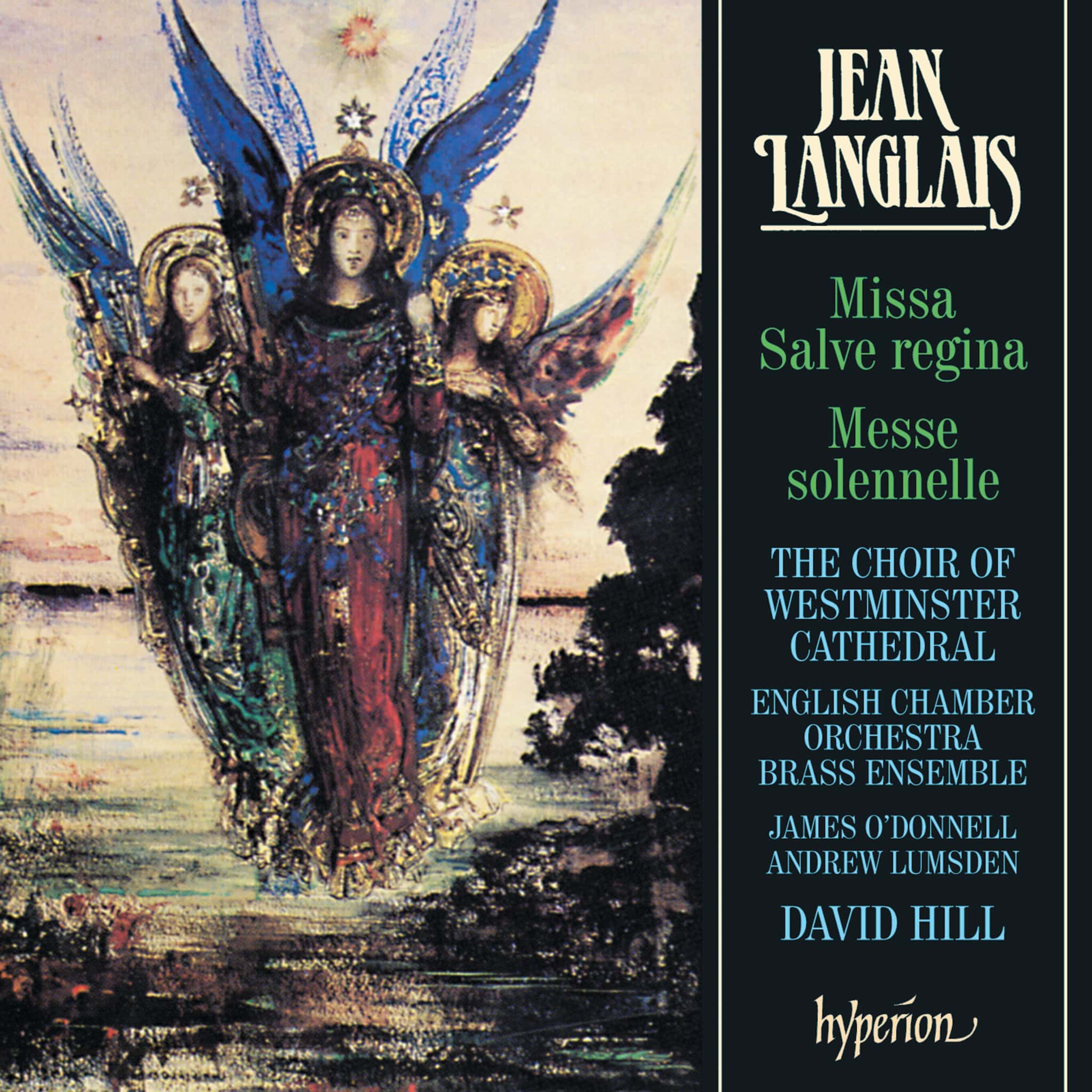
Jean Langlais: Missa Salve regina & Messe solennelle
Westminster Cathedral Choir, デイヴィッド・ヒル
関連コンテンツ
Great Organ Masterworks
ピーター・ハーフォード, サイモン・プレストン
The Feast of St Michael & All Angels at Westminster Abbey
ウェストミンスター寺院聖歌隊, ジェームズ・オドンネル
Christmas Vespers at Westminster Cathedral
Matthew Martin, Westminster Cathedral Choir, Martin Baker
Organ Fireworks 11: Lay Family Concert Organ, Dallas, Texas
Christopher Herrick
Organ Fireworks 9: Organ of Berner Münster, Switzerland
Christopher Herrick
Organ Dreams, Vol. 1 – Organ of the Temple Church, London
Christopher Herrick
Brightly Shining
カルロ・カーリー
Heroic and Ceremonial Music for Brass & Organ
クリストファー・バワーズ=ブロードベント, London Gabrieli Brass Ensemble, Christopher Larkin
さらに表示する