Concerts and Operas

Albums



Short Videos

AboutAnna Gourari
Anna Gourari (b. October 3, 1972) hails from Kazan, Russia, and over the past two decades has become one of the notable artistic personalities of her generation. She received her first piano lessons at the age of five from her parents, but it soon became clear that her musical gifts far exceeded what could be nurtured at home. In 1979 she was admitted to a special music school for highly gifted children, joining the class of Kira Shashkina. An experienced pianist-pedagogue who had also taught Mikhail Pletnev, Shashkina provided Gourari with a solid artistic foundation over the next decade. Masterclasses in Moscow with Vera Gornostayeva—a former pupil of Heinrich Neuhaus who had also taught Ivo Pogorelich—refined the young pianist’s interpretive craft. Among the early awards marking Gourari’s promise was first prize at the Russian Kabalevsky Competition in 1986, foreshadowing an eventful artistic future.
After the fall of the Iron Curtain, Gourari moved to Germany with her family in 1990 and continued her studies at the University of Music and Theatre Munich (HMTM), notably with Ludwig Hoffmann. Her talent was quickly recognized: she became a scholar of the German Academic Scholarship Foundation (Studienstiftung des deutschen Volkes) and received intensive support. Her brilliant debut in Western European musical life came the same year, when she won first prize at the International Chopin Competition in Göttingen. Four years later, at 21, she emerged as the radiant winner of the First International Clara Schumann Piano Competition in Düsseldorf—an especially notable achievement given the jury’s elite lineup of Martha Argerich, Vladimir Ashkenazy, Alexis Weissenberg, Nelson Freire, and the critic Joachim Kaiser. Further honors soon followed, including the State Prize for Young Artists (1999), the ECHO Klassik 2000 as “Newcomer of the Year,” and the ECHO Klassik 2001 as “Instrumentalist of the Year.”
Gourari’s artistic credo centers on the immediacy of expression: “On stage, everything that has been analyzed, practiced, and prepared must, as a conditio sine qua non, recede into the background—as the basis for spontaneity, feeling, and the unexpected—in order to make the ‘mystery’ of music possible.” Since the mid-1990s she has built an excellent reputation as a soloist and chamber musician on major European stages. She has worked with conductors such as Sir Colin Davis, Lorin Maazel, Zubin Mehta, and Iván Fischer, and has appeared in numerous radio and television productions broadcast across Europe, Russia, and Japan. In 2001 she could also be seen in cinemas as both pianist and actress: in Werner Herzog’s Invincible she played the female lead opposite Tim Roth and Udo Kier. The film premiered in 2001 at the Venice International Film Festival to enthusiastic audience and critical response.
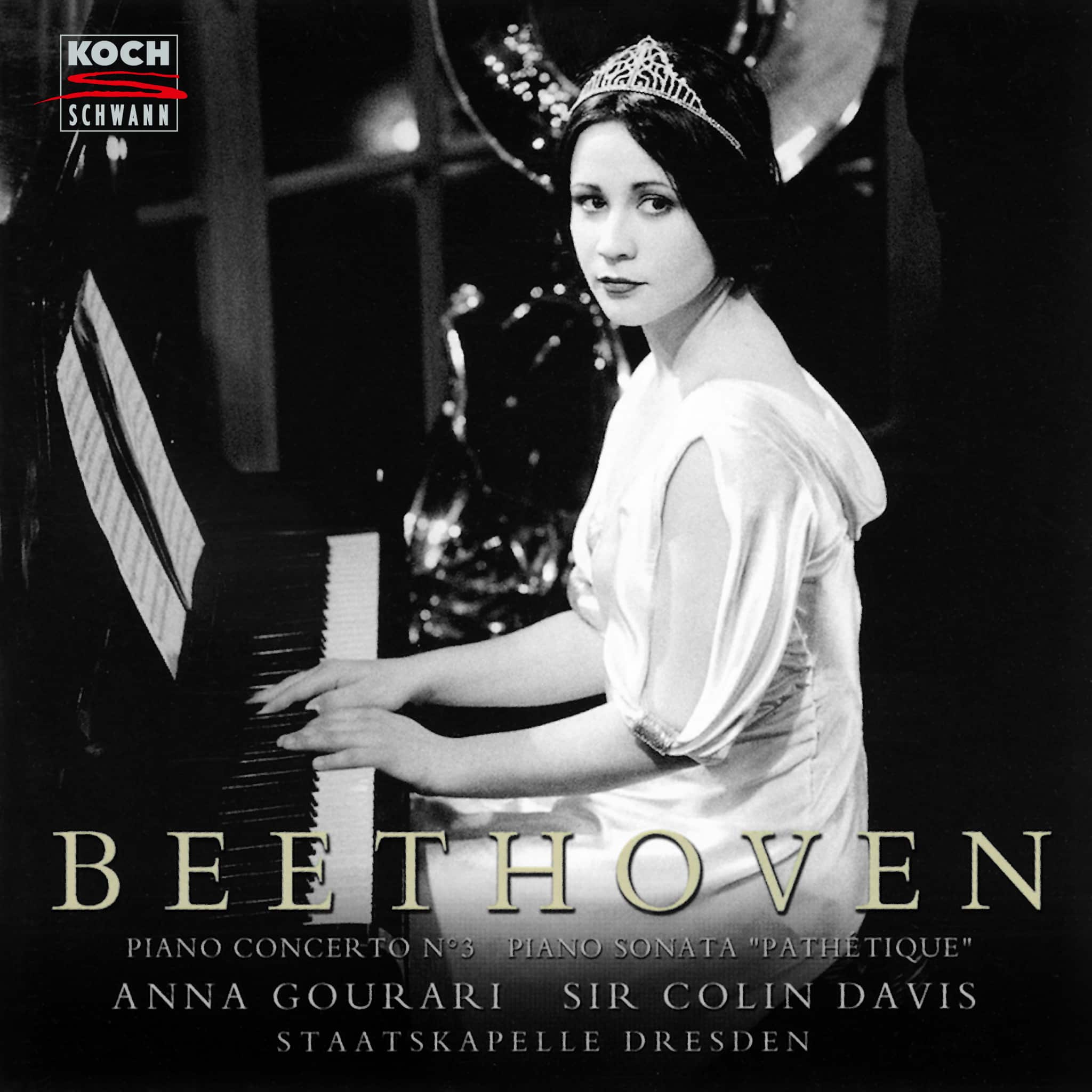
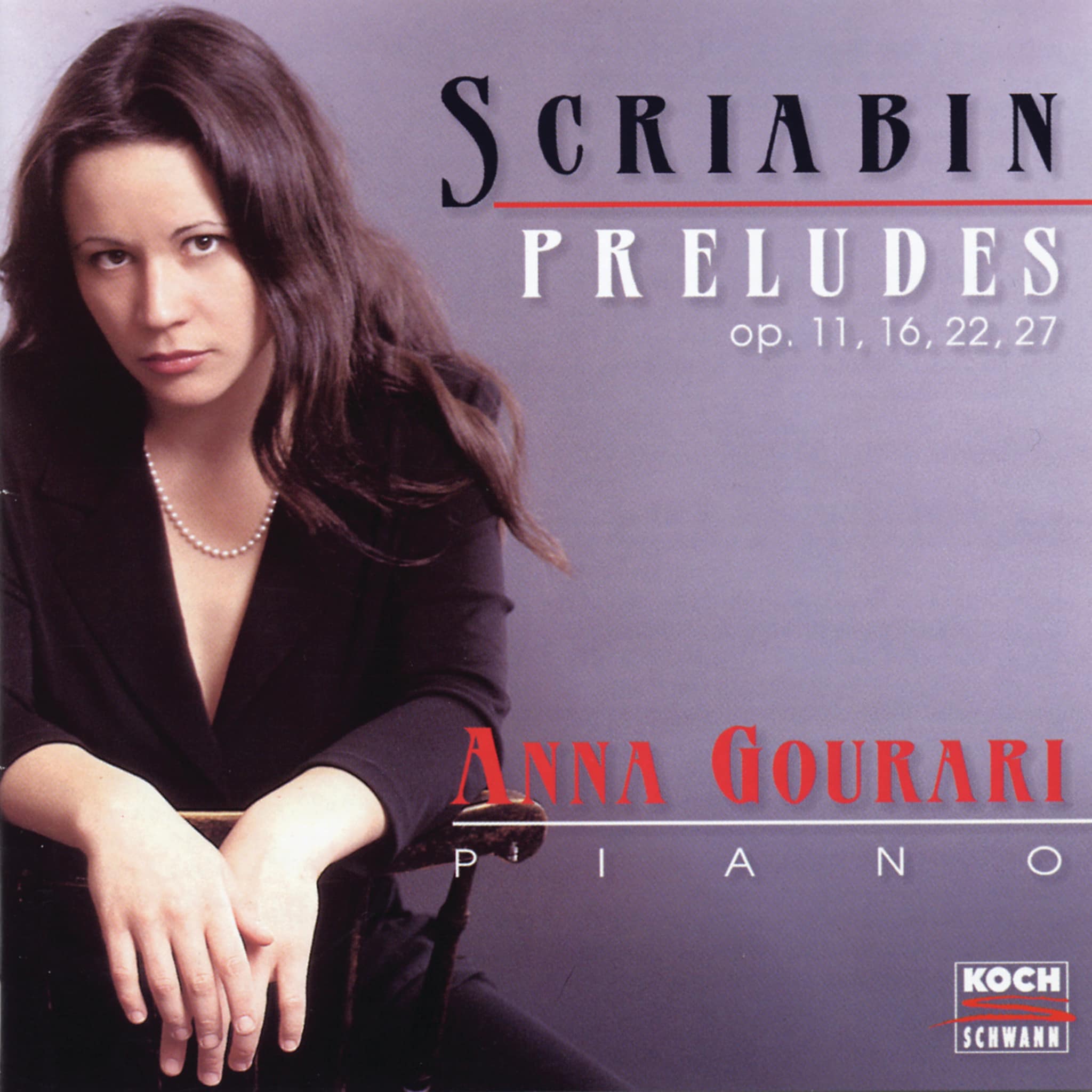
Gourari has been a guest at prestigious festivals including the Kissinger Sommer (Bad Kissingen), the Ruhr Piano Festival, the Rheingau Music Festival, Snow & Symphony in St. Moritz, and the Salzburg Festival, where she made her debut in August 2003. Her repertoire ranges from the Classical-Romantic piano literature—Bach, Beethoven, Schumann, Chopin, Brahms, and Scriabin—to the classical modern period and contemporary works by composers such as Paul Hindemith, Francis Poulenc, Sergei Prokofiev, Sofia Gubaidulina, and Rodion Shchedrin. After two years of recording for Koch Classics, she signed an exclusive contract with Decca in 2002. Her first Decca album, Mitternacht – Nocturnes, appeared in October 2003. In spring 2005 she followed it with the recital album Désir, which the Süddeutsche Zeitung praised as “extraordinarily passionate,” devoted to the music of Alexander Scriabin and Sofia Gubaidulina.