
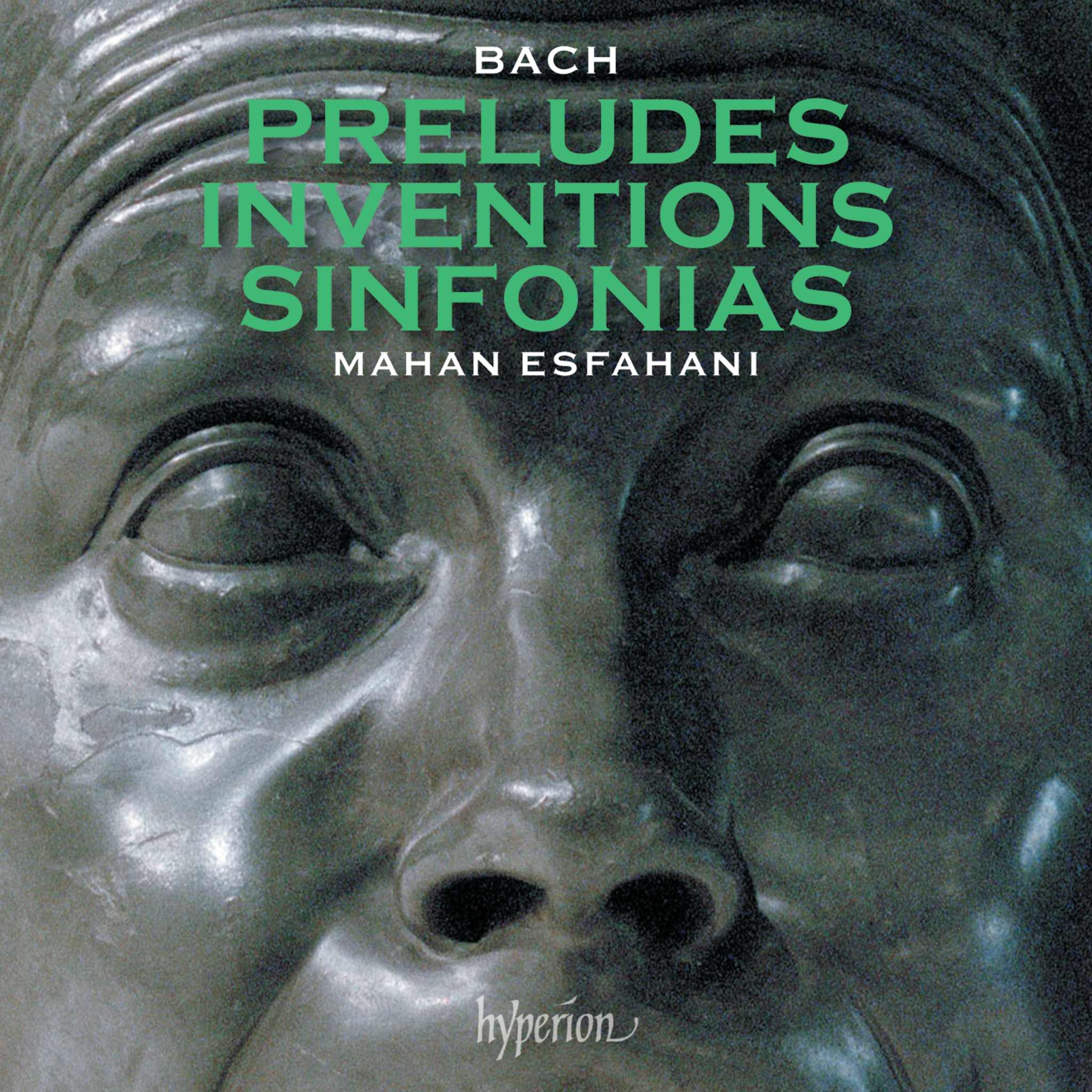




Johann Sebastian Bach Johann Sebastian Bach's collection of Inventions and Sinfonias, consisting of 15 two-part and 15 three-part works for keyboard instruments, was originally composed as teaching material for his son Wilhelm Friedemann, who was the first to learn these pieces.[1] Bach deliberately chose simple keys for these compositions and avoided complex modulations in order to encourage his students to play music and not overwhelm them.[1] The works were initially titled "Praeambulum" for the two-part pieces and "Fantasia" for the three-part pieces, but were later renamed "Inventio" and "Sinfonia" and written down in a new arrangement with additional ornamentation.[1] The analysis of the various copies made by different copyists provides insight into Bach's ornamental style and his musical expression.[1]
The question of the execution and effect of additional ornamentation continues to occupy performers today, as Bach varied the embellishments depending on the situation.[2] The Little Preludes serve as an introduction to basic keyboard techniques and facilitate the transition to more demanding works. A thorough study of the compositions reveals both Bach's pedagogical approach and the demands placed on his students.[2]
When choosing an instrument for performing these works, optimal sound reproduction was paramount for each musician. While the Inventions are particularly well-suited to the harpsichord, the Symphonies, due to their complexity, unfold their special effect on this instrument. The Little Preludes are flexible and, depending on the character and mood, can also be played on the modern piano.
Despite their primarily didactic purpose, the artistic substance of the Inventions and Symphonies should not be underestimated.[2] Especially in a complete performance, the diversity of expression and the profound beauty of this music are revealed, extending far beyond its original purpose and continuing to fascinate to this day.[2]