


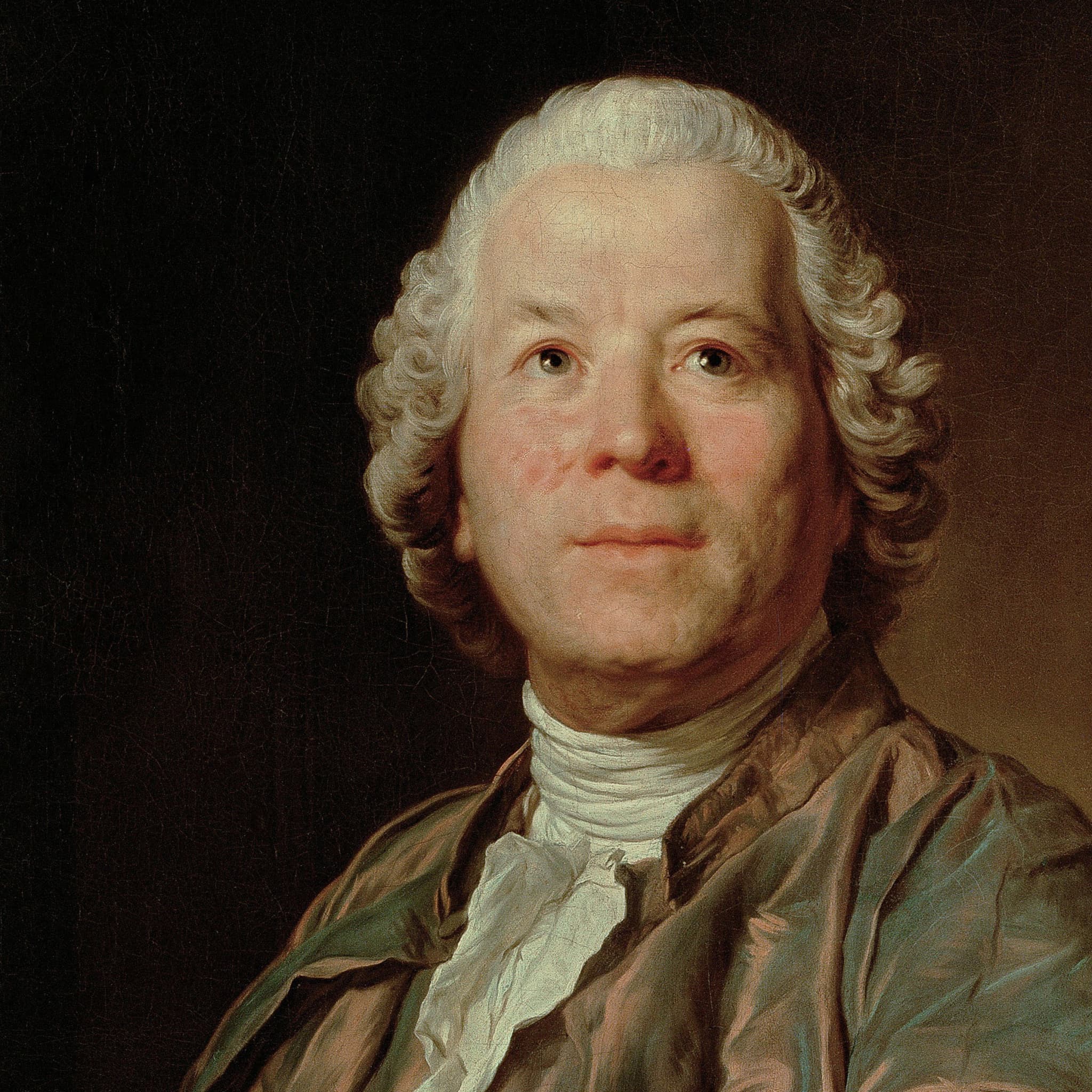




Gaetano Guadagni Gaetano Guadagni (1728–1792) played a crucial role in liberating opera from the rigid forms of the Baroque and imbuing it with the expressive power of the Age of Sensibility. His career reached its zenith in the 1760s and 1770s, an era of profound changes in taste, technique, and dramatic purpose. Guadagni embraced the new theatrical concepts of thinkers such as Algarotti, Diderot, and Calzabigi, but also proved himself a skilled tactician who knew how to use these modern developments to his advantage. His voice harmonized perfectly with the emotional style of the Age of Sensibility, and his natural acting was widely acclaimed.
Unlike many other castrati, Guadagni came from a family of musicians; his siblings were also opera singers. The decision to castrate him was a conscious one made by his parents, who were well-versed in the music world. Guadagni did not receive formal conservatory training, but was either taught at home by his father or gained experience in various choirs before embarking on his singing career. His journey took him from London and Dublin to Paris, where he was greatly admired at court as a castrato.
Guadagni developed his most famous artistic partnership in Vienna with Gluck, who nurtured his vocal potential and helped him achieve significant success in oratorios. Although Guadagni was initially close to Calzabigi and Gluck, the relationship deteriorated over time and eventually led to their separation. Nevertheless, he remains unforgettable, particularly for his portrayal of Orpheus, in which he convincingly embodied the dramatic innovations of Gluck and Calzabigi. Guadagni's musical career reflected the reform movements of his time and makes him an exemplary interpreter of his era.
His personality was multifaceted: Guadagni not only championed his colleagues, but he also sought dialogue with composers when he felt his vocal qualities were not sufficiently appreciated. His remarkable acting skills and expressiveness were highly valued, as was his commitment to artistic authenticity on stage. Even in Padua, Guadagni remained true to his musical passion and humanitarian commitment well into old age. As a castrato and opera singer, he set standards that continue to shape the interpretation of the music of his era.
[The sentence is incomplete in the original German text.]