Skip to content

Composer

Christoph Willibald Gluck

1714 — 1787

AboutChristoph Willibald Gluck

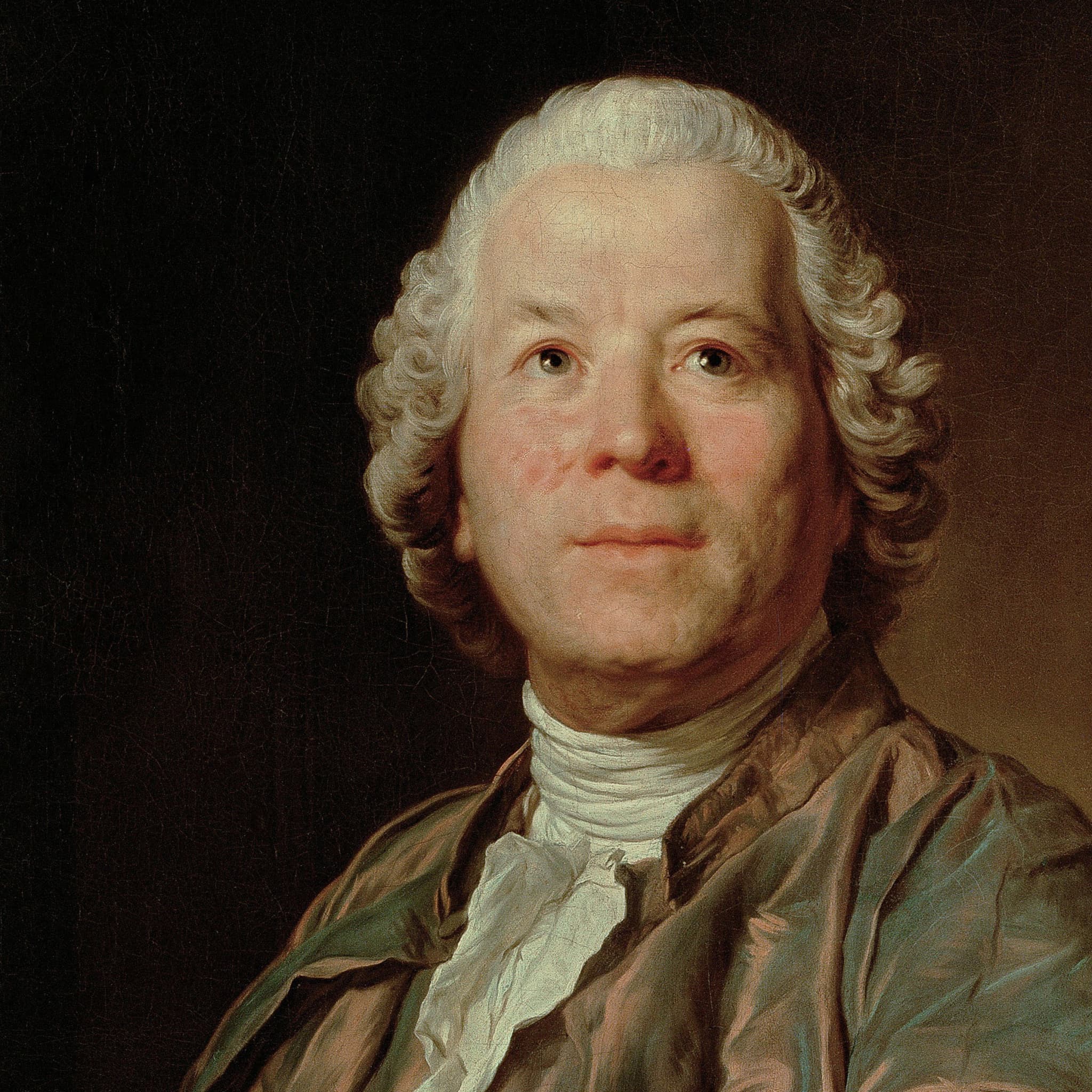
Without the reformer Christoph Willibald Gluck (b. July 2, 1714, Erasbach; d. Nov 15, 1787, Vienna), Baroque opera would have developed differently. Gluck acquired his musical foundations after brief studies in Prague and Vienna, learning from Giovanni Battista Sammartini in Milan. In the northern Italian metropolis, his first opera, "Artaserse," was successfully performed in 1741. Seven more stage works in the Italian style followed until 1745, after which the composer set off to travel across Europe. In London, he met Georg Friedrich Händel, and he toured many cities with the opera troupes of Pietro Mingotti and Giovanni Battista Locatelli before settling in Vienna in 1752. A period of consolidation followed, with work for various princely houses, including the Viennese court. In 1774, Christoph Willibald Gluck was appointed Imperial and Royal Court Composer. By then, he had already initiated his reform work. Disappointed by the formulaic nature of Italian opera and influenced by the Enlightenment's ideas, Gluck called for a new simplicity, truthfulness, and naturalness of emotion and action on stage, breaking with the clichés and exaggerated affects of opera seria. This sparked an international academic dispute, pitting the Gluckists against the Piccinists, who favored show opera and were named after Niccolò Piccini. Christoph Willibald Gluck composed several trio sonatas and symphonies, but above all, over 100 stage works, about half of which have survived. His most famous work became the reform opera "Orfeo ed Euridice" (1762), which perfectly encapsulated the new direction with a clearly structured plot focused on the stage characters and their emotions. Other frequently performed operas to this day include "Alceste" (1767), "Paride ed Elena" (1770), "Armide" (1777), and "Iphigénie en Tauride" (1779).

Comprehensive Guide to the World of Classical Music: Spotlight on Christoph Willibald Gluck

Step into the fascinating world of classical music with renowned composer Christoph Willibald Gluck. Born in the Upper Palatinate and raised in Bohemia—both regions of the Holy Roman Empire—Gluck rose to prominence at the Habsburg court in Vienna, where he revolutionized operatic dramaturgy. His influential Italian and French operas like Orphée et Eurydice, and Alceste revolutionized operatic practices in the 18th century.

Christoph Willibald Gluck: Composer and Opera Reformer

Gluck's series of radical works in the 1760s, including Orfeo ed Euridice and Alceste, challenged the dominance of Metastasian opera seria by introducing greater dramatic cohesion, simpler recitative, and the elimination of lengthy da capo arias. His later operas are notably shorter, typically half the length of traditional Baroque operas.

Famous Works and Performances

Gluck’s legacy is anchored in his “reform operas,” which profoundly influenced the development of opera. Notable among these are Orfeo ed Euridice, a foundational work of Gluck’s reform, celebrated for its emotional depth and dramatic unity, and Alceste, which further cemented Gluck’s reputation as a reformer, with a focus on dramatic truth and musical clarity. Iphigénie en Tauride, widely regarded as Gluck’s masterpiece, was a triumph in Paris and remains a staple of the repertoire.

Contemporary Celebrations and Reinterpretations

Recent performances and recordings by leading artists and ensembles have showcased Gluck’s enduring appeal. Productions like Gardiner conducting Gluck: Orphée et Eurydice, Gardiner conducting Gluck: Alceste, and Christie conducting Gluck: Iphigénie en Tauride often feature world-renowned orchestras and conductors, underscoring Gluck’s continued relevance in classical music.

Dive into the transformative era of classical music with composer Christoph Willibald Gluck, who brought about practical reform in opera's dramaturgical practices. Explore his high-impact works such as Orphée et Eurydice and Alceste on STAGE+.