Skip to content
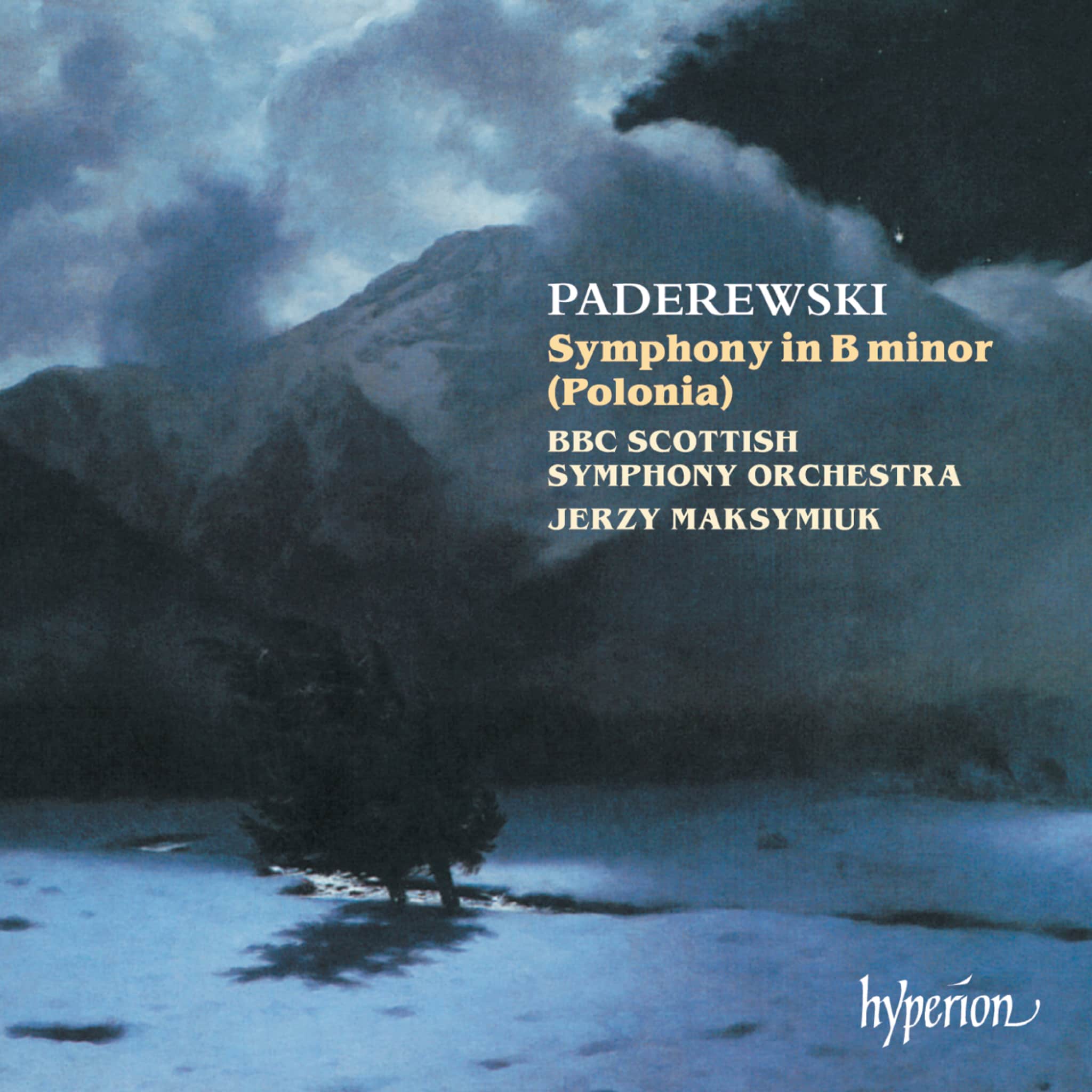
Moszkowski & Paderewski: Piano Concertos (Hyperion Romantic Piano Concerto 1)

Moszkowski & Paderewski: Piano Concertos (Hyperion Romantic Piano Concerto 1)

Piers Lane, BBC Scottish Symphony Orchestra, Jerzy Maksymiuk

Duration73 Min

Album insights

In 1817, the twenty-year-old Schubert saw new opportunities opening up. He had abandoned his teaching job at his father's school and moved into the lavish Viennese home of his friend Franz von Schober. Schubert left his studies with Antonio Salieri due to disagreements over the avoidance of the German language. Despite Salieri's attempts to steer him towards an Italian style, Schubert had composed about 250 songs in the years 1815 and 1816. Thanks to baritone Johann Michael Vogl, Schubert's fame in Vienna quickly spread. In 1817, his pace of composing songs slowed as he also delved into the challenge of composing piano sonatas.

Having left two sonatas as fragments in 1815, Schubert returned to this genre with renewed enthusiasm in 1817. He was inspired by the high-tech six-octave piano at Schober's house. Schubert aimed to establish himself as a composer in serious instrumental genres. Though not a virtuoso pianist, Schubert sought to publish sonatas for the flourishing amateur market. He composed three sonatas in 1817, hoping for immediate publication, which did not materialize due to his relative obscurity with publishers.

Schubert's first completed piano sonata, Sonata in A Minor, D537, showcased a blend of classic tradition and a romantic-subjective style. The tonal adventures continued throughout the work, shifting between major and minor keys. The sonata reflected Schubert's lyrical expression, notably in the second movement, a leisurely rondo in E Major. The finale, starting with an impressive A Minor scale and transitioning into lively sociality, displayed Schubert's unique style with bold modulations and pauses.

Despite declining health, Schubert continued his social life and work fervently until September 1828. In the months leading to his death, he completed four visionary masterpieces including the String Quintet in C Major and three major piano sonatas - D958, D959, and D960. While influenced by Beethoven, Schubert's compositions displayed distinct characteristics, embodying a blend of pathos, humor, and joy.

Schubert's final piano sonatas, particularly the B-Flat Major Sonata D960, exuded an otherworldly aura. Not solely a somber farewell, these sonatas represented Schubert's emotional depth and musical legacy. Despite Beethoven's towering influence, Schubert's contributions to the sonata tradition stood out with their lyrical extravagance and emotive depth. Through bold harmonic shifts and thematic connections, Schubert showcased his unique musical voice in contrast to Beethoven's more concise style.

Schubert's Sonata in A Minor, D537, commenced with an orchestral call, transitioning into a leisurely pace with harmonically rich landscapes. The development section showcased Schubert's melodic ingenuity while maintaining tonal ambiguity. Thematic connections between movements highlighted Schubert's artistic coherence and imaginative piano writing.

Schubert's late slow movements, such as the Andantino in D959, explored extreme contrasts in tranquility and turbulence. The ominous beginning evolved into a turbulent nightmare, revealing Schubert's ability to evoke profound emotions through music. Alfred Brendel aptly described this movement as a nerve-wracking collapse, showcasing a darker facet of Schubert's musical persona.