


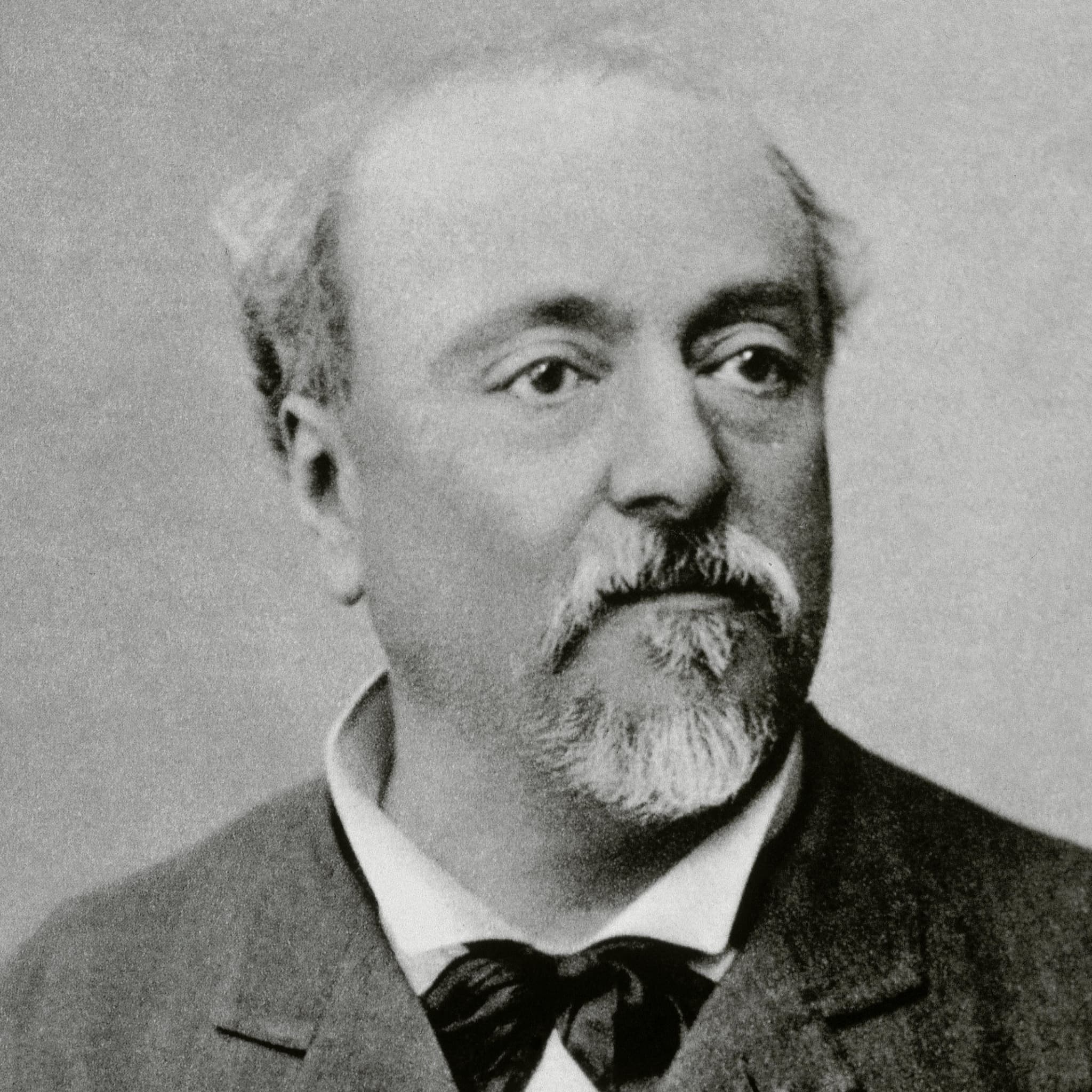
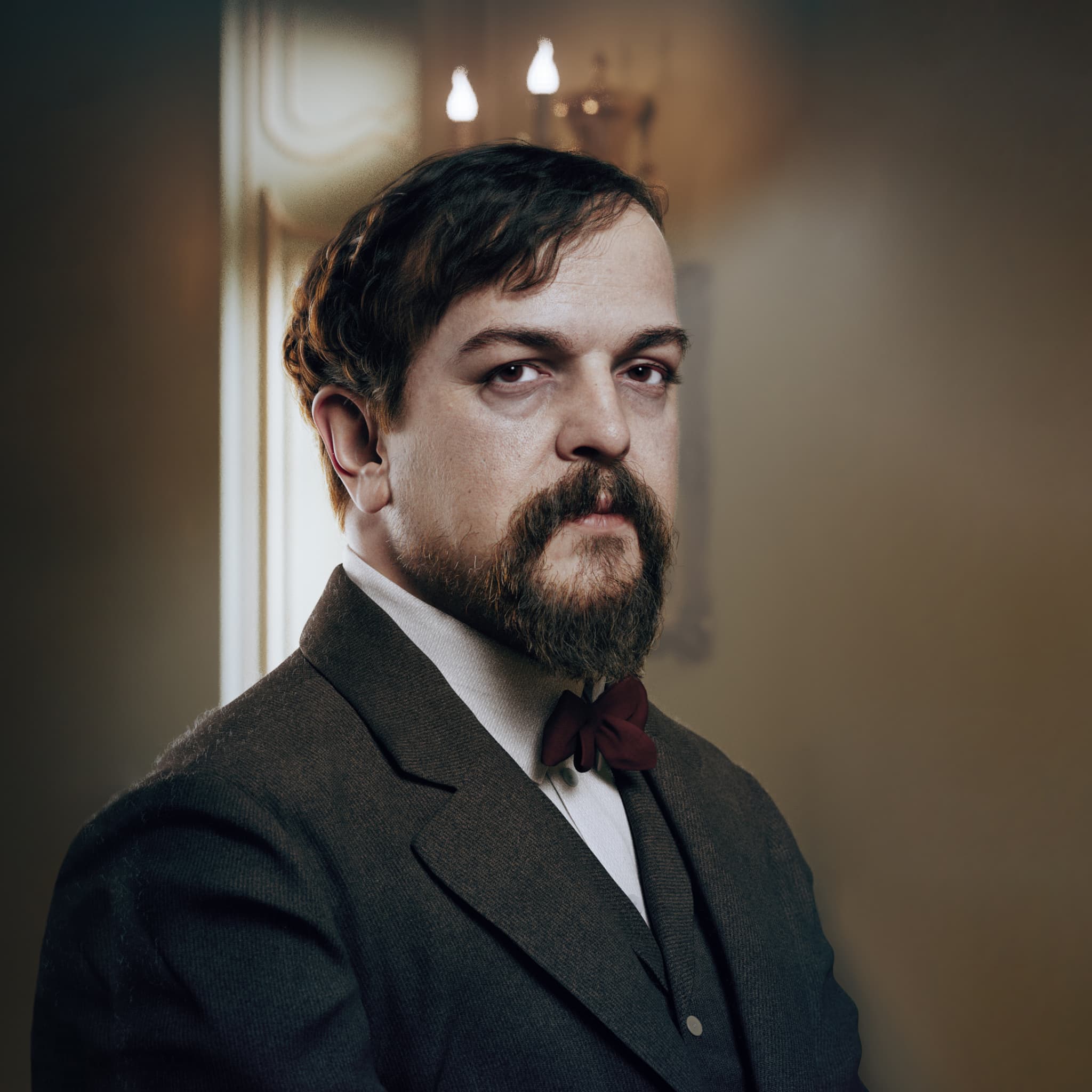
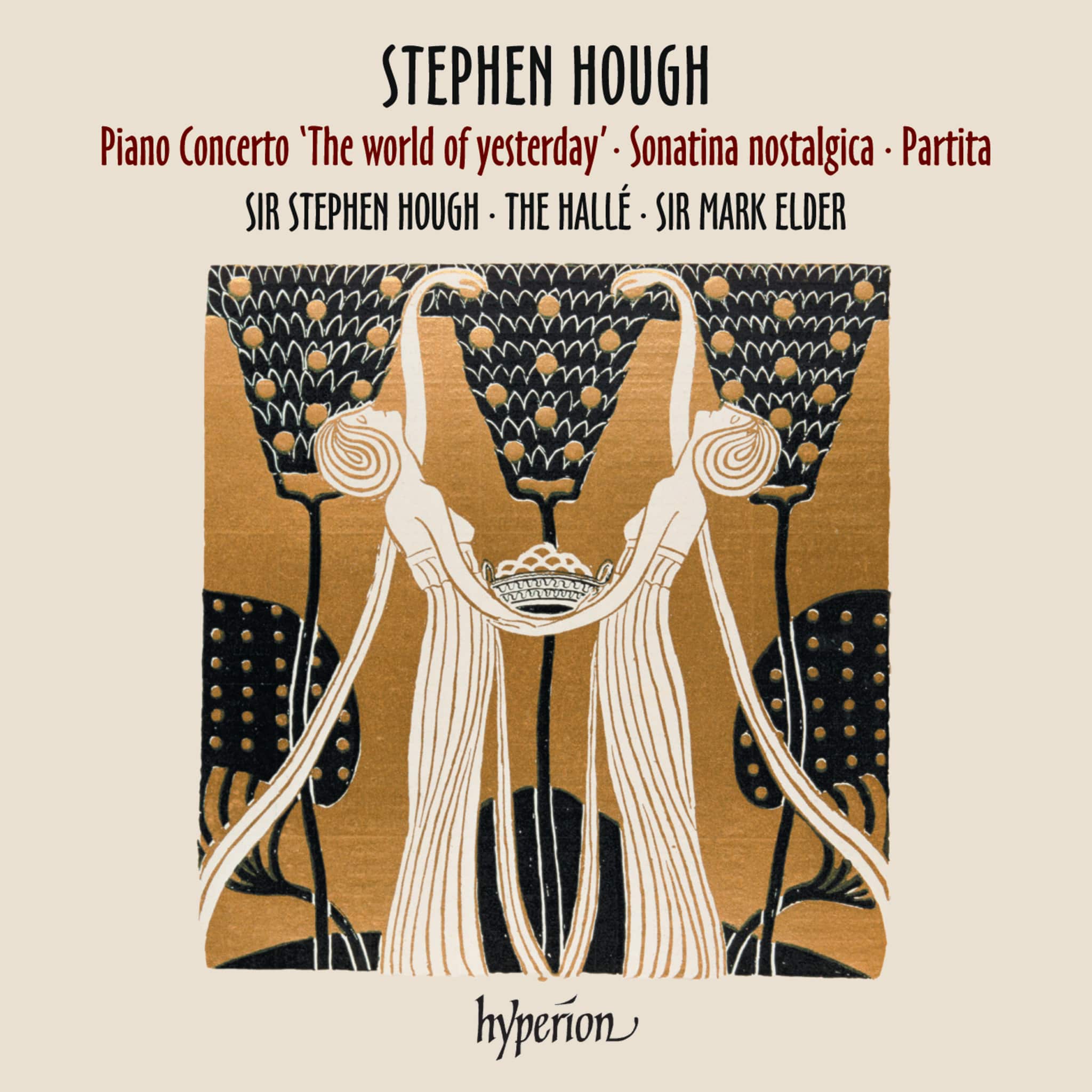

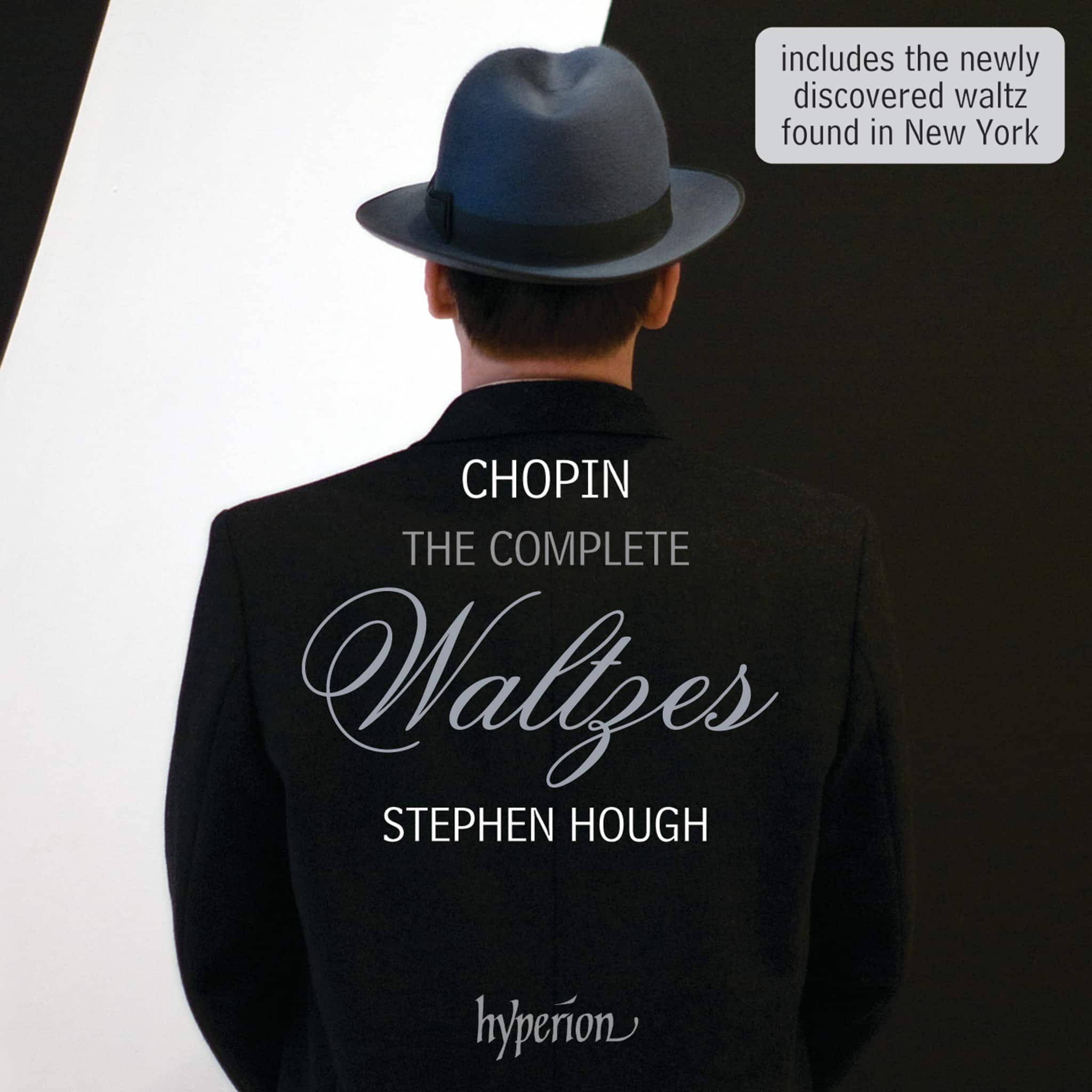

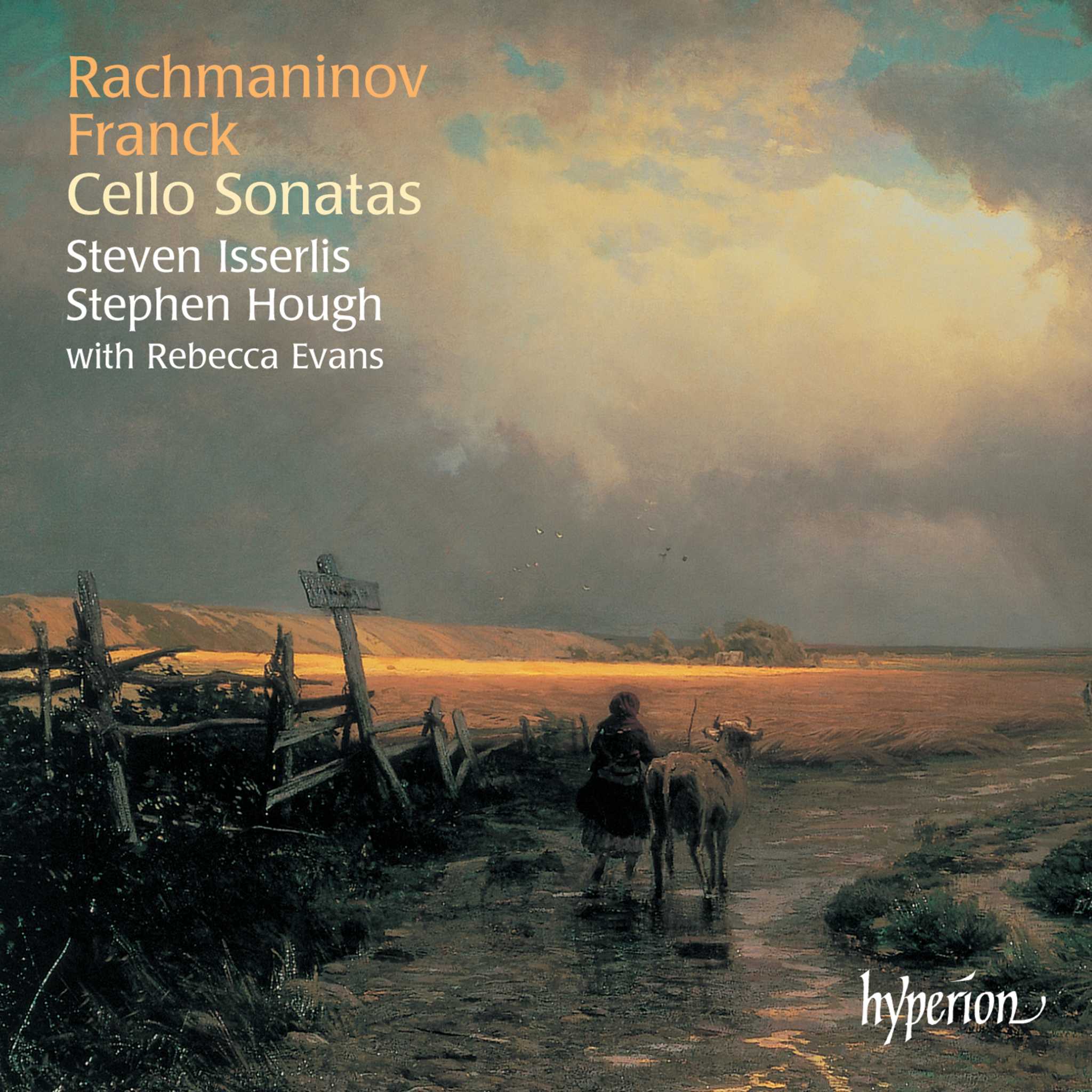


Francis Poulenc compares his affection for Chabrier to the relationship with a benevolent father whose pockets are always full of surprises. In difficult times, he finds solace in Chabrier's music. Stephen Hough, in turn, characterizes his latest piano album as a selection of French music reminiscent of a musical dessert trolley.
Alfred Cortot, the Swiss pianist, is known for his straightforward approach to classical works. His interpretations of Gabriel Fauré's Nocturnes and Barcarolles illustrate his broad expressive range. With his transcriptions, Cortot succeeds in preserving the monumental structure of the original works. Fauré's Fifth Barcarolle, which captivates with its restlessness and dramatic development before the gentle coda, is particularly noteworthy.
Fauré's Huit Pièces brèves underscore his capacity for improvisation, while Ravel's Alborada del gracioso captures Spanish color. Hough's arrangement features Jules Massenet's Crépuscule, inspired by a ballet. Although Chabrier's works occasionally receive little attention, they have captivated artists such as Ravel and Poulenc.
With Poulenc's Mélancolie and Nocturne, Fauré's Nocturne, and Ravel's Alborada del gracioso, a wide range of moods and styles unfolds. The program is complemented by Delibes' Sylvia and Liszt's Réminiscences de "La juive"—each piece tells its own story and impresses with its individual musical expression.