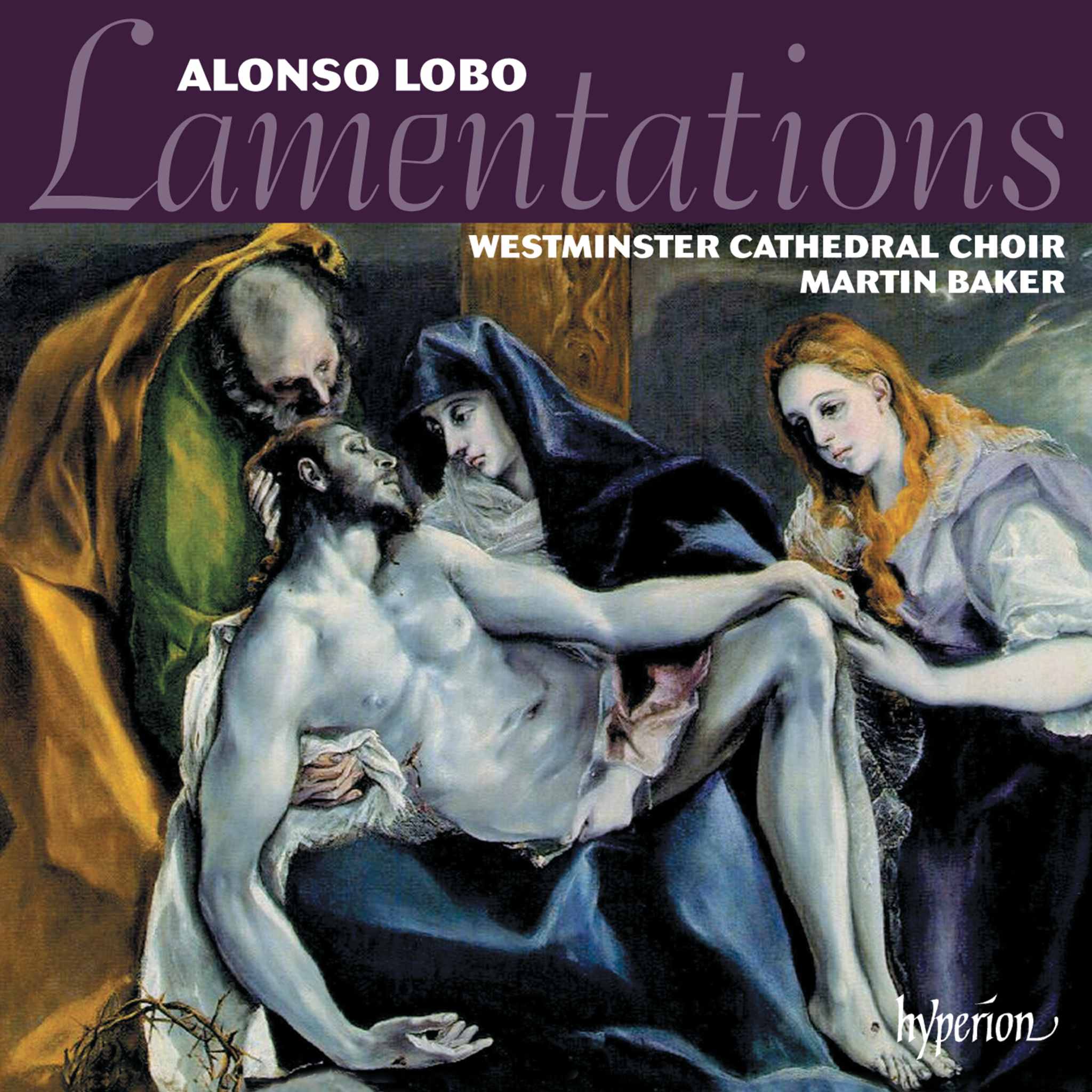
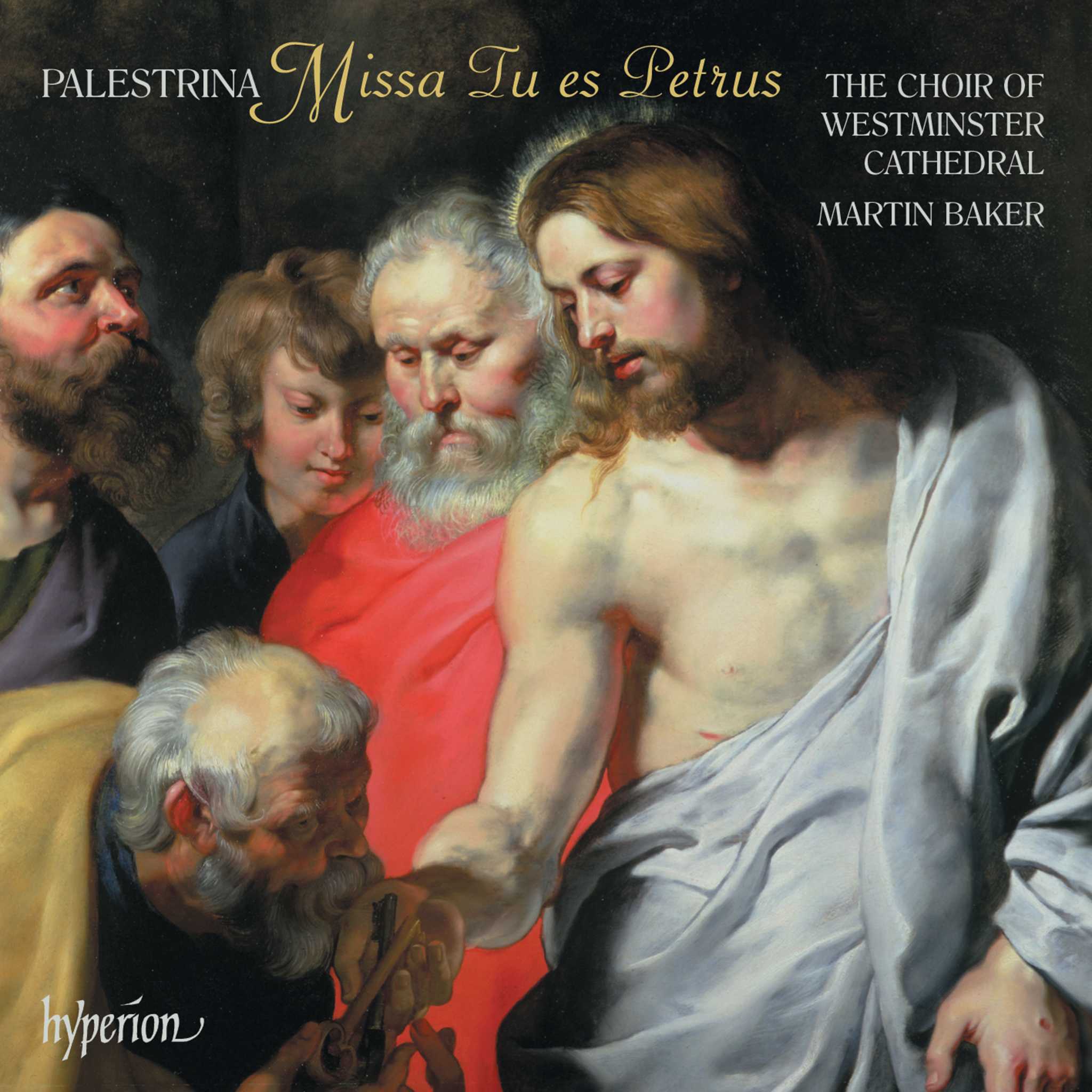
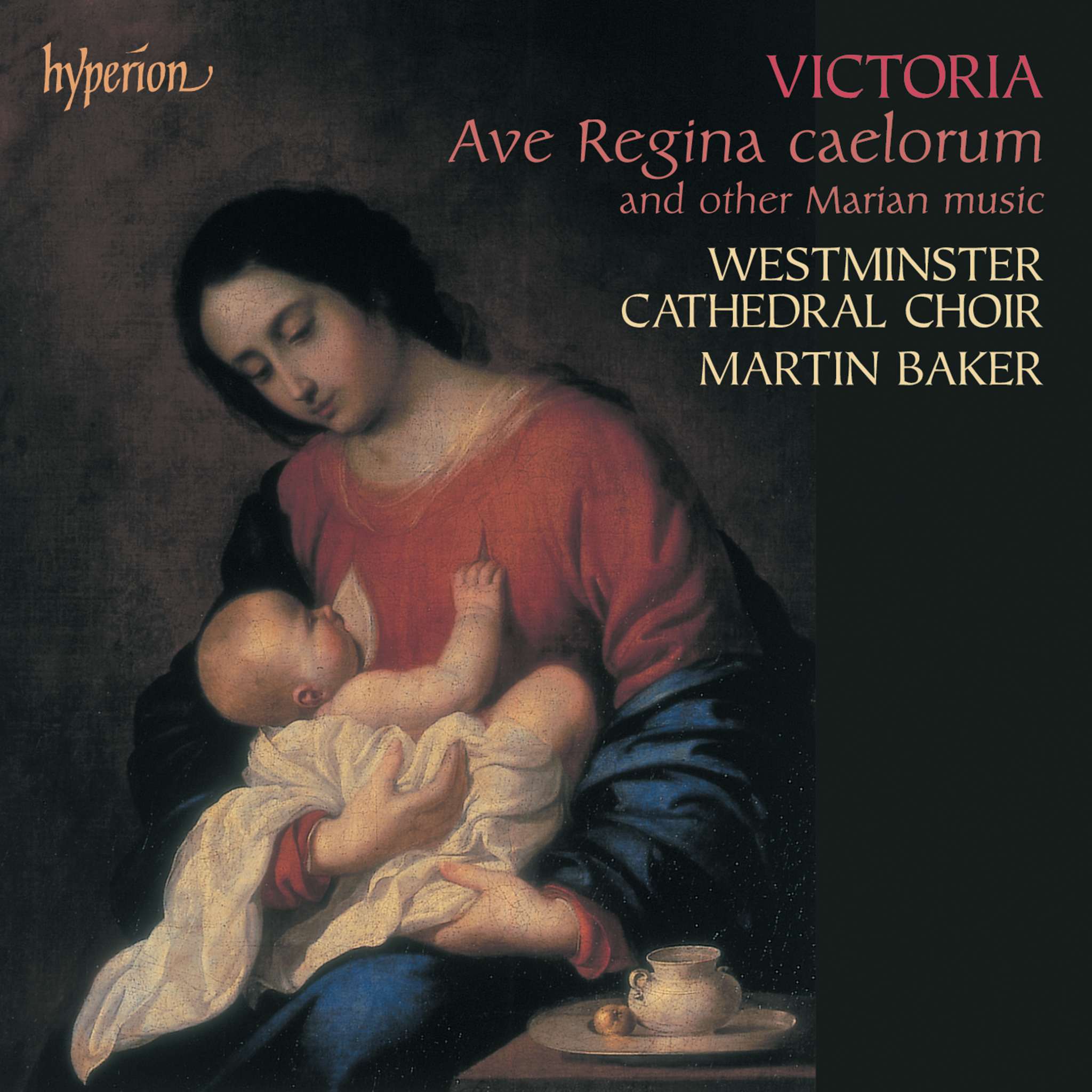
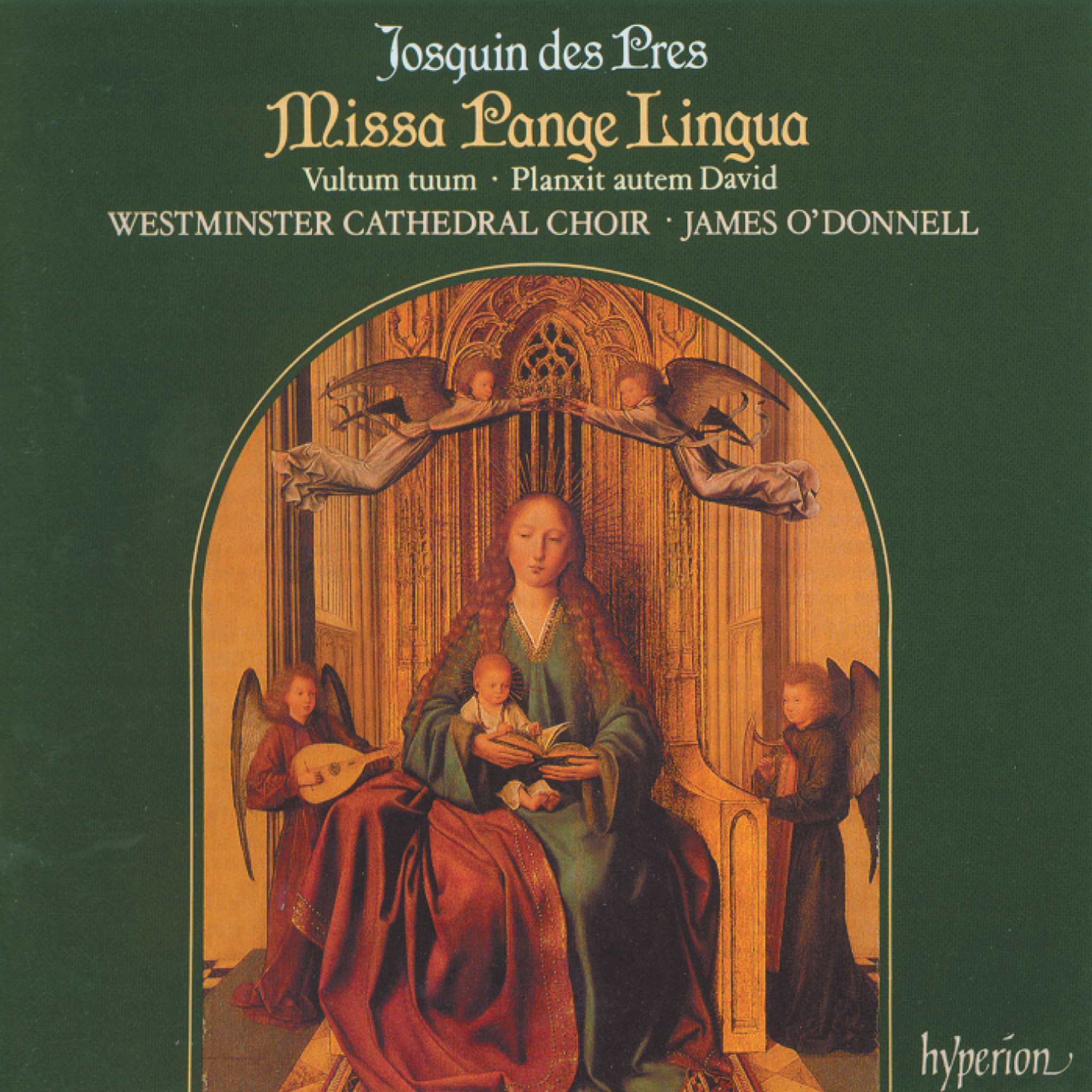
A "musical pioneer" and "passionate visionary" were crucial to the musical tradition at Westminster Cathedral. Richard Runciman Terry, whose tenure as Music Director from 1902 to 1924 is legendary, revolutionized liturgical polyphony. The musical direction Terry conceived for London's new Roman Catholic cathedral remains largely unchanged to this day. Gregorian chant and Renaissance polyphony form the foundation of the sung liturgy at Westminster. The combination of a modern house of worship with centuries-old music is remarkable. What was once considered eccentric is now recognized as a visionary achievement.
The liturgical year fundamentally shapes the musical landscape at Westminster Cathedral. From the soundscape of Advent to the magnificent Epiphany liturgy, the changing seasons are reflected. The musical interpretation of the texts creates metaphorical depth and conveys both festivity and anticipation. Composers such as Victoria, Byrd, Lassus, and Palestrina significantly influenced the late Renaissance repertoire. Monteverdi skillfully blended various musical currents of his time.
From its earliest years, Westminster Cathedral has cultivated not only a fascination with historical vocal works but also a connection to contemporary music through targeted commissions. The magnificent organ, a masterpiece by Henry Willis III and inaugurated by Marcel Dupré, enriches the cathedral's musical diversity with impressive tonal colors and inspiring improvisations.


