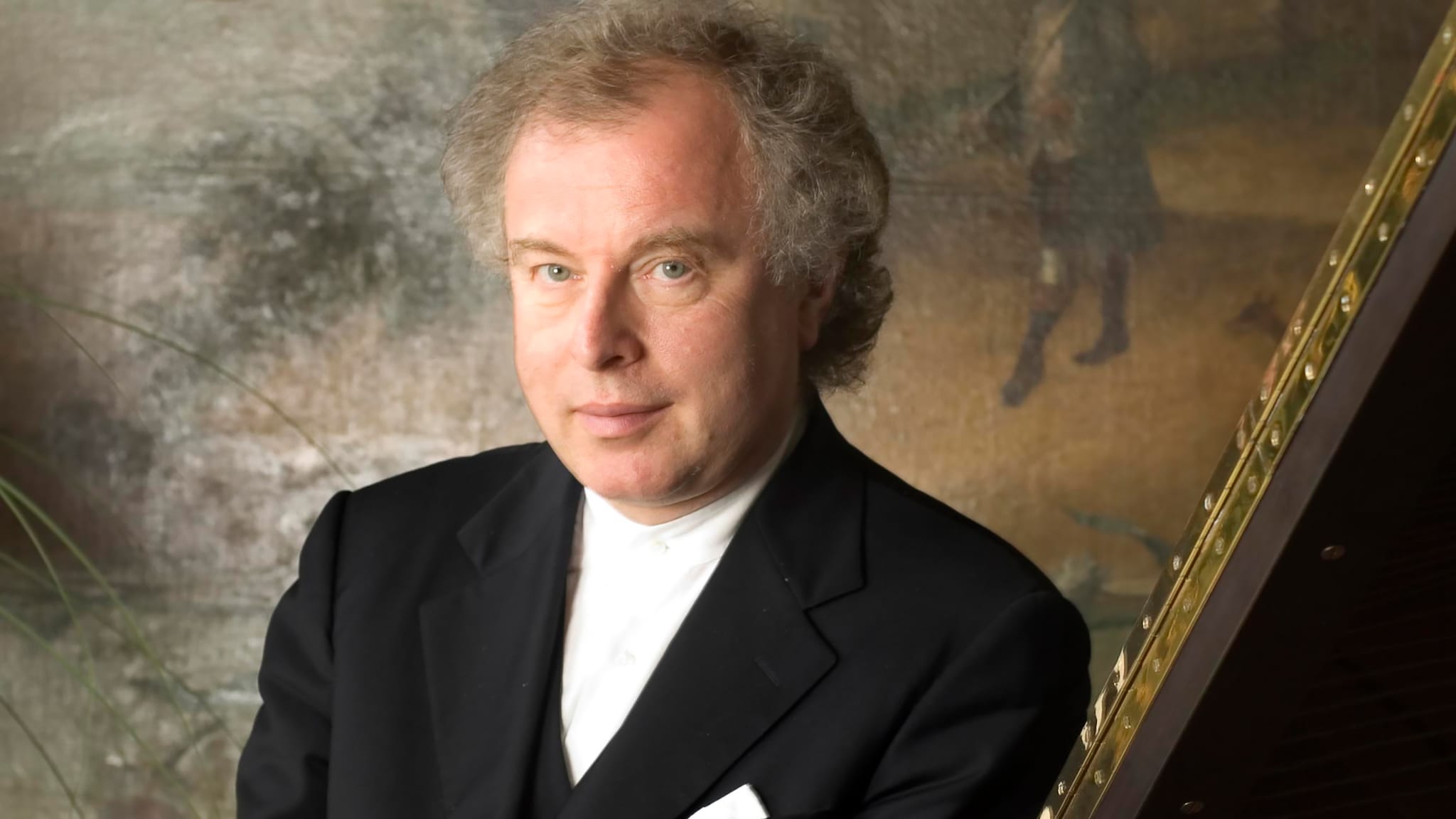
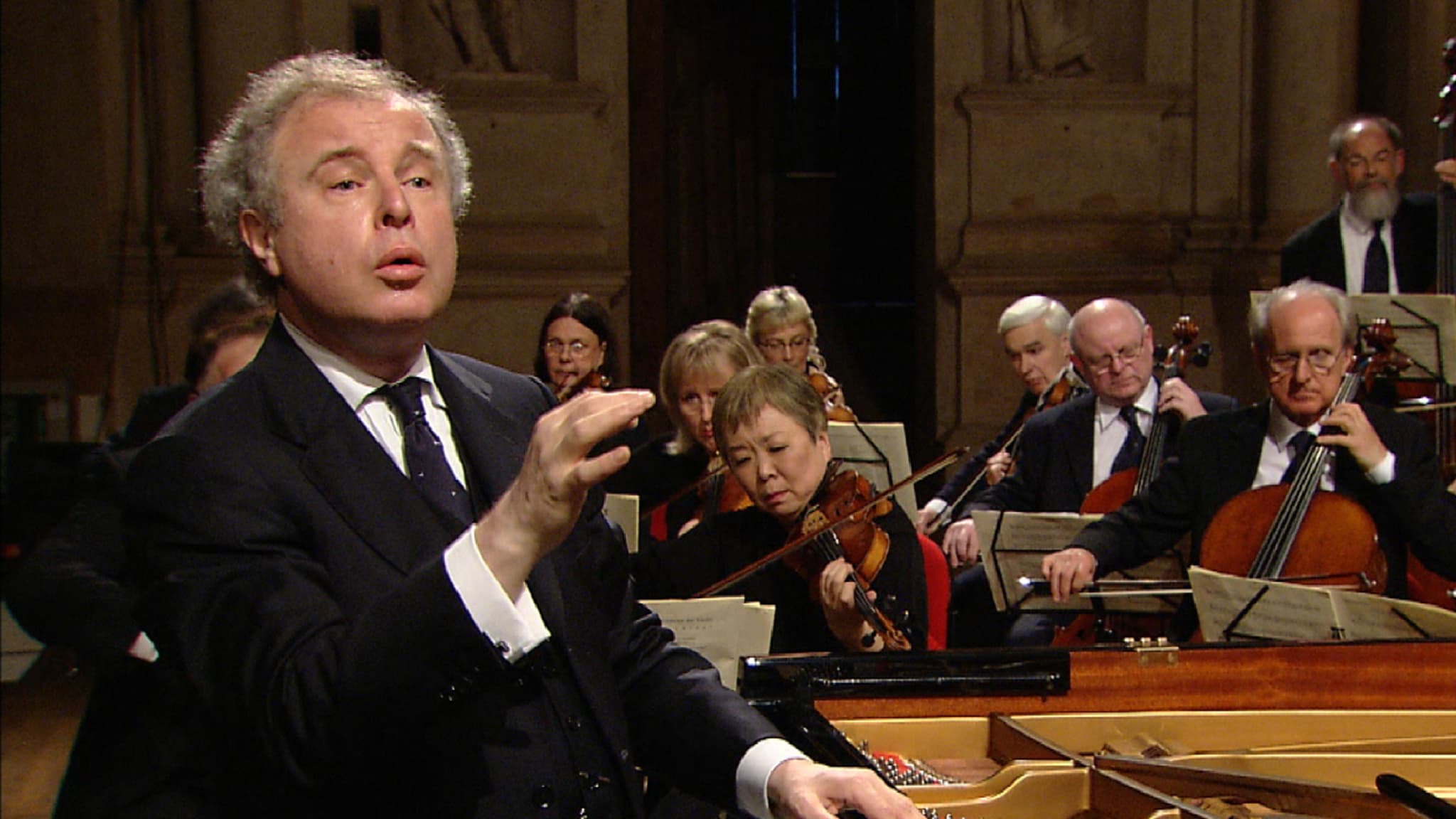
Following his groundbreaking recording of major piano works by Johann Sebastian Bach, the leading contemporary Bach interpreter now turns to the composer's preferred instrument. András Schiff describes the clavichord as an entrance to "a new world, a tranquil oasis." Schiff explains that the clavichord allows him to interpret and hear Bach differently. This intimate and personal instrument—"a very gentle instrument, perfect for solo playing"—can, according to Schiff, also be a demanding and rigorous teacher. "With the clavichord, we have only our fingers at our disposal, which must shape the music with the subtlest nuances of touch." To get closer to the sounds of Bach's era and to showcase the clavichord's "singing quality," early keyboard works are highlighted. The recording begins with the Capriccio sopra la lontananza del fratro dilettissimo, continues through Inventions and Symphonies, and concludes with a remarkable interpretation of the Chromatic Fantasia and Fugue. For this first clavichord recording, Schiff uses a reconstruction of a Specken instrument from 1743, made by the Belgian craftsman Joris Potvlieghe. The album, recorded in the chamber music hall of the Beethoven House in Bonn, was produced by Manfred Eicher.