












Samuel Barber: Expressiveness Beyond Boundaries
Samuel Barber stands out as one of the most expressive and influential American composers of the 20th century, acclaimed for his mastery of lyricism and rich Romantic sensibilities. While often remembered for the iconic Adagio for Strings, Barber’s oeuvre is remarkably broad, spanning orchestral, chamber, vocal, and operatic music.
The Early Life and Influences of Samuel Barber
Born in Pennsylvania in 1910, Barber demonstrated prodigious musical talent from childhood, composing his first piece at age 7 and attempting his first opera at 10. At 14, he was among the first students to enroll at the Curtis Institute in Philadelphia, where he studied piano, voice, and composition. Barber’s style favored classical and Romantic harmonies, with less emphasis on jazz or Stravinsky-like neoclassicism. He had a long personal and professional partnership with composer Gian Carlo Menotti, who provided libretti for several of Barber’s operas. Barber was awarded two Pulitzer Prizes and the American Prix de Rome.
Barber's Acclaimed Works: A Glimpse
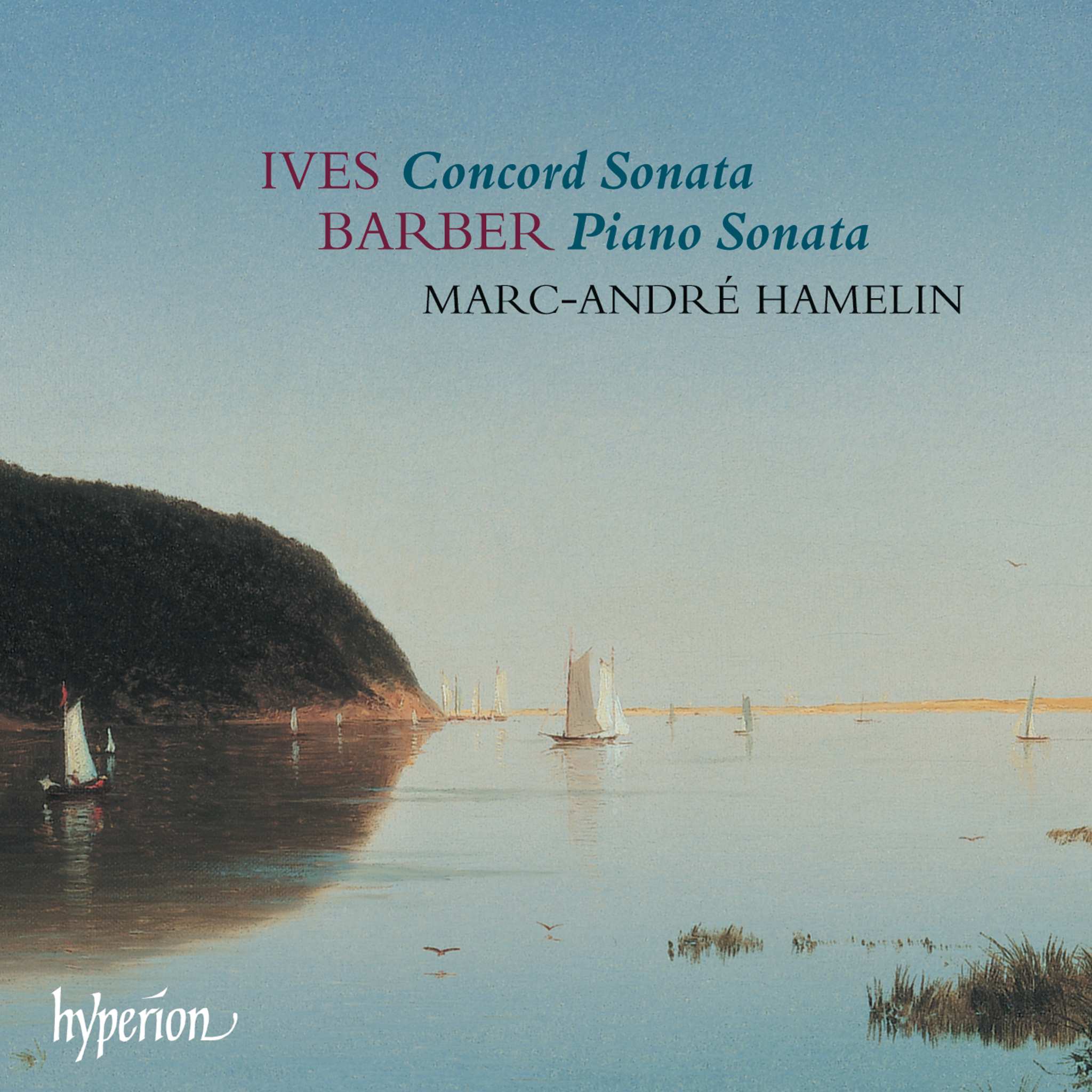
Barber's work is vast and varied, encompassing orchestral pieces, chamber music, vocal compositions, and operas. His most famous piece, the emotionally resonant Adagio for Strings, was premiered by Toscanini in 1938 and remains one of the most recognizable pieces of classical music. His String Quartet, Op. 11 is notable as the slow movement became the Adagio for Strings.
Barber's concertos, including his Violin Concerto and Cello Concerto, are praised for their lyricism and technical demands. His operas, such as Vanessa and A Hand of Bridge, for which Gian Carlo Menotti provided the libretti, and Antony and Cleopatra, with a libretto adapted from Shakespeare’s play, are significant contributions to the genre.
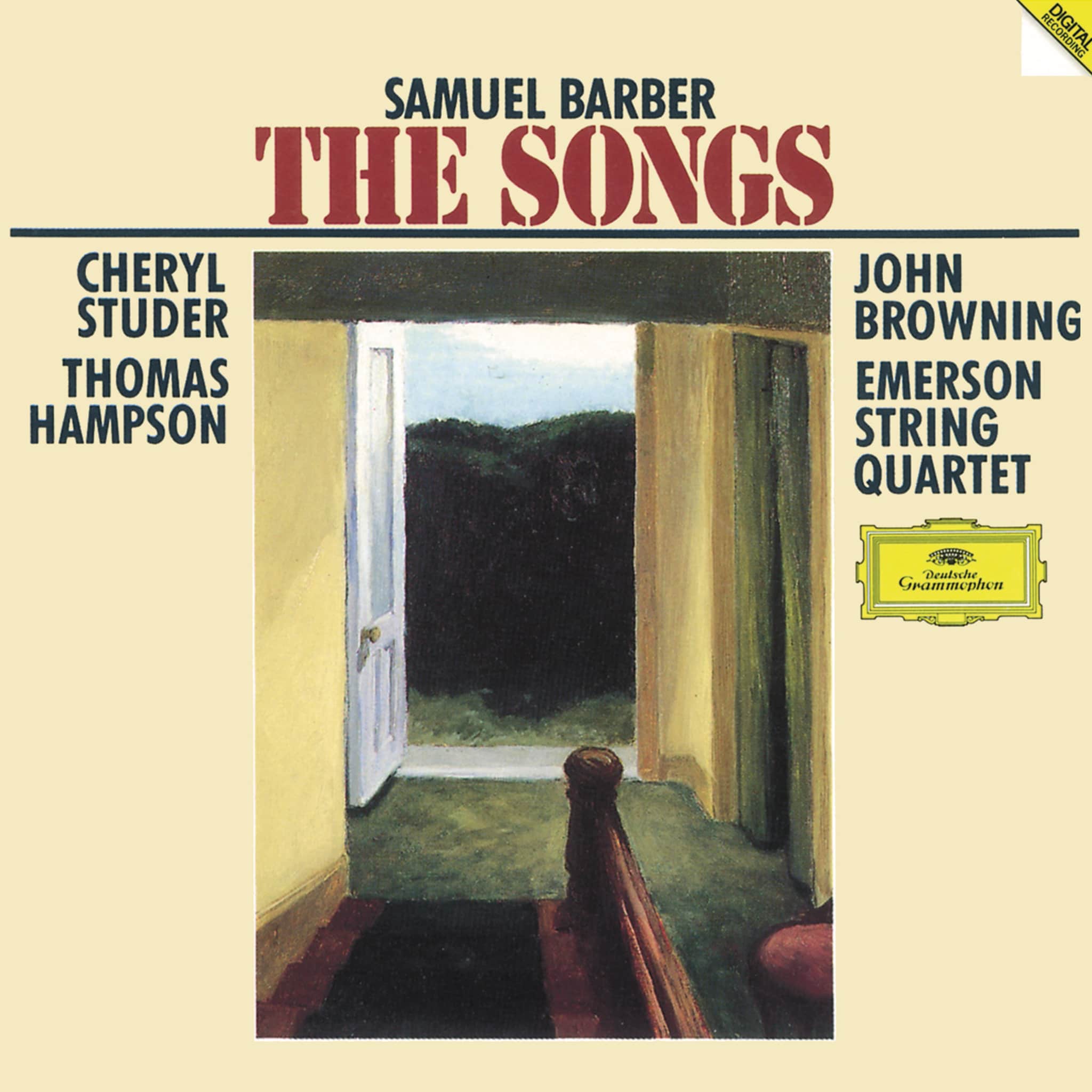
Barber's vocal work Dover Beach is for baritone and string quartet, showcasing his talent for setting text to music. While Barber is noted for his vocal music, it does not comprise the majority of his total output.
Samuel Barber's Legacy in American Music
Samuel Barber's influence on American music is profound. His ability to integrate contemporary American sound forms into classical and romantic harmony set him apart from his contemporaries and marked him as one of the most important tonal composers of the 20th century. His works continue to be performed on stages around the world, including prestigious venues like the Lincoln Center and the Metropolitan Opera.