
Concerts and Operas


Albums




Appears On




AboutThomas Quasthoff

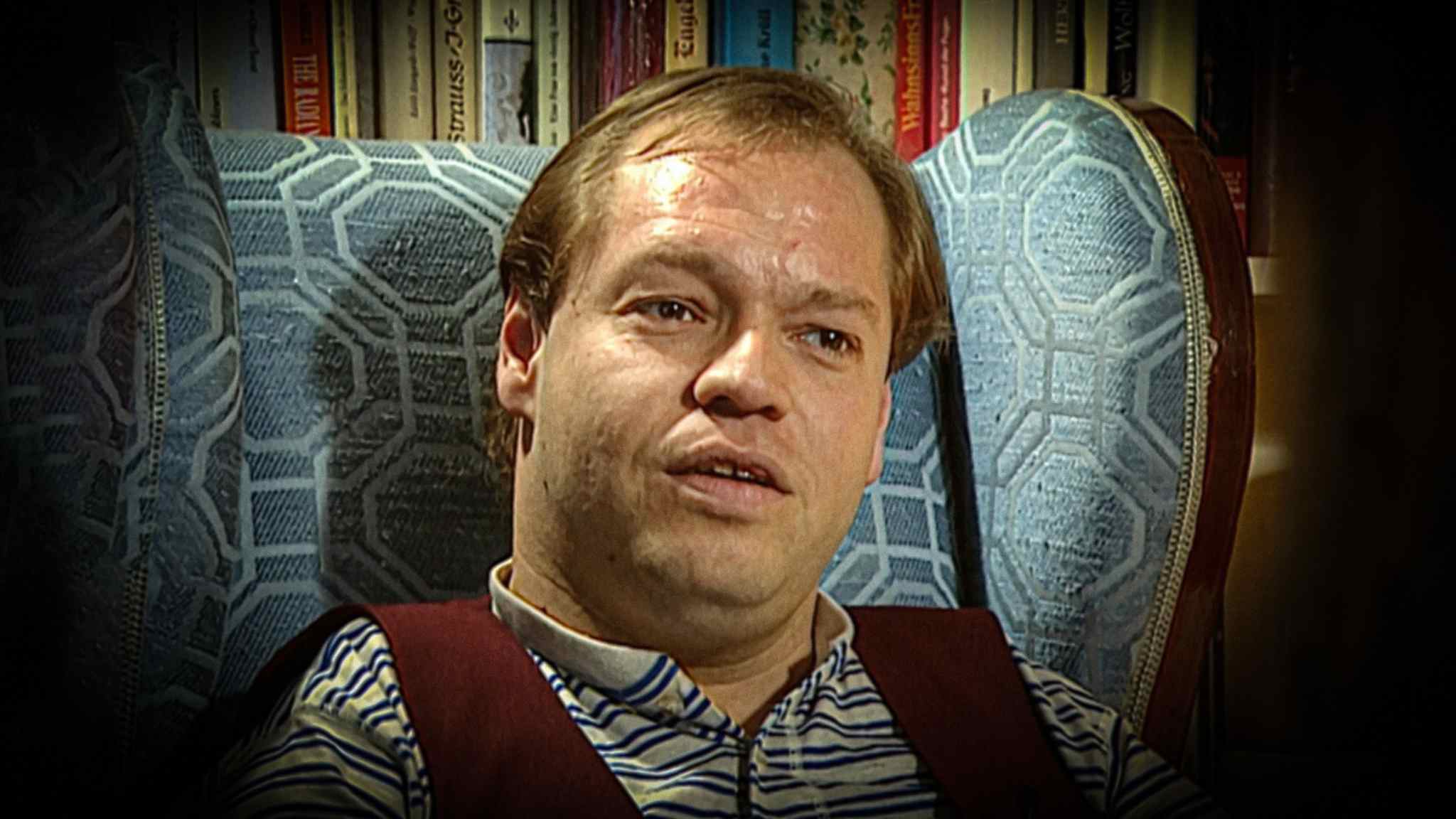
Thomas Quasthoff is one of the most renowned bass-baritones in the world. His interpretations of lieder, in particular, are groundbreaking. With his full-bodied, narrative voice, meticulously crafted down to the nuances, he has set standards in works by Schubert, Brahms, Liszt, Schoenberg, and many other composers. He has performed in all major concert halls, from Carnegie Hall to the Berliner Philharmonie, with the most prestigious international orchestras and conductors.
Thomas Quasthoff has illuminated almost every niche of the repertoire with his voice. On stage, he has appeared as the Minister in Beethoven's Fidelio and as Amfortas in Wagner's Parsifal, among other roles. Among his numerous releases as an exclusive artist for Deutsche Grammophon are Bach cantatas, Haydn arias, Schubert's Winterreise and Die schöne Müllerin, as well as the great lied repertoire of the Romantic era. Quasthoff ventured into Mozart's world of arias and was celebrated as a jazz singer, recording "The Jazzalbum" with trumpeter Till Brönner and later the album "Tell It Like It Is" with his band, moving between soul, rhythm & blues, and pop. Quasthoff's recordings have received a total of three Grammy Awards and six Echo Klassik awards; he was also awarded the Grand Cross of the Order of Merit of the Federal Republic of Germany.
Quasthoff has written about his career, his thalidomide-induced disability, and his views on music in two autobiographies ("Die Stimme" and "Der Bariton"). His life was also documented in the film "The Dreamer." Quasthoff, born in Hildesheim in 1959, recounts his childhood, where he was rejected as a student at the Hanover University of Music due to his disability, his father who encouraged him to sing in the church choir, and his not-so-easy path to the world's concert stages. "It might sound strange to many people," the singer says about his own life, "but I consider myself lucky. Many things in my life didn't work out immediately, but I never passively accepted a 'no'."
Quasthoff's expressive power is certainly also shaped by his versatility and his interest in social and political developments. He initially began studying law and worked as a radio presenter for NDR, where he also performed as a voice imitator. His breakthrough began in 1984 as the bassist in Louis Spohr's Die letzten Dinge and with his victory at the ARD International Music Competition in 1988. For Thomas Quasthoff, music is more than entertainment – it is an expression of our time, its longings, fears, and joys.
Thomas Quasthoff's career has been accompanied by his commitment to fostering young talent. In addition to his work as a professor, he organizes his own singing competition and repeatedly intervenes critically in the debate against the trivialization of music. For Deutsche Grammophon, he recorded a CD in the "Der kleine Hörsaal" series, in which he explains Schubert's Die schöne Müllerin to children.
In early 2012, Quasthoff announced his retirement as a singer. However, he remains true to singing and art. He continues to teach as a professor at the Hanns Eisler School of Music in Berlin, performs cabaret programs (including with Michael Frowin and Jochen Kilian), narrates works such as Peter and the Wolf, appears as a speaker and reciter at concerts (including as Bassa Selim in The Abduction from the Seraglio with Rolando Villazón in Baden-Baden), and hosts "Thomas Quasthoff's Night Talks" at the Konzerthaus Berlin.
With his album "Mein Weihnachten," another recording by Thomas Quasthoff will be released by Deutsche Grammophon in autumn 2014, on which he sings his personal favorite US Christmas songs with great swing and recites German poems.
10/2014