
Concerts and Operas
Albums
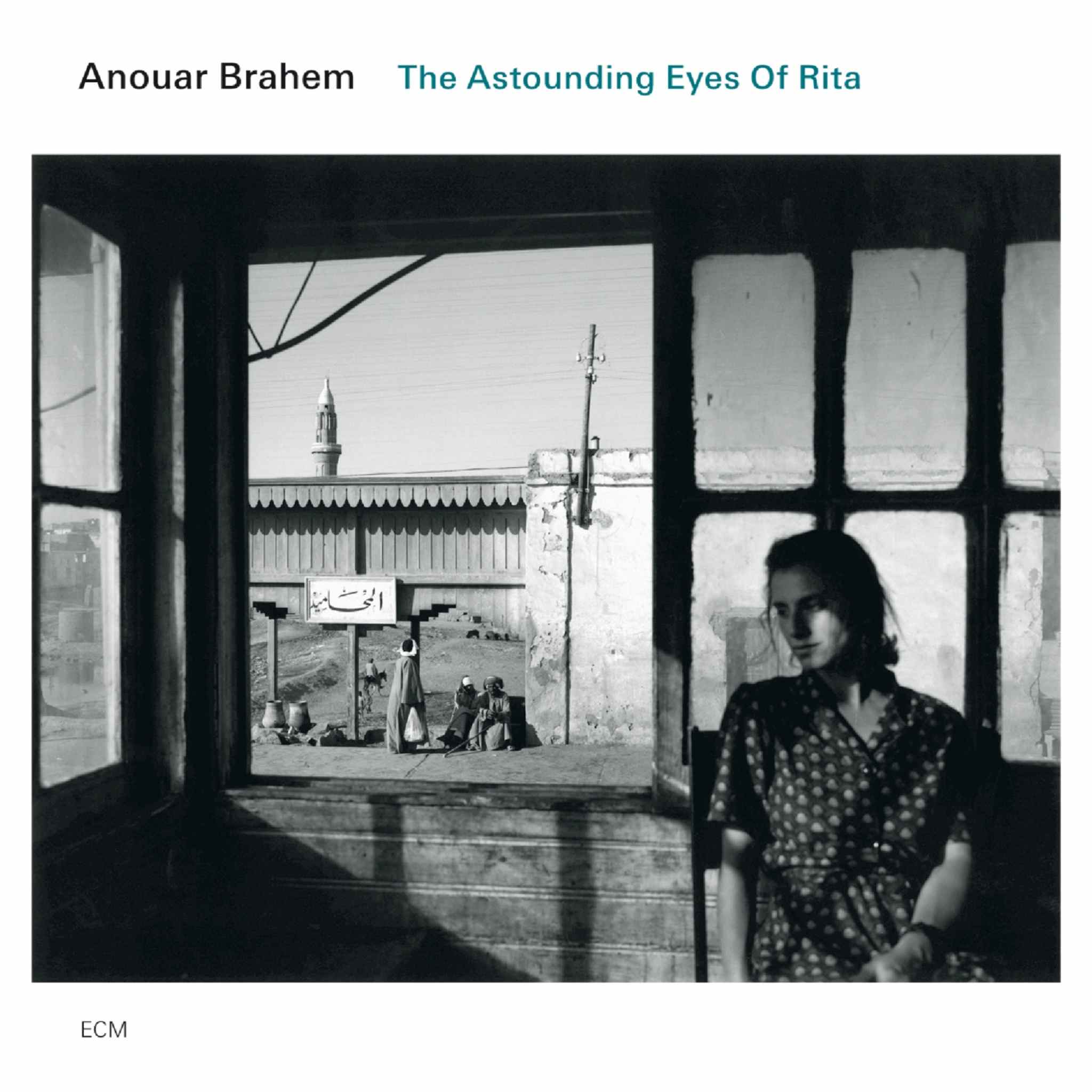
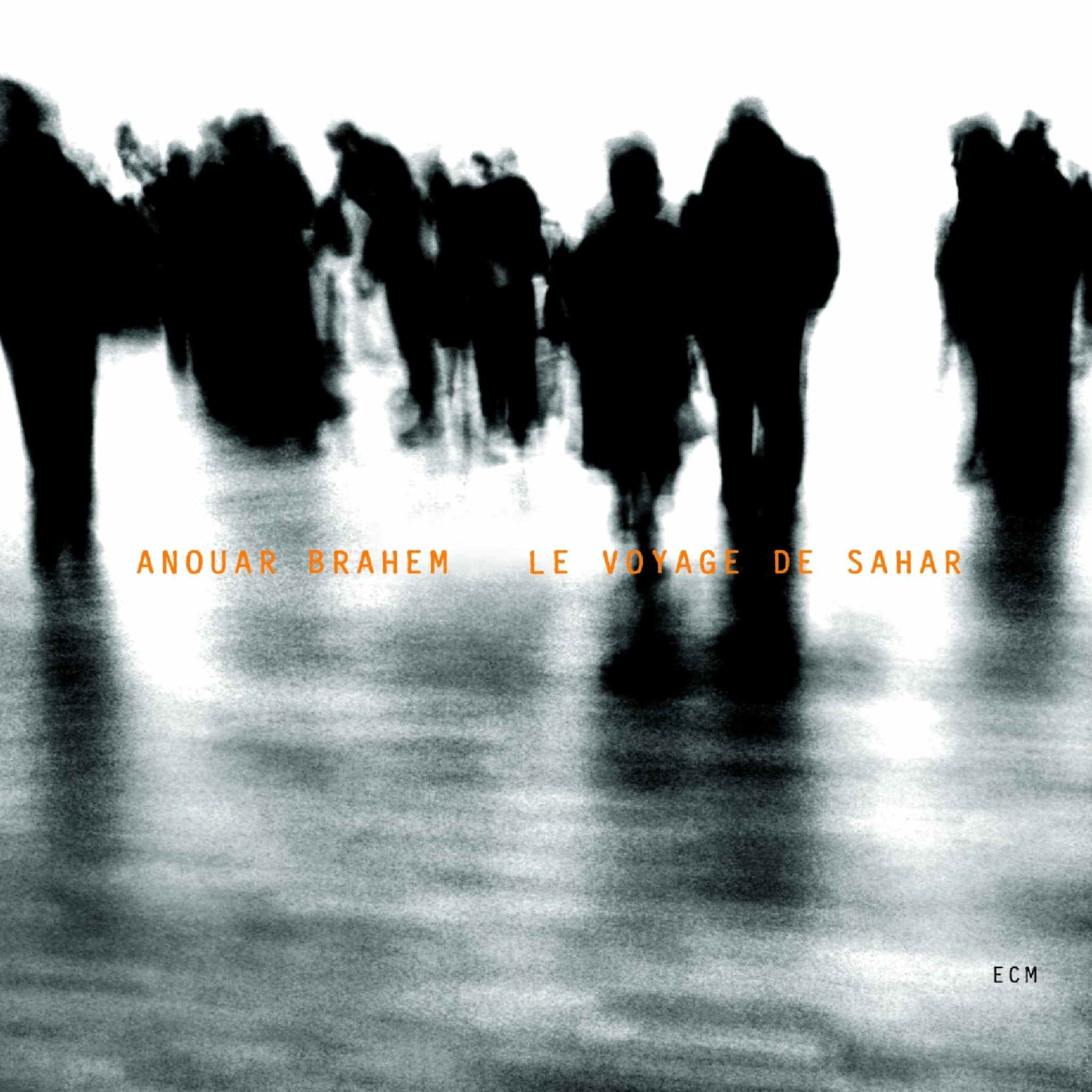
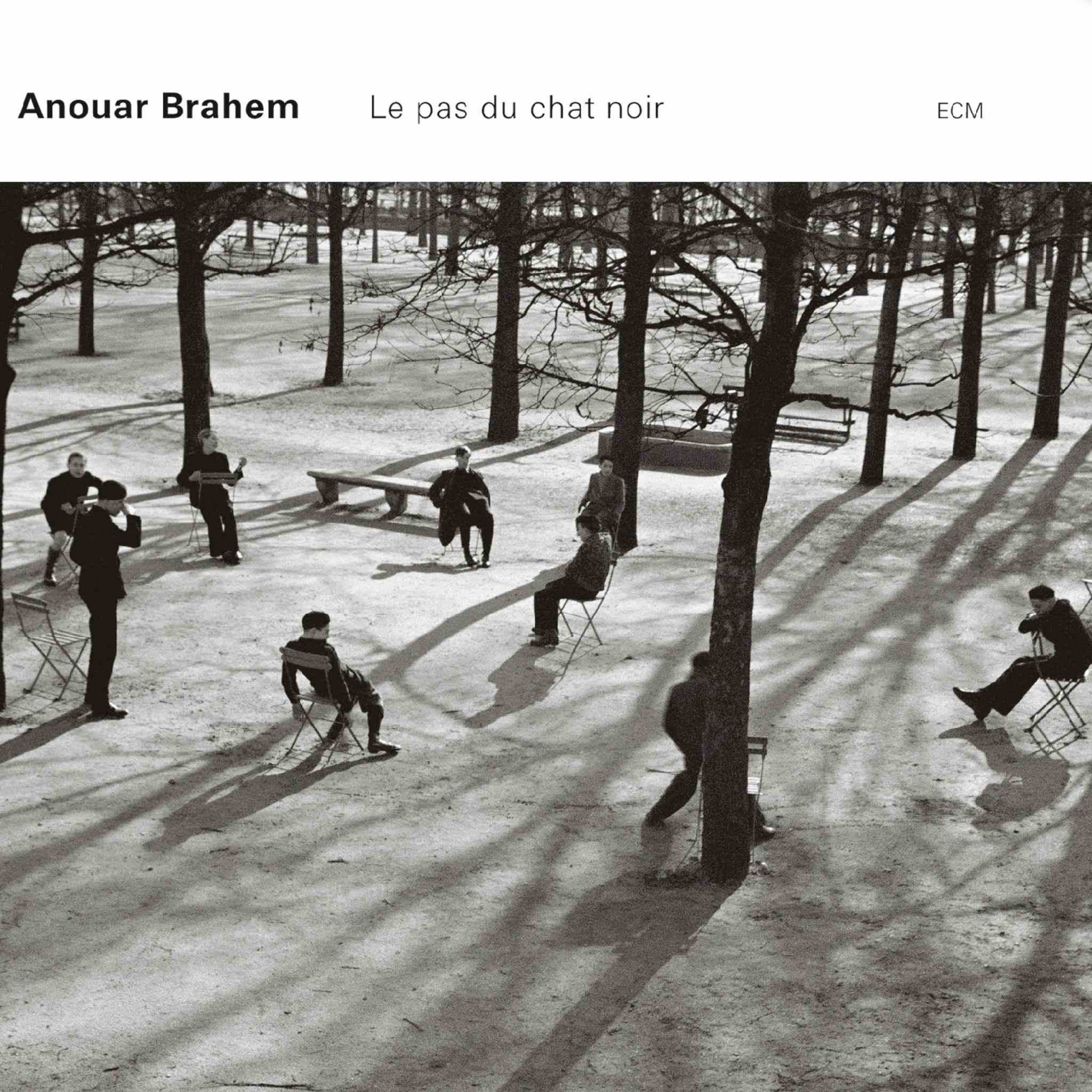
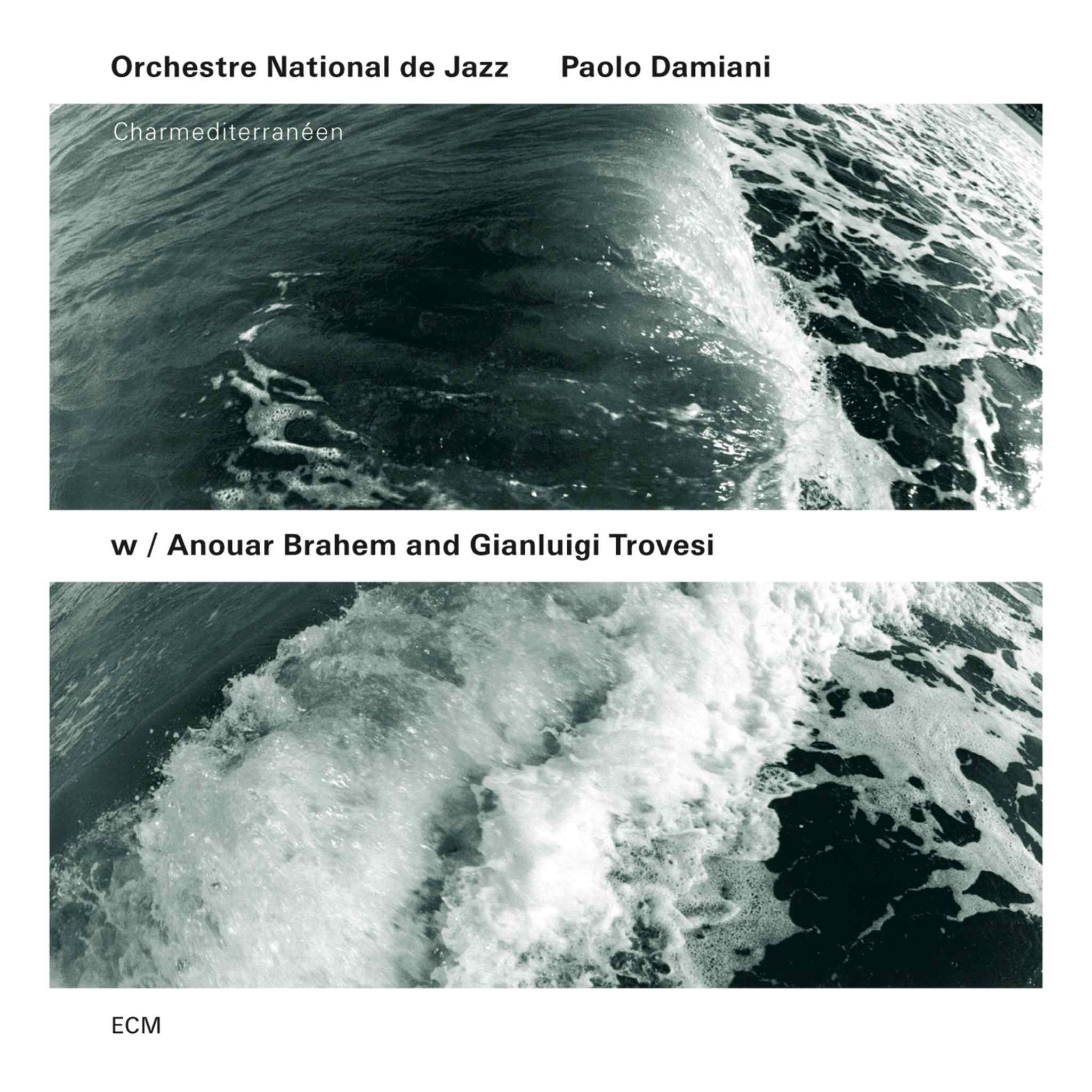
Appears On

AboutAnouar Brahem
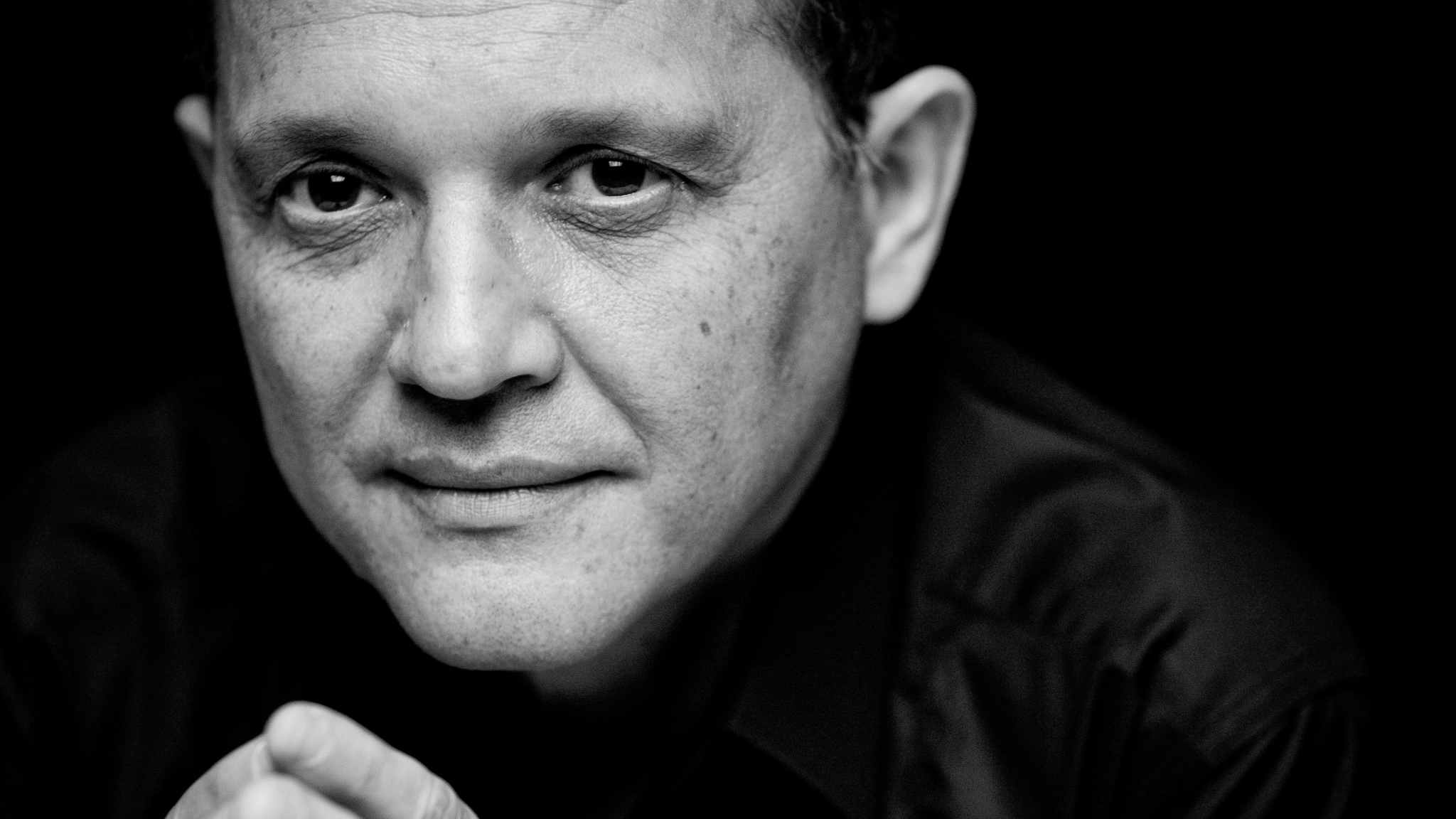
Photo: Marco Borggreve
“We are all tributaries of the inspiration of the moment, and that applies to all musicians,” Anouar Brahem once said. “It is the magic of the moment that counts, alongside preparation. It is all a matter of collective inspiration.”
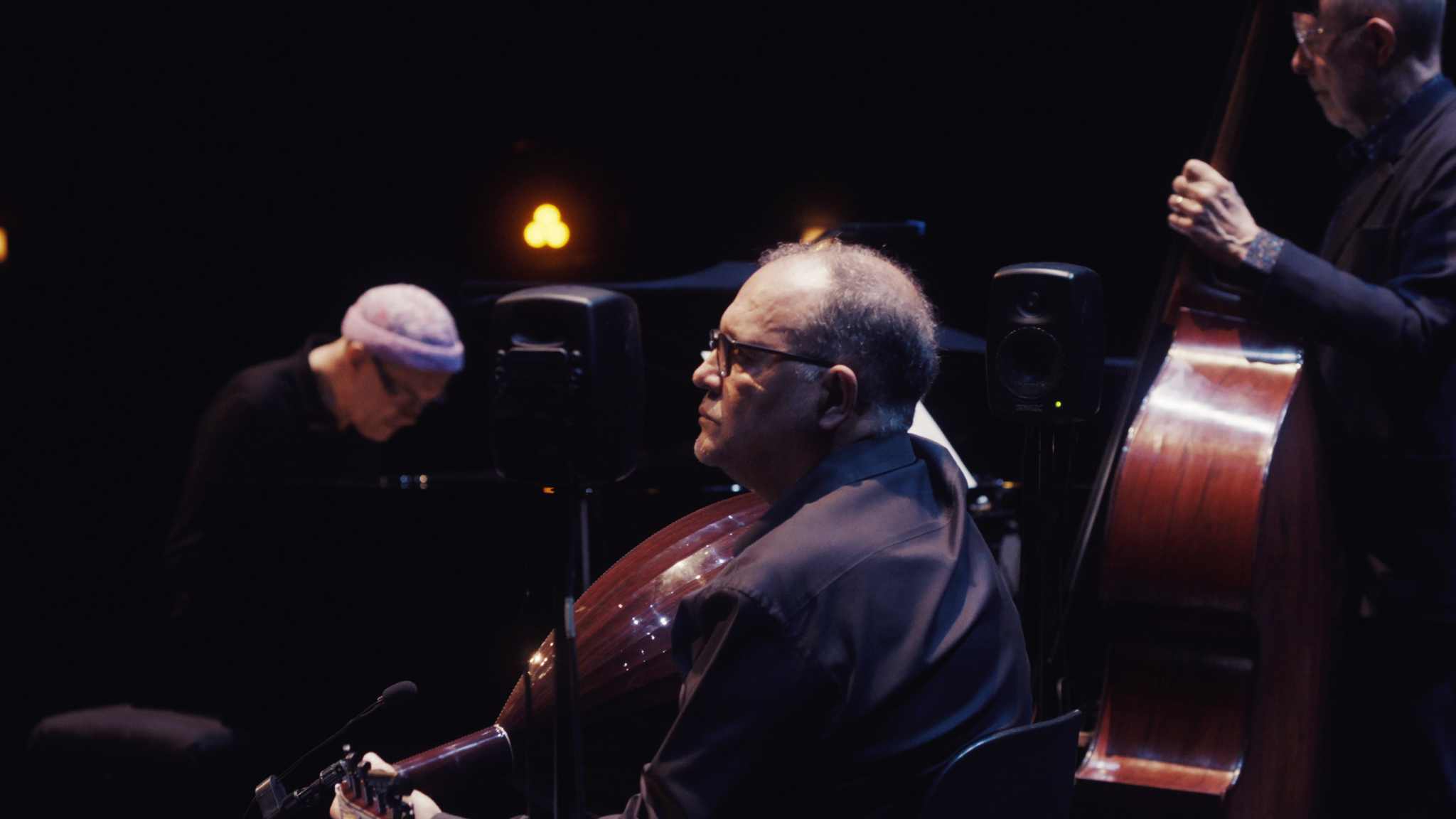
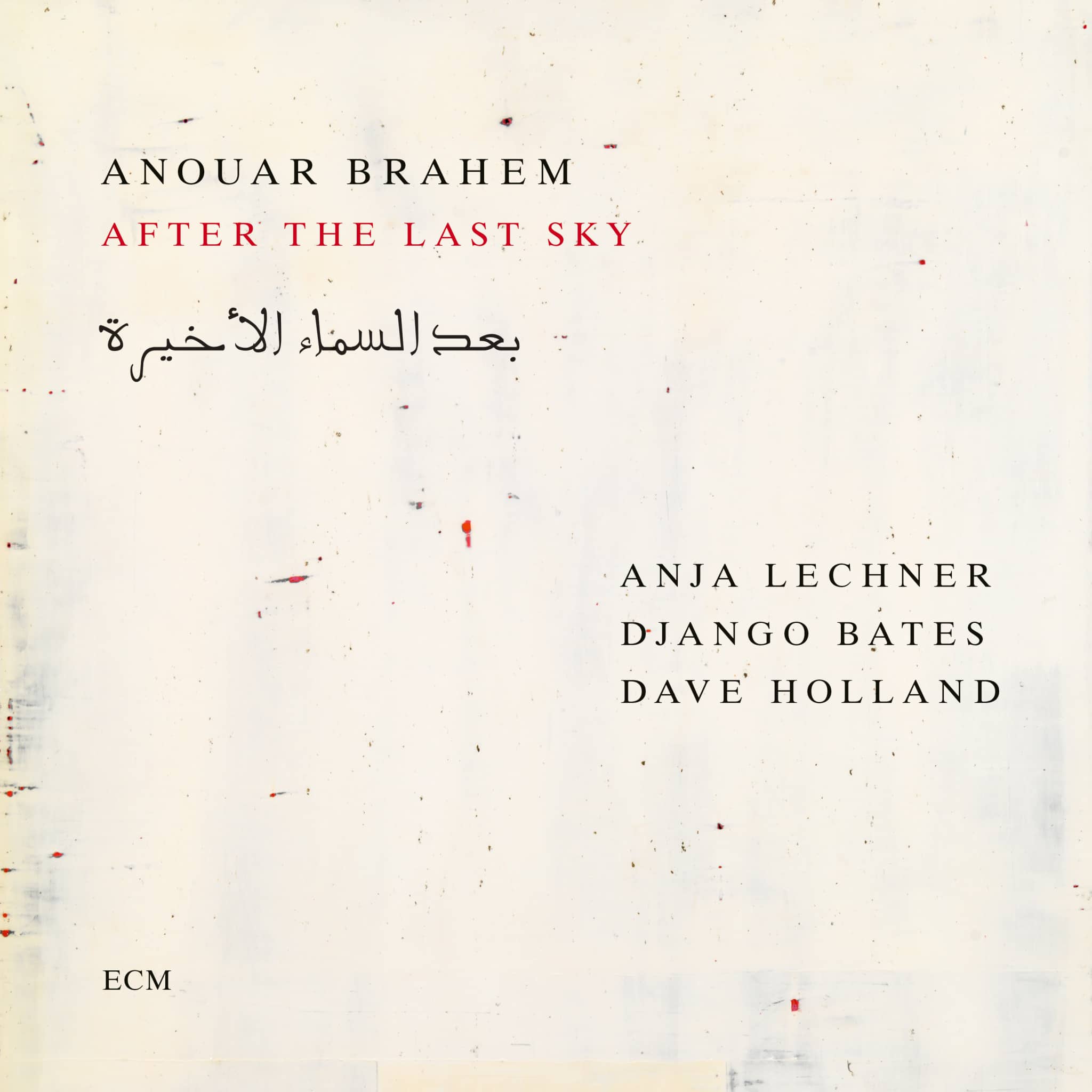
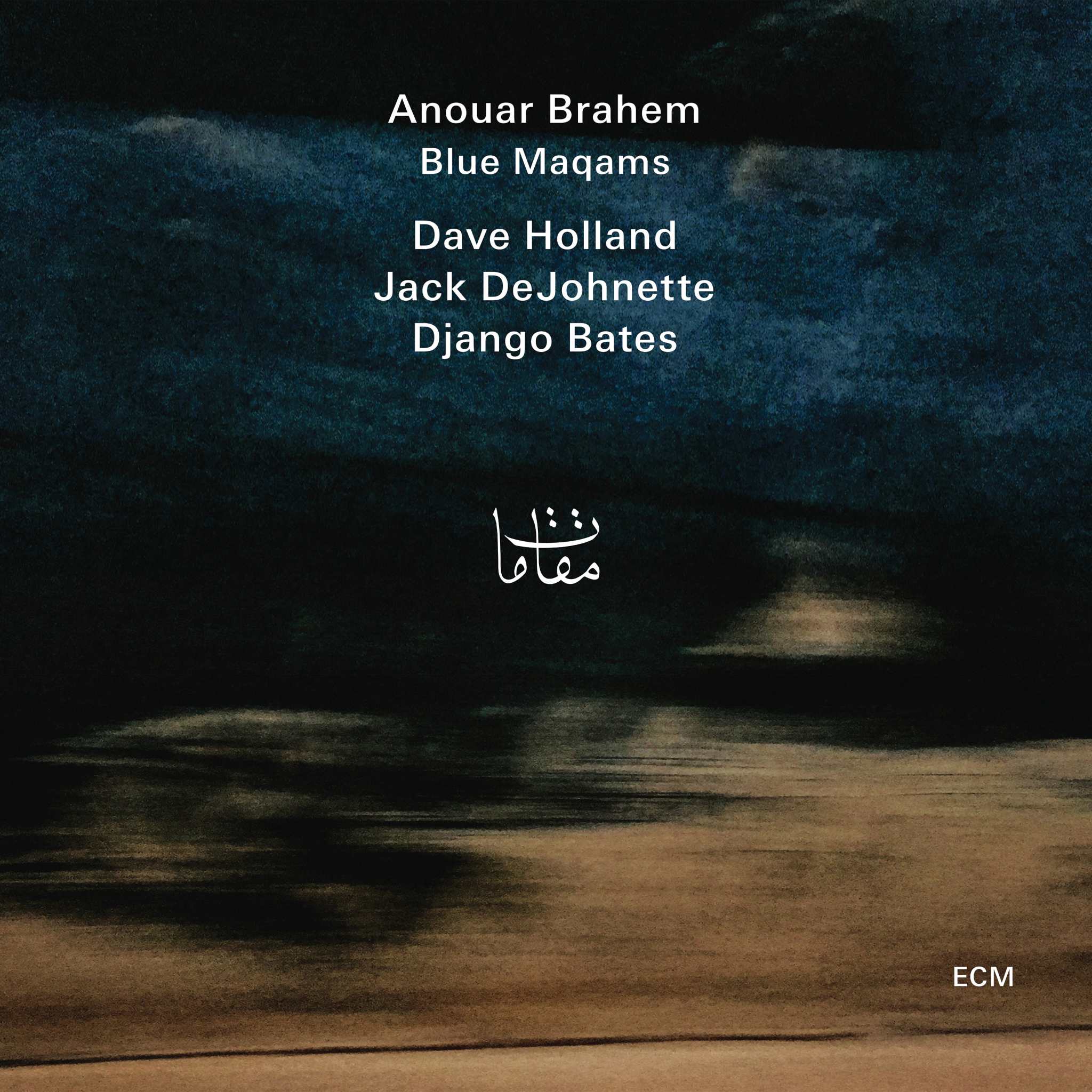
There is certainly no lack of collective and individual inspiration on “After The Last Sky,” Anouar Brahem’s eleventh solo album for ECM. Eight years after his last acclaimed album “Blue Maqams,” the Tunisian oud player returns with a poignant new project. The album title is borrowed from Mahmoud Darwish’s (1941–2008) poem “The Earth Is Closing On Us,” which addresses the suffering of the Palestinian people. It reads: “Where should we go after the last frontiers? / Where should the birds fly after the last sky?” Brahem subtly explores these metaphysical questions in the chamber music instrumental pieces of “After The Last Sky.” He is once again supported by pianist Django Bates and bassist Dave Holland, who were also featured on the 2017 predecessor “Blue Maqams.” Cellist Anja Lechner has taken the place of drummer Jack DeJohnette and plays a pivotal role on the album.
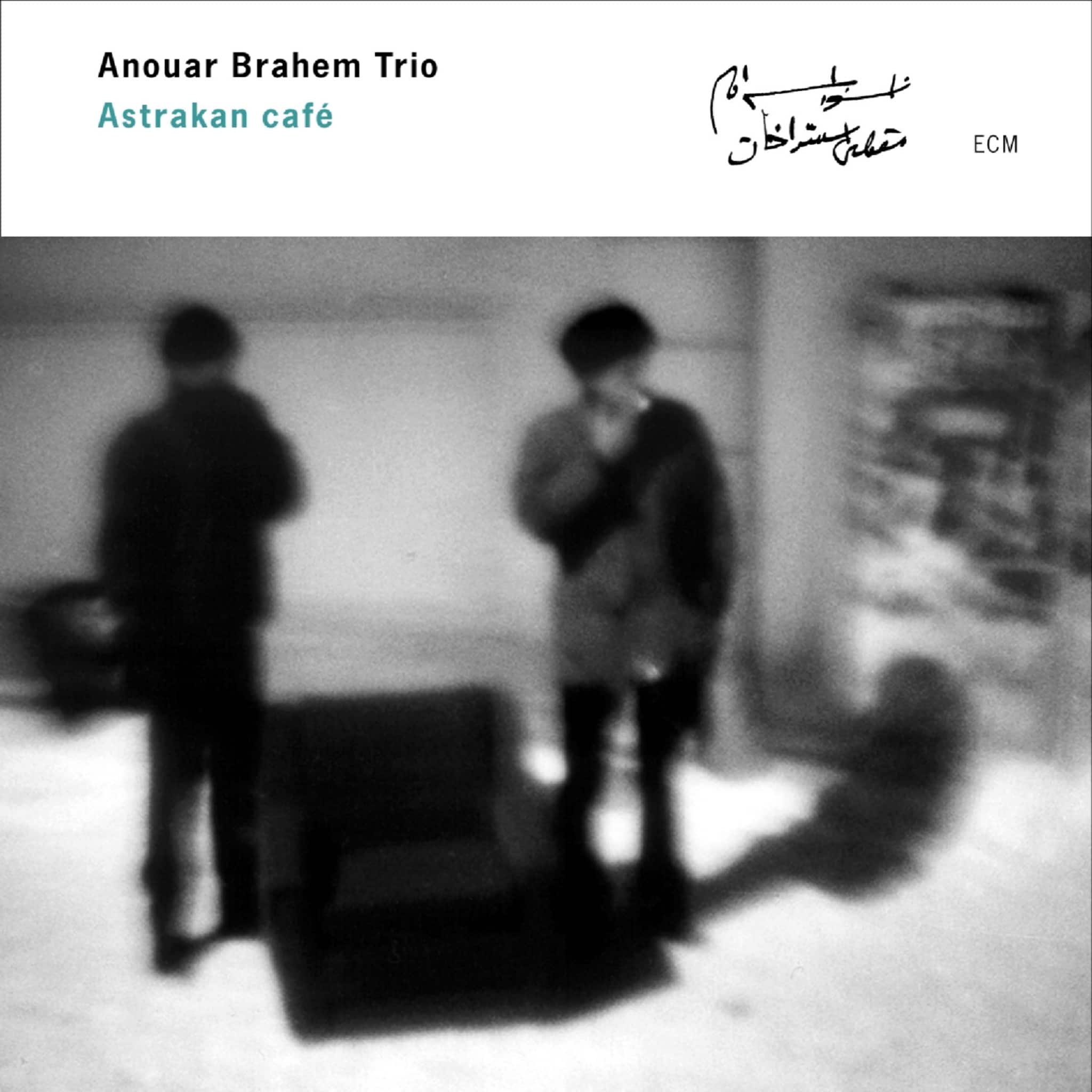
Anouar Brahem, born in Tunis in 1957, began studying oud at the local conservatory at the age of ten and later became a student of the great master Ali Sriti. In a review of the ECM album “Astrakan Café,” Stéphane Ollivier wrote in Les Inrockuptibles in 1999: “Brahem is the magician of the oud, a master of the acoustic magic that this ancient traditional oriental lute carries in its calabash: the musical heritage of the Arab and Islamic world.” Brahem has made it his mission to restore the oud to the status of the emblematic solo instrument it once held in Arab music. At the same time, he also strived to considerably expand traditions through collaborations with musicians from other idioms.
With this goal in mind, he moved to Paris in 1981, where over the next four years he collaborated with musicians from the French jazz and world music scene, as well as with the famous ballet dancer and choreographer Maurice Béjart. During this time, he also composed numerous pieces, primarily for Tunisian films and theater productions, but also for Costa-Gavras’ film drama “Hanna K,” which addresses the Middle East conflict. In 1985, Brahem returned to Tunisia, where he continued his intensive compositional work and established himself as an oud virtuoso through concerts with both domestic and international musicians.
Anouar Brahem began his extremely fruitful collaboration with producer Manfred Eicher and ECM Records in 1989 with the album “Barzakh,” on which he is featured with two compatriots: violinist Béchir Selmi and percussionist Lassad Hosni. Since then, Brahem has recorded a total of eleven solo albums for the label, collaborating with renowned musicians from various genres and traditions, including Turkish clarinetist Barbaros Erköse, French accordionists Richard Galliano and Jean-Louis Matinier, British saxophonist John Surman, French pianist François Couturier, German bass clarinetist Klaus Gesing, and Swedish bassist Björn Meyer. Anouar Brahem’s ECM discography includes the albums…
Conte de L’Incroyable Amour (1991)
Madar (1994)
Khomsa (1995)
Thimar (1998)
Astrakan Café (2000)
Le Pas Du Chat Noir (2001)
Le Voyage De Sahar (2006)
The Astounding Eyes Of Rita (2009)
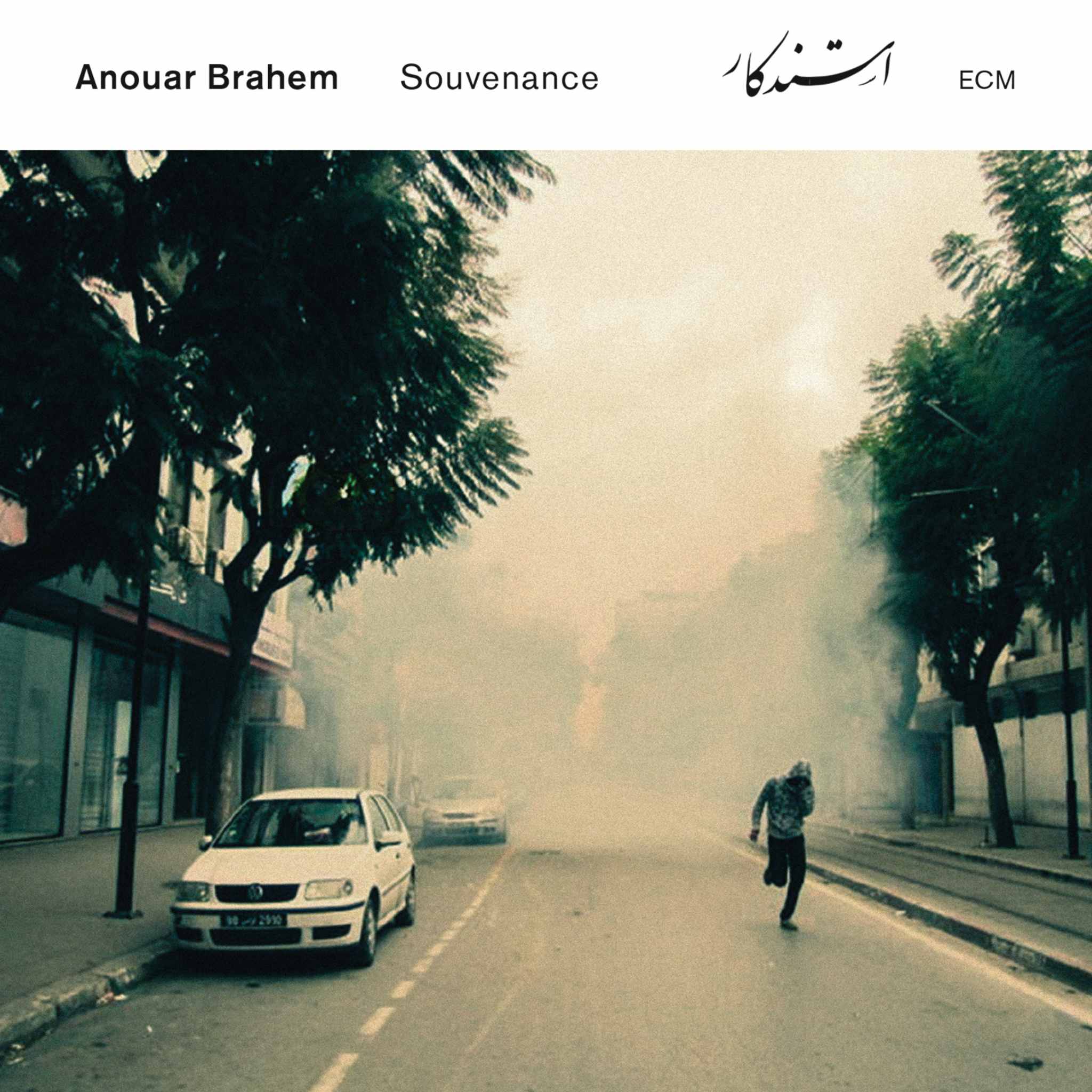
Souvenance (2014)
Blue Maqams (2017)
After The Last Sky (2025)
He also appeared on ECM albums by Norwegian saxophonist Jan Garbarek (“Madar,” 1994) and the Orchestre National de Jazz with Italian clarinetist Gianluigi Trovesi (“Charmediterranéen,” 2002).