Skip to content
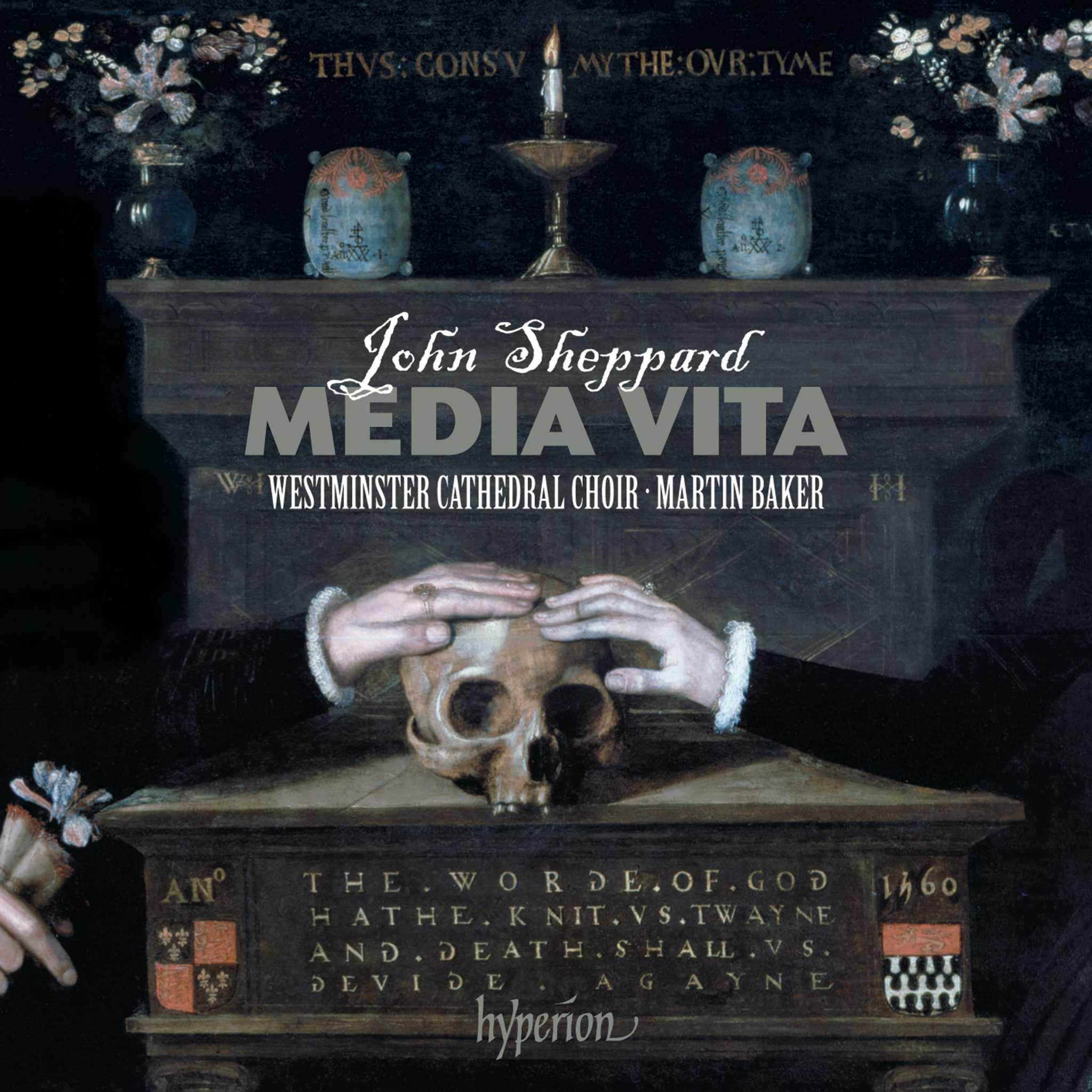
Sheppard: Media vita & Other Sacred Music

Sheppard: Media vita & Other Sacred Music

Westminster Cathedral Choir, Martin Baker

Duration80 Min

The 500th anniversary of John Sheppard's presumed birth could have been celebrated in 2015, while 2018 marked the 460th anniversary of the composer's death. He died in December 1558 during a flu epidemic—between the funeral of Queen Mary and the coronation of Elizabeth I. Although Sheppard was promised deliveries for both ceremonies, he was buried at St. Margaret's, Westminster, on December 21, having made his will on December 1. Little is known of Sheppard's early years. The earliest reliable records are from his time as choirmaster at Magdalen College, Oxford, from 1541 to 1542 and again from 1544 to 1548. He left the college in March 1548 and later appears on a list of the gentlemen of the Chapel Royal who sang at the funeral of King Edward VI in August 1553. Sheppard was an extremely prolific Renaissance composer, though his output appears comparatively limited. His Latin music consists primarily of antiphonal works with a steady cantus firmus. In 1554, he unsuccessfully applied for a doctorate in music at Oxford University, stating that he had studied music for twenty years and had "composed many songs." This suggests a birth year around 1515. His style is characterized by directness and vivacity, and he particularly favored the rich sound of six-part compositions with soprano parts. On New Year's Day 1557, he presented Mary Tudor with three music rolls. In July 1558, he and his colleague Richard Edwards were granted the expectancy of an estate in Kent. Despite his significant musical contributions, Sheppard has received less attention than other Tudor composers such as Tallis. His Latin texts survived mainly thanks to Elizabethan copyists, while little of his English works survived the Reformation. Sheppard's music undoubtedly deserves greater attention for its powerful sonic richness and rhythmic sophistication.