


Jean Langlais was born on February 15, 1907, in La Fontenelle, Brittany. Blind from childhood, he nevertheless devoted himself intensively to the study of piano, organ, and harmony at the Institut National des Jeunes Aveugles in Paris, where he was taught by the renowned organist André Marchal. Later, Langlais transferred to the Paris Conservatoire, where he studied with Marcel Dupré and was awarded first prize in organ performance in 1930. Paul Dukas introduced him to composition, and Langlais became acquainted with the talented Olivier Messiaen.
Charles Tournemire, whose improvisational skills deeply impressed him, was among his most important role models. Langlais won significant awards for interpretation and composition and took up the position of organist at the Church of Sainte-Clotilde in Paris. In addition to his work in France, he taught and performed regularly in the United States, where many of his compositions were written—often influenced by his close connection to the Catholic liturgy.
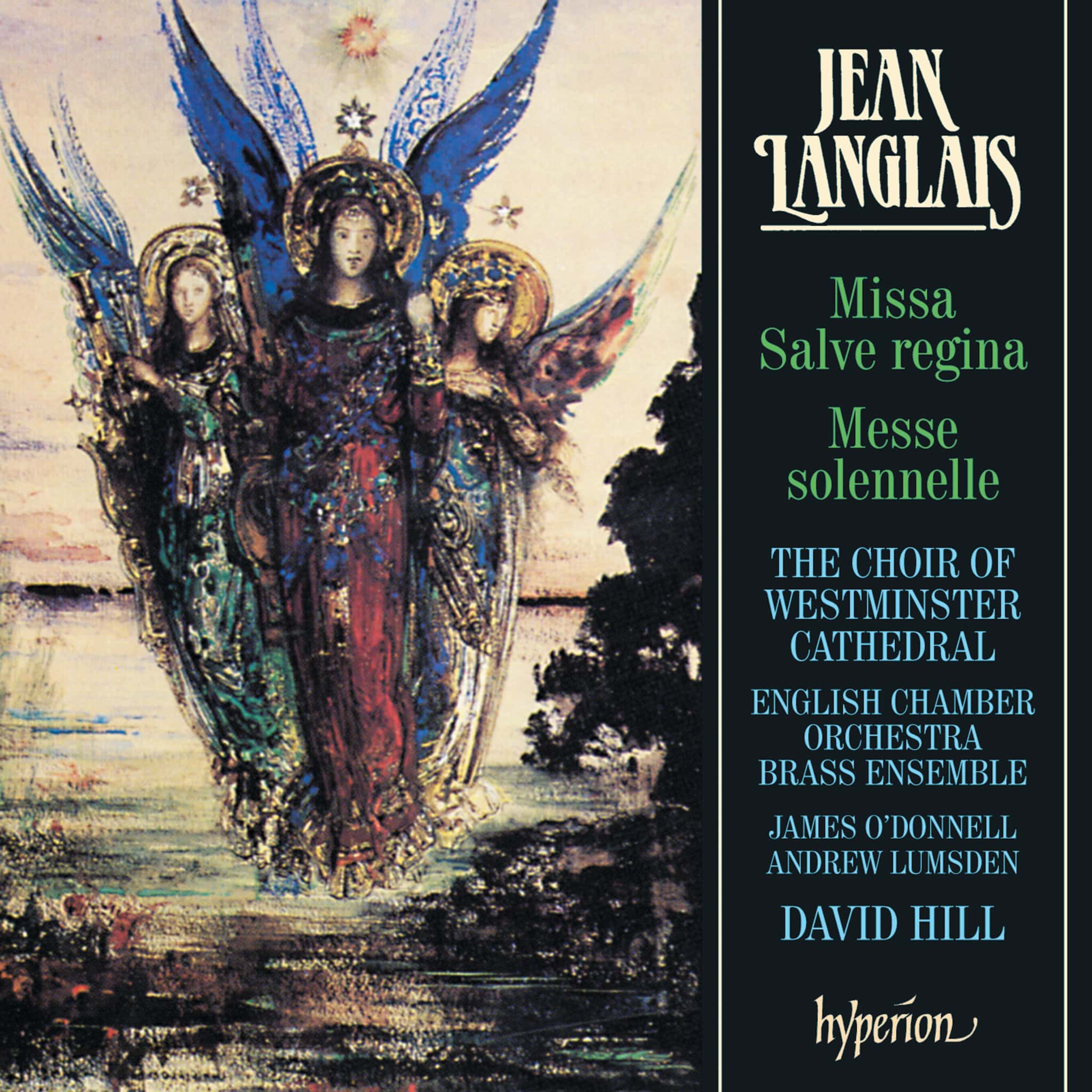
The Missa Salve Regina for male choir, organ, and brass was first performed in Notre Dame Cathedral in Paris on Christmas Day 1954. Characteristic of the Mass are its colorful, melodious structure and the use of parallel fifths and octaves. The Te Deum from the Trois paraphrases grégoriennes of 1934 stands out as a festive hymn of praise from his other works, while pieces such as La Nativité and the mystical Rosa mystica combine both contemplative and lively passages.