
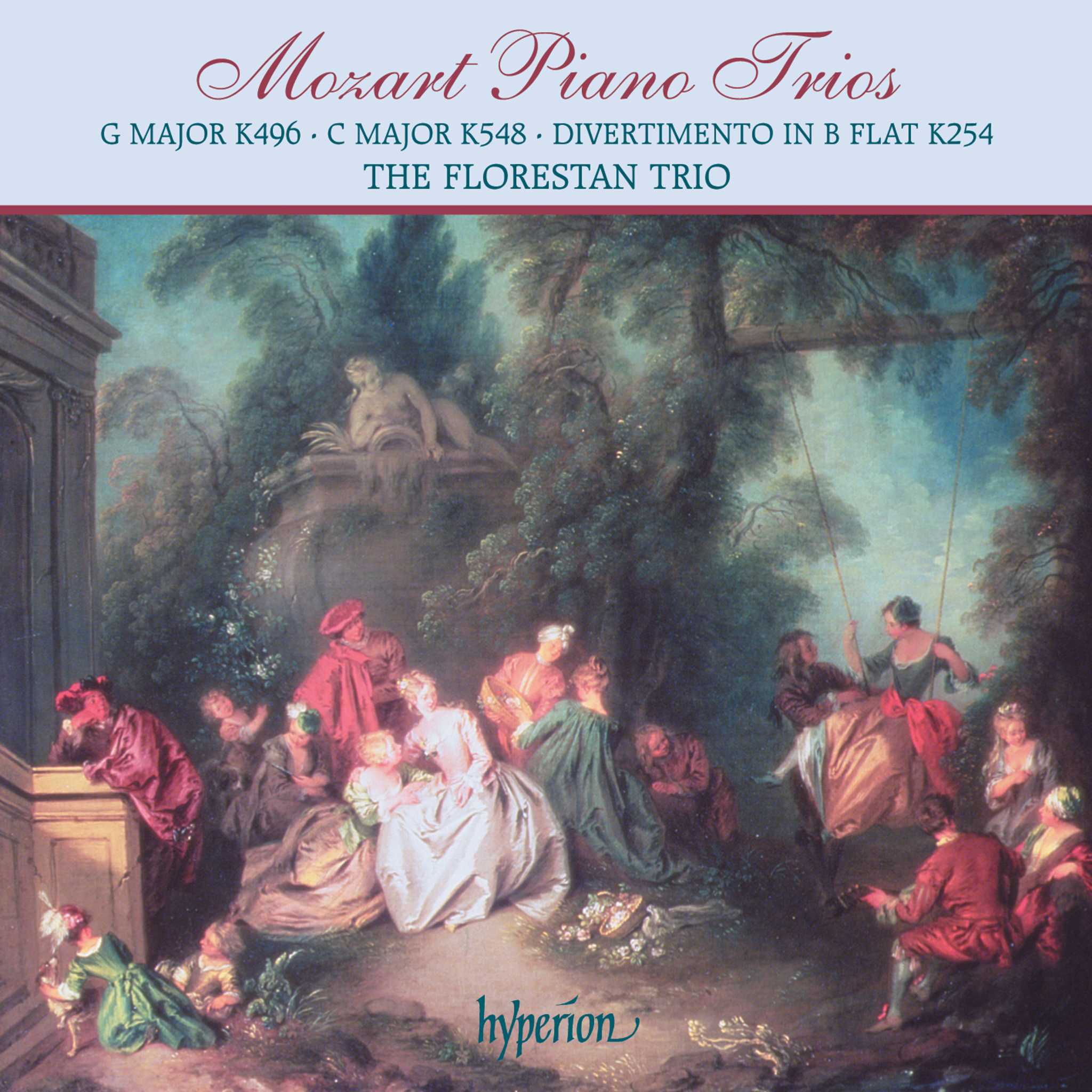

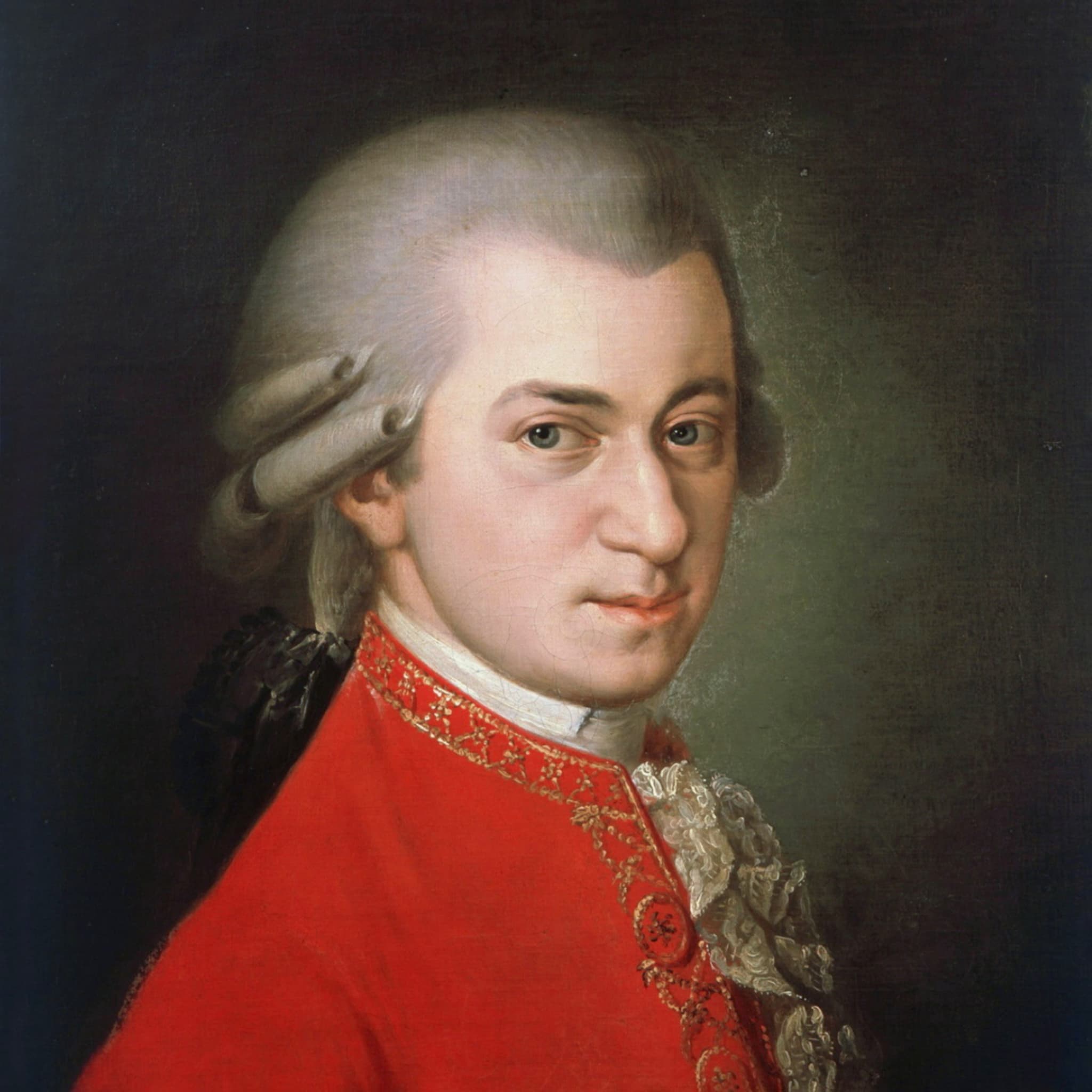


The Divertimento in B-flat major, K. 254, is considered Mozart's first piano trio, although it was originally titled differently. The composer created this work in Salzburg in 1776. Interestingly, the Mozart family primarily owned a two-manual harpsichord at that time, which is why Mozart probably never played the piece himself on a piano in Salzburg. Nevertheless, he performed the Divertimento twice in Munich in October 1777—once at the "Zum Schwarzen Adler" inn under the direction of Franz Joseph Albert, with Mozart virtuously playing the violin part. At another performance during Albert's birthday celebration, Mozart played the piano while a student of Tartini played the violin, though not flawlessly. These performances underscored the importance of the work and Mozart's talent.
Mozart followed a contemporary pattern with his accompanied sonatas. These compositions were not published as trios, but as sonatas for keyboard instruments with string accompaniment. In the Divertimento, the cello typically accompanies the piano's bass line in the Baroque continuo style, while the violin complements the piano melody with charming countermelodies, gradually developing into an equal partner. The various movements, such as the lively Allegro assai and the Minuet-Rondo, demonstrate Mozart's virtuosity and foreshadow his later trio compositions.
After moving to Vienna in 1781, Mozart composed more sophisticated piano trios with greater musical diversity. He wrote these works specifically for his own fortepiano, establishing a novel relationship between piano and string instruments, with the violin and cello assuming more independent roles. The Piano Trio in G major, K. 496, exemplifies this development and heralds Mozart's more mature trio compositions.
Despite personal difficulties, Mozart composed further piano trios in the summer of 1788, including the three-movement Trio in C major, K. 548. During this highly productive period, his works reflected a range of moods—from tragic to cheerful—without any discernible connection to his life circumstances. The C major Trio demonstrates Mozart's masterful command of melodic, harmonic, and contrapuntal elements and underscores his unparalleled compositional abilities.