Skip to content

Composer

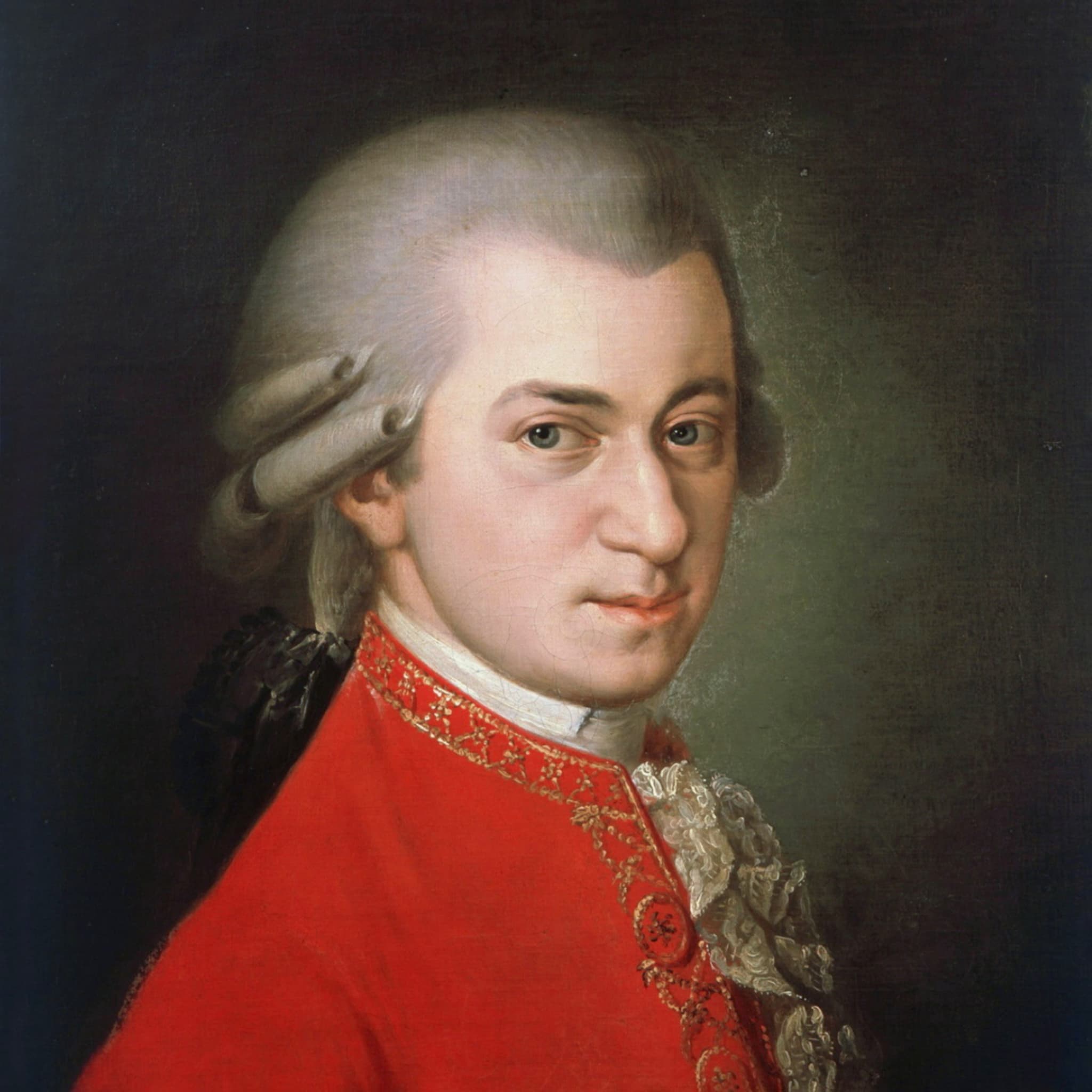
Wolfgang Amadeus Mozart

1756 — 1791

AboutWolfgang Amadeus Mozart

Mozart lived and died in an era when composers wrote their works for very specific occasions, and he would likely be very surprised by the reverence many musicians and music lovers hold for his oeuvre today. Born in Salzburg, he showed a phenomenal talent for music at a very early age. His father, Leopold, was a renowned violinist and provided his son with a thorough musical education before embarking on concert tours with him to the royal courts of Europe. Leopold hoped for his son to be appointed as the Archbishop of Salzburg's principal musician, but by age 25, Wolfgang could no longer tolerate the intellectual narrowness of the prelate and his residential city, and he settled in Vienna as a freelance musician. His catalog of works already included several hundred compositions, among them various masterpieces, but in the next decade, with the operas *Le nozze di Figaro*, *Don Giovanni*, *Così fan tutte*, and *Die Zauberflöte*, he created some of the most ingenious, insightful, and multifaceted musical pieces of all time. In addition, there were numerous extraordinary instrumental compositions: symphonies, piano concertos (with which he could distinguish himself as a keyboard virtuoso), quartets and quintets (he was also a capable violinist), and much more. His early death at the age of just 35 is considered by many to be the greatest tragedy in music history. Selected Works by Wolfgang Amadeus Mozart Watch on STAGE+ Born on January 27, 1756, in Salzburg, as the son of the violinist and Prince-Archbishop's chamber musician Leopold Mozart and his wife Anna Maria Mozart, née Pertl. 1760 Wolfgang receives his first music lessons from his father, along with his sister Maria Anna, known as "Nannerl," who is four years his senior. 1763 The Mozart family embarks on a three-and-a-half-year concert tour with their "child prodigies." 1767 First compositions. "Apollo et Hyazinth" in Salzburg, "Bastien et Bastinne." 1769 Premiere of "La finta sempice." In December, first trip to Italy with his father. 1772 Hieronymus Colloredo becomes the new Prince-Archbishop in Salzburg. "Il sognio del Scipione" is premiered on the occasion of his consecration. 1774 In March, Mozart returns to Salzburg from his third trip to Italy; soon after, he travels to Vienna for the first time. 1775 Journey to Munich for the performance of "La finta giardiniera" in the presence of his father and sister. Mozart composes his first piano concerto. 1777 Mozart resigns from his position as concertmaster of the Salzburg court music. The office would have tied him to Salzburg permanently. At the end of September, he travels with his mother via Augsburg and Mannheim to Paris. 1778 Arrival in Paris in March. His mother dies there on July 3. Mozart returns in September. He leaves Paris unsuccessfully and deeply saddened. 1781 After the premiere of "Idomeneo" on January 29 in Munich, Mozart's hope for a permanent position there does not materialize. 1782 "Die Entführung aus dem Serail" in Vienna (Burgtheater). On August 4, he marries Konstanze Weber. His father is against the union. 1785 Father Leopold visits his son in Vienna. It is their last meeting. 1786 Premiere of "The Marriage of Figaro" at the Vienna Burgtheater. 1787 Performance of "Figaro" in Mozart's presence in Prague. On October 29, "Don Giovanni" is also performed in Prague – an overwhelming success. Creation of the last, the Jupiter Symphony. 1789 Under financial pressure, Mozart visits Dresden and Berlin. There, he receives a commission from King Friedrich Wilhelm II for six string quartets (the "Prussian" quartets) and piano sonatas. 1790 Premiere of "Così fan tutte" at the Vienna Burgtheater. On February 19, Josef II dies. His successor Leopold II is far less interested in music. Nevertheless, Mozart travels to Frankfurt am Main for the imperial coronation. 1791 On March 4, Mozart appears on a concert stage for the last time. On September 6, premiere of "La clemenza di Tito" at the Prague National Theater, on September 30, premiere of "Die Zauberflöte" at the Theater auf der Wieden in Vienna. His "Requiem" remains unfinished. December 5, 1791 Mozart dies around 1:00 AM and is buried the very next day in a mass grave in St. Marx Cemetery. Soon after, it was no longer possible to determine where he was buried.
Wolfgang Amadeus Mozart

Composer 1756 – 1791 Mozart lived and died in an era when composers wrote music for specific occasions. He would likely be astonished at the reverence shown today by musicians and music lovers for his oeuvre.

Biography: A Brief Glimpse Into His Life

Born on January 27, 1756, in Salzburg, Wolfgang Amadeus Mozart displayed a phenomenal talent for music at an early age. His father, Leopold, a renowned violinist, provided him with a thorough musical education before taking him on concert tours to the courts of Europe. Leopold hoped his son would secure a position as the chief musician for the Archbishop of Salzburg. However, at 25, Wolfgang could no longer bear the restrictive environment of the prelate and his residence city. He moved to Vienna to pursue a career as a freelance musician. In Vienna, Mozart experienced a highly productive period. He quickly established himself as one of the most sought-after composers of his time, working as a freelance artist, teacher, and musician.

The Timeless Magic of Mozart’s Music

Wolfgang Amadeus Mozart's music has enchanted listeners for centuries with its perfect harmony, melodic beauty, and structural clarity. His oeuvre encompasses an impressive variety of works—from captivating operas and majestic symphonies to virtuosic piano concertos. Mozart's music profoundly influenced his era, inspiring countless composers. To this day, his works remain a cornerstone of the classical repertoire, performed and celebrated worldwide.

Famous Works

Mozart's catalogue contains hundreds of compositions, including many masterpieces. He created operas that set new standards both musically and dramatically, alongside exceptional instrumental works such as symphonies, piano concertos (in which he showcased his virtuosity), quartets, and quintets (Mozart was also a skilled violinist), among others.

Mozart’s Great Operas

Wolfgang Amadeus Mozart's operas are true masterpieces, renowned for their musical sophistication and profound, often socially critical themes. His most famous operas include:

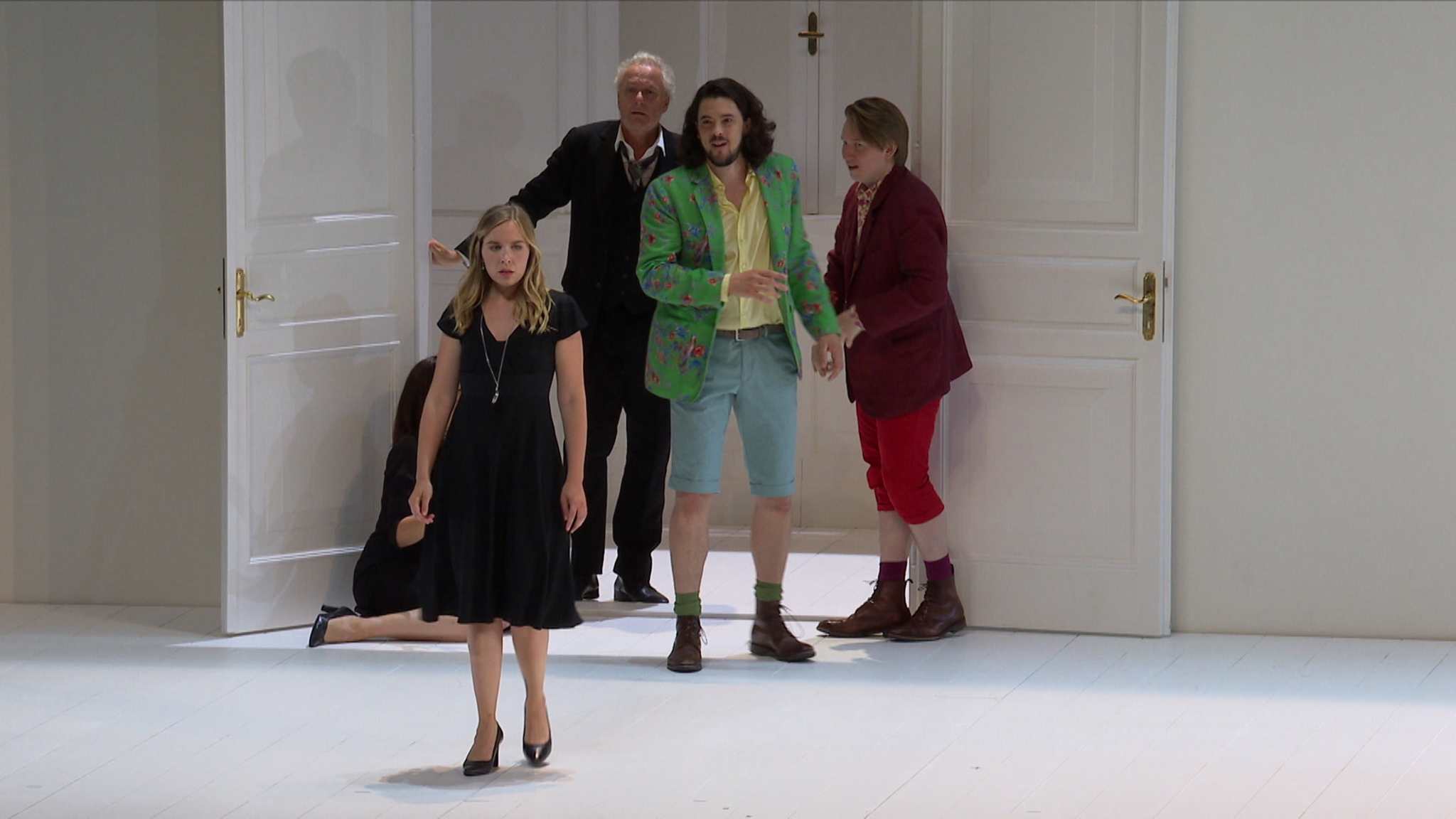
  • Le nozze di Figaro (1786): Combining lightness and depth, this opera humorously yet critically explores societal issues.
  • Don Giovanni (1787): A gripping drama full of passion, notable for its musical and thematic complexity.
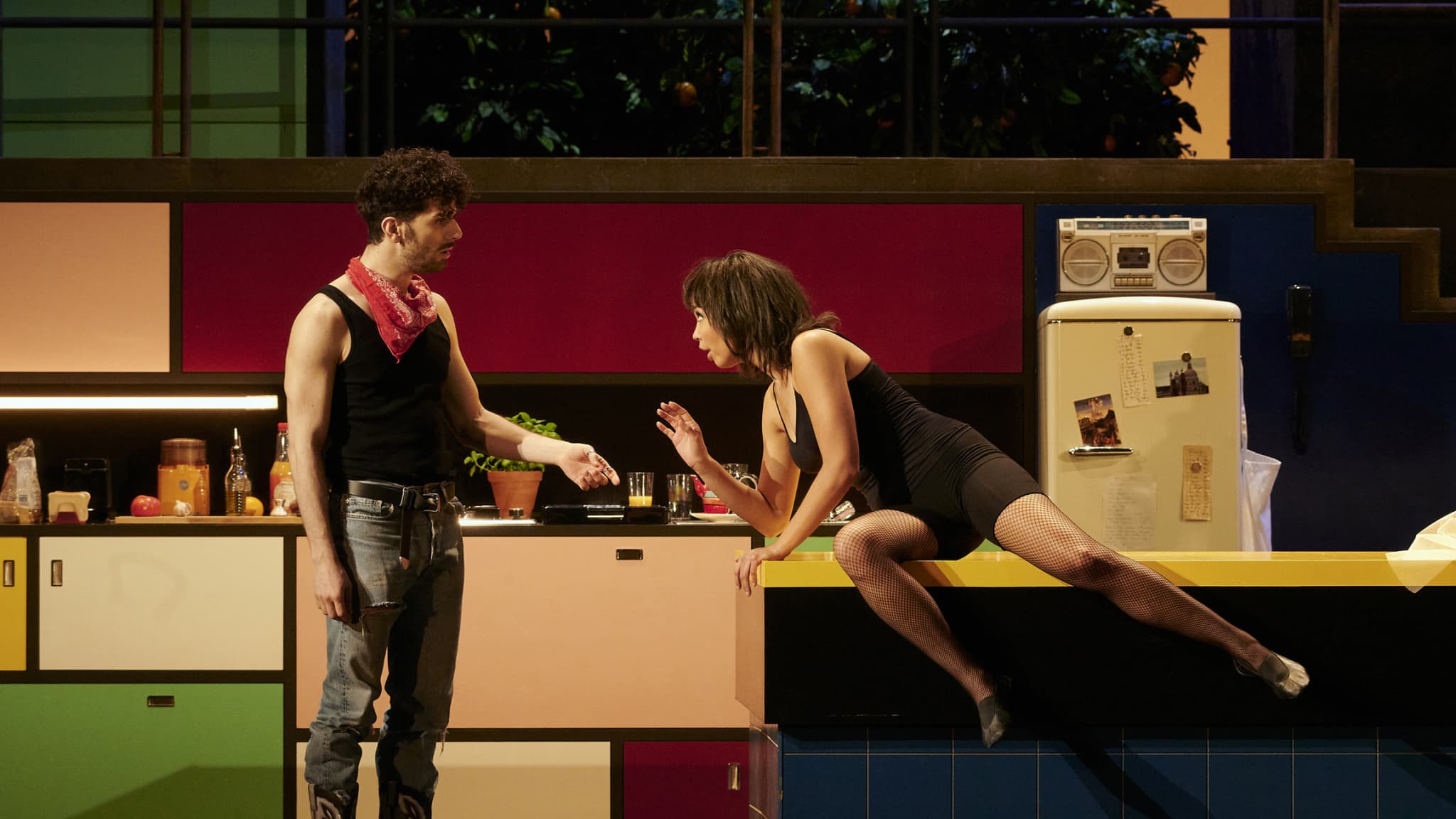
  • Così fan tutte (1790): An opera that, with wit and charm, examines infidelity and human weaknesses.
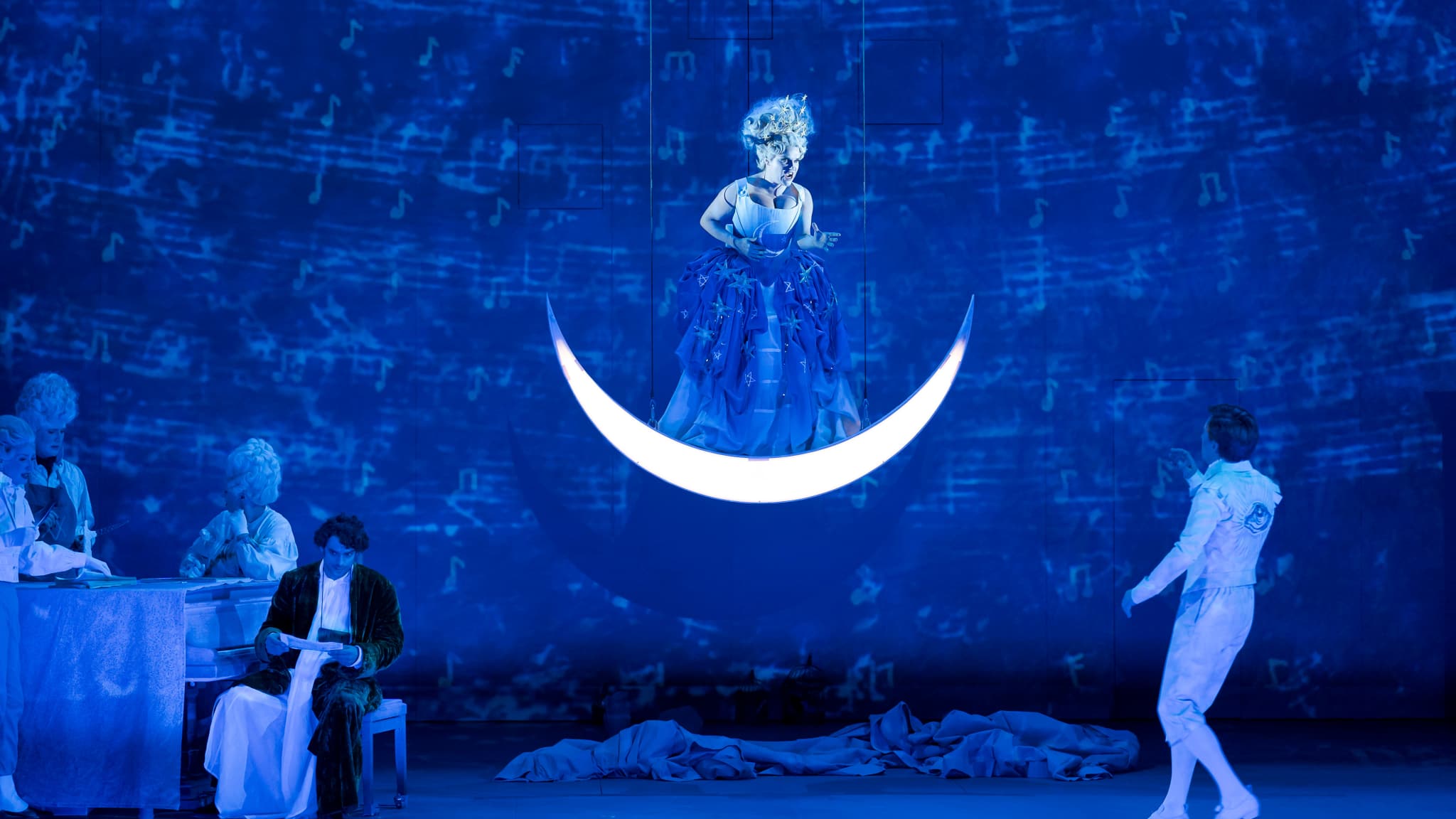
  • The Magic Flute (1791): A fascinating work blending fairy tale, symbolism, and philosophy into a musical masterpiece.

Masterful Symphonies

Mozart’s timeless symphonies are among the greatest achievements in classical music:

Outstanding Piano Concertos

As one of the finest pianists of his time, Mozart used his piano concertos to showcase his virtuosity and creativity:

  • Piano Concerto No. 21 in C Major, K. 467: With its second movement, the “Andante,” this concerto is one of the most famous and frequently performed.
  • Piano Concerto No. 23 in A Major, K. 488: A work full of elegance and emotion, demonstrating Mozart’s masterful piano artistry.

Chamber Music and Sacred Works

Mozart also left an enduring legacy in chamber and sacred music:

  • A Little Night Music, K. 525: This serenade is one of Mozart’s most famous pieces, a quintessential example of classical elegance.
  • Requiem in D Minor, K. 626: His unfinished final work is deeply emotional and ranks among the most significant requiem settings in music history.

Mozart’s Death and Early Demise

Shortly before his death, Wolfgang Amadeus Mozart faced health problems and financial difficulties. Despite his extraordinary artistic output, he often struggled with poverty and a lack of recognition. In the final years of his life, he continued to create masterpieces, but his body was exhausted. Mozart passed away on December 5, 1791. His untimely death at the age of only 35 is regarded as one of music history’s greatest tragedies, as he left behind numerous unfinished works and never fully realized his potential.

Stream Mozart on STAGE+ Now!

Experience the magic of Mozart’s music on STAGE+! Whether his famous operas, brilliant symphonies, or intricate chamber music, immerse yourself in unique interpretations and fascinating insights into his life. With STAGE+, you can enjoy the classics of this exceptional talent in premium quality — anytime and anywhere.