Concerts
Operas
Albums
Appears On
Documentaries
AboutPierre Boulez

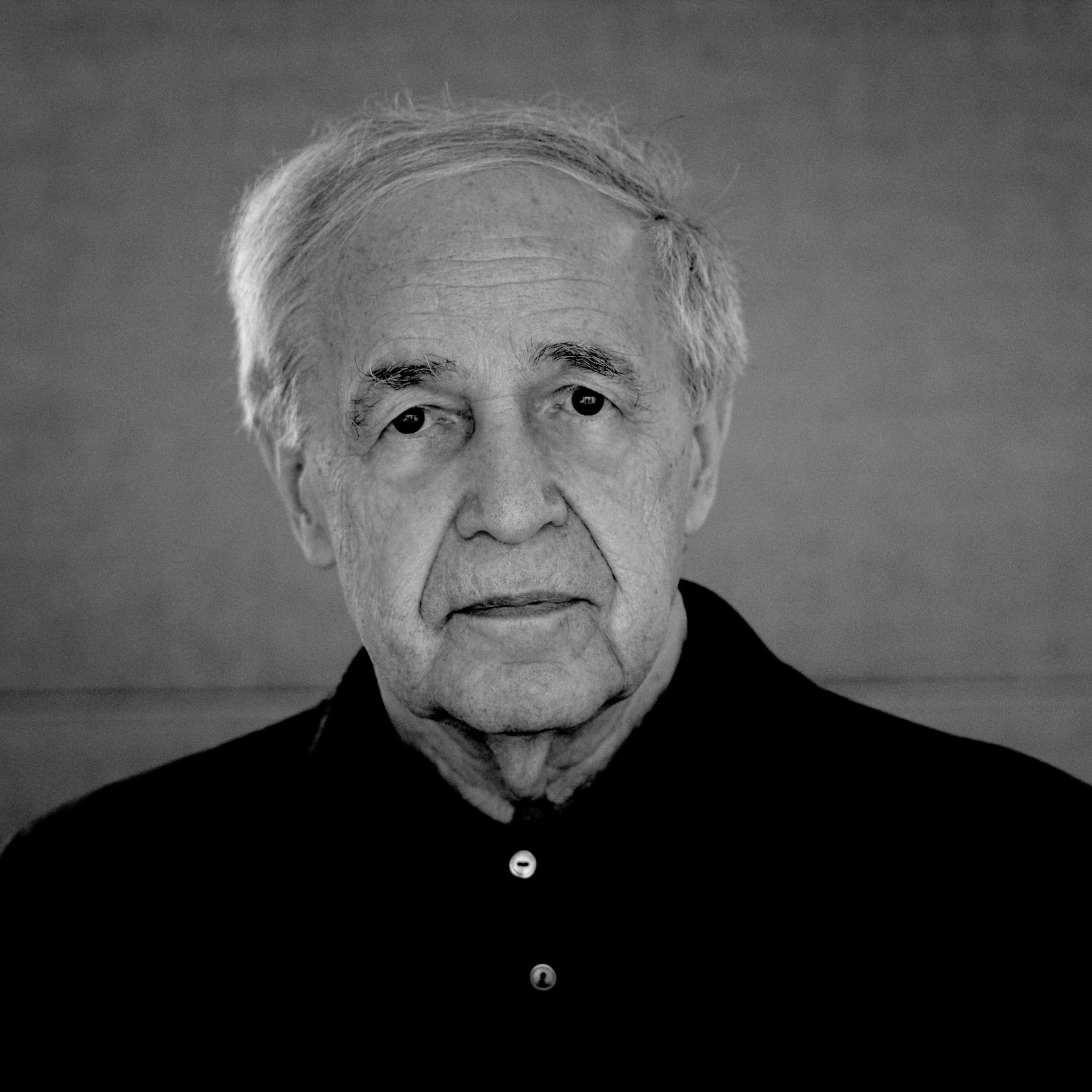
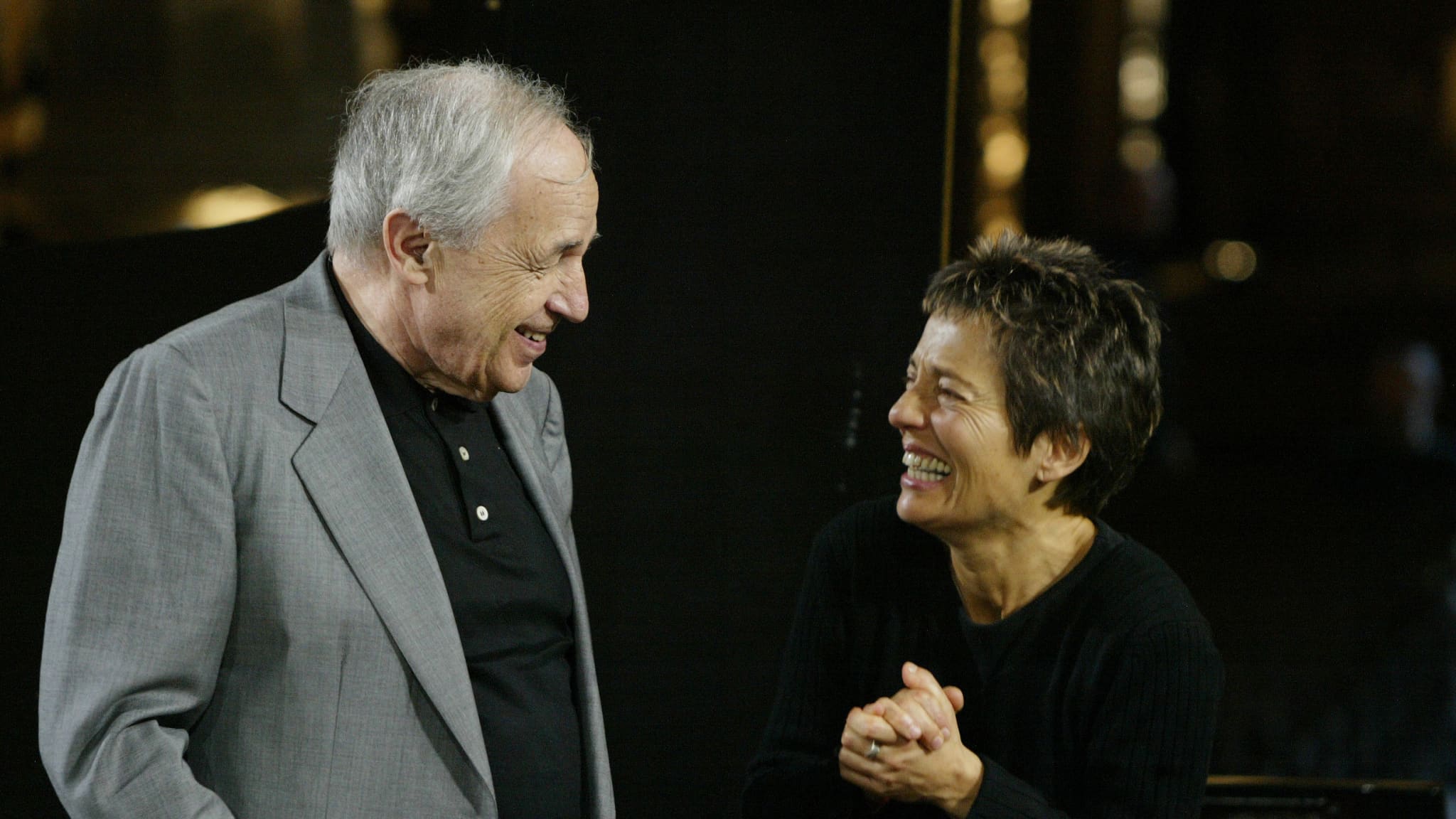
Pierre Boulez was born on March 26, 1925, in Montbrison, in the French department of Loire. If his father had had his way, he would have become an engineer. There was also much to suggest that the middle-class boy from the French provinces would follow in the footsteps of his father, who worked as a technician in the steel industry. He was good at school, mathematically gifted enough to be sent from the Catholic Collège in Saint-Etienne to Lyon for a specialized science seminar. He might even have stayed on that path if he hadn't been drawn to Paris. At 18, he broke away from home, went to the French capital, and fundamentally changed his future plans.
In October 1944, he enrolled at the Conservatory in Olivier Messiaen's harmony class. What had been a hobby—he had been taking piano lessons since age seven and was also active in the school choir—became a passion. Through Messiaen, he discovered the sound worlds of Stravinsky, Bartók, and the old and new Viennese schools. Through him, he also understood the importance of thinking *in* music, not *about* music. As a first display of talent, French radio broadcast his "Trois Psalmodies" (1945) for piano, still tentative student works in the style of his teacher with a leaning towards Schoenbergian abstraction. But soon, the student would prove himself as an independent composer. A brief period of instruction with René Leibowitz introduced him to dodecaphony, followed by atonal, serial, and electroacoustic experiments. His first job as director of the Compagnie Renaud-Barrault brought him into contact with stage music. In 1954, he founded a concert series for new music, "Concerts du Petit Marigny / Domaine Musicale." The following year, he achieved international breakthrough as a composer with "Le Marteau Sans Maître," almost simultaneously with his success as a conductor.
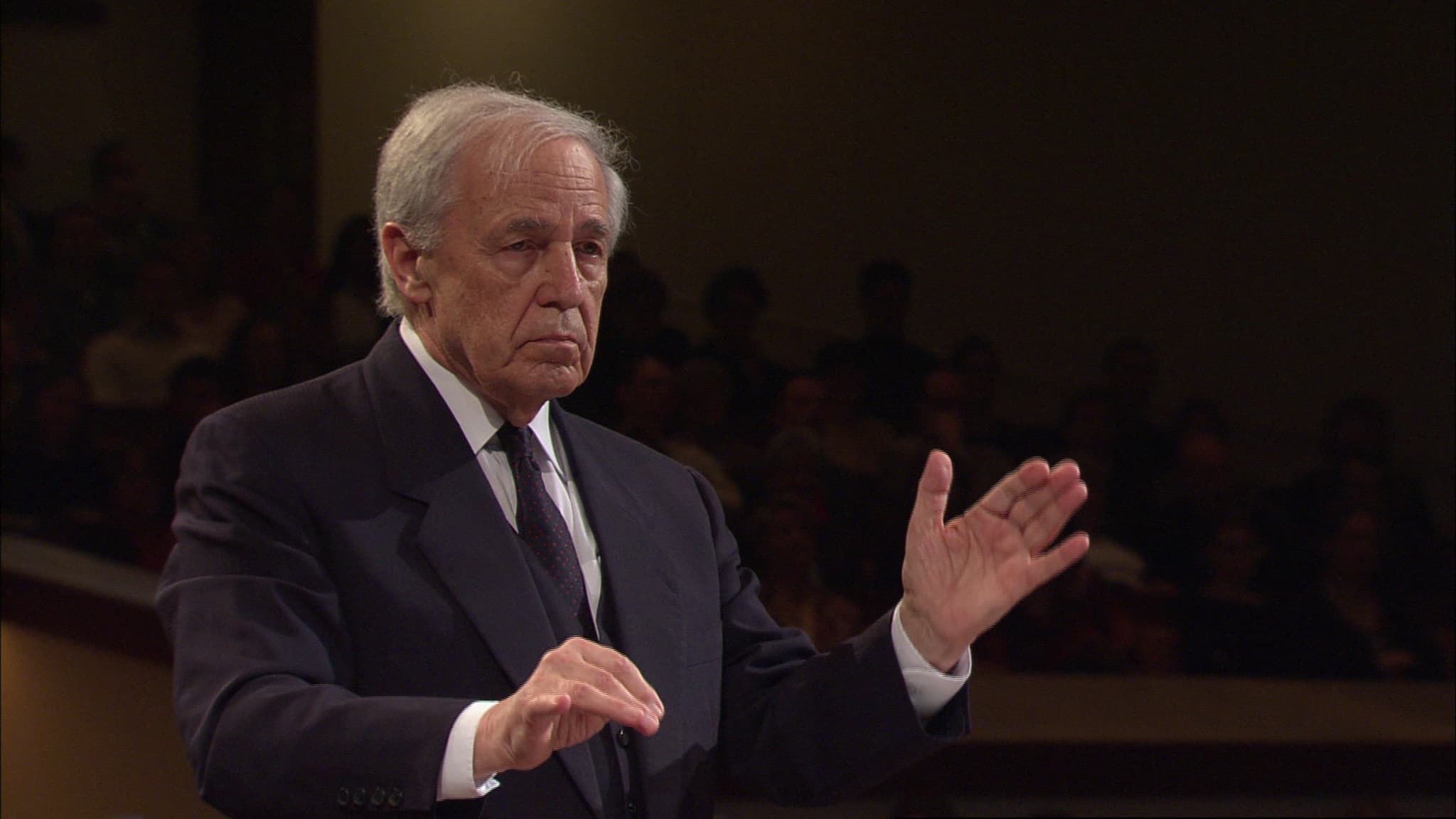
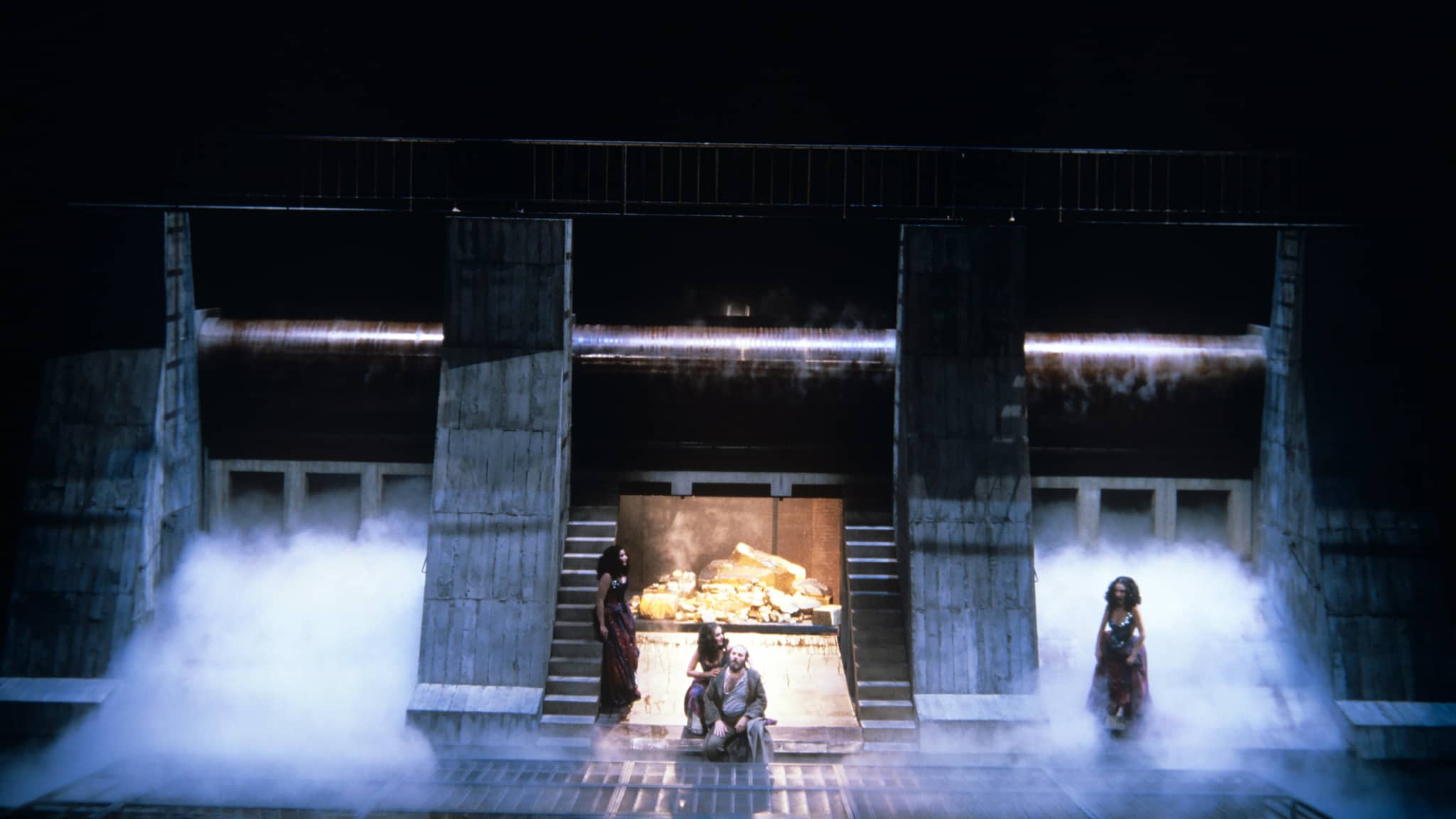
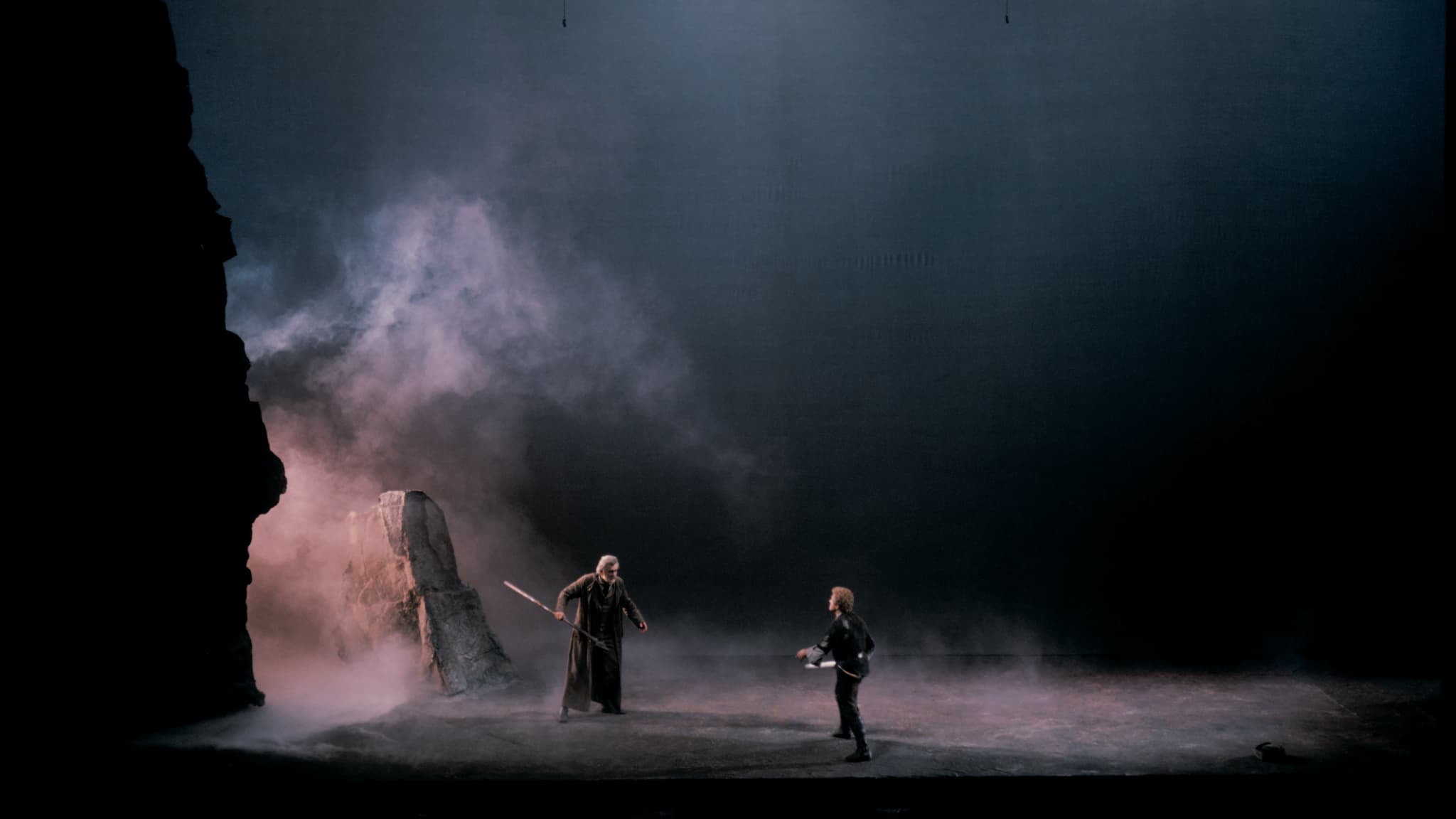
In 1958, his conducting career began as a permanent guest of the Südwestfunk Orchestra. From 1960 to 1962, Boulez taught composition at the Basel Academy of Music, then served as Principal Guest Conductor of the Cleveland Orchestra (1967–72) as well as Chief Conductor of the BBC Symphony Orchestra (1971–75) and the New York Philharmonic (1971–77). From 1977 onwards, Pierre Boulez primarily dedicated himself to his work at the "Institut de Recherche et de Coordination Acoustique/Musique" (IRCAM), supported by the French government, located in the Centre Pompidou in Paris. He only stepped down from the directorship of IRCAM in 1992 but remained president of the Ensemble InterContemporain, which he founded and which enjoys an excellent reputation as one of the best orchestras for contemporary music. In 1995, Pierre Boulez was appointed Principal Guest Conductor of the Chicago Symphony Orchestra. He conducted spectacular productions three times in Bayreuth: "Parsifal" in 1970, the anniversary "Ring" in 1976, and again "Parsifal" in 2004 in Christoph Schlingensief's controversial production.
Since the 1960s, Pierre Boulez has thus been one of the most important and influential figures in contemporary music. Throughout his brilliant career, he has repeatedly encountered opposition, not least because he refused to conform to trends, but rather followed only his own vision of musical power. And that vision was based on high demands for the quality of performance, whether he was creating a suitable forum for New Music as the founder of the Ensemble Intercontemporain or helping young talent through IRCAM. His reputation as a conductor among renowned contemporary orchestras is undisputed; he has received 26 Grammys and numerous other awards to date. In 1979, he received the Ernst von Siemens Music Prize, and in 1989, he was the first recipient of the "Praemium Imperiale" from the Japan Art Association. For his commitment to 20th-century music, Pierre Boulez was awarded, among other honors, the German Record Critics' Award in 1995, named "Artist of the Year" by the English music magazine Gramophone, and received a special tribute at the Victoires de la Musique in France on the occasion of his 70th birthday. In 1996, he was awarded the Berlin Art Prize, and the Royal Swedish Academy of Music honored him with the Polar Music Prize as a great cultural personality. Most recently, in January 2004, he received the Golden Medal of Honor from his adopted hometown of Baden-Baden.
Already in the 1970s, the collaboration between Boulez and Deutsche Grammophon, with whom he has been exclusively contracted since 1989, produced award-winning recordings such as the Bayreuth production of "Parsifal" and Berg's "Lulu." Since then, he has presented for the label an overview of the most important works of modernism up to the absolute avant-garde with leading international orchestras. His extensive discography includes a multitude of award-winning recordings such as his Bartók series with the Chicago Symphony Orchestra, including "The Wooden Prince," "Cantata Profana," the "Concerto for Orchestra," and "Duke Bluebeard's Castle." Furthermore, he has recorded works by Ligeti, Webern, Birtwistle, and his own compositions with the Ensemble InterContemporain, as well as Berlioz's "Symphonie fantastique" and works by Debussy with the Cleveland Orchestra. With the Berlin Philharmonic, he dedicated himself to works by Ravel and Webern. Among his most important recordings are also Mahler's symphonies, which he recorded with the Vienna Philharmonic, the Cleveland Orchestra, and the Chicago Symphony Orchestra.
On the occasion of his 80th birthday, Deutsche Grammophon released a jubilee box set that exemplarily sheds light on Boulez's extensive oeuvre. A Gustav Mahler compilation is dedicated to the composer's orchestral songs and song cycles, featuring a star-studded cast alongside Boulez himself, including interpreters like Thomas Quasthoff, Anne Sofie von Otter, Violeta Urmana, and the Vienna Philharmonic. The second CD presents Béla Bartók's three piano concertos, also prominently cast with various top orchestras and soloists Krystian Zimerman, Leif Ove Andsnes, and Hélène Grimaud. He personally suggested the interpreter of Boulez's own piano sonatas, the young Finn Paavall Jumppanen. They were released as part of the innovative 20/21 series. And the Ensemble InterContemporain pays tribute to its founder with a new recording of "Le Marteau Sans Maître / Dérive 1 & 2," also released as part of 20/21.
6/2005