


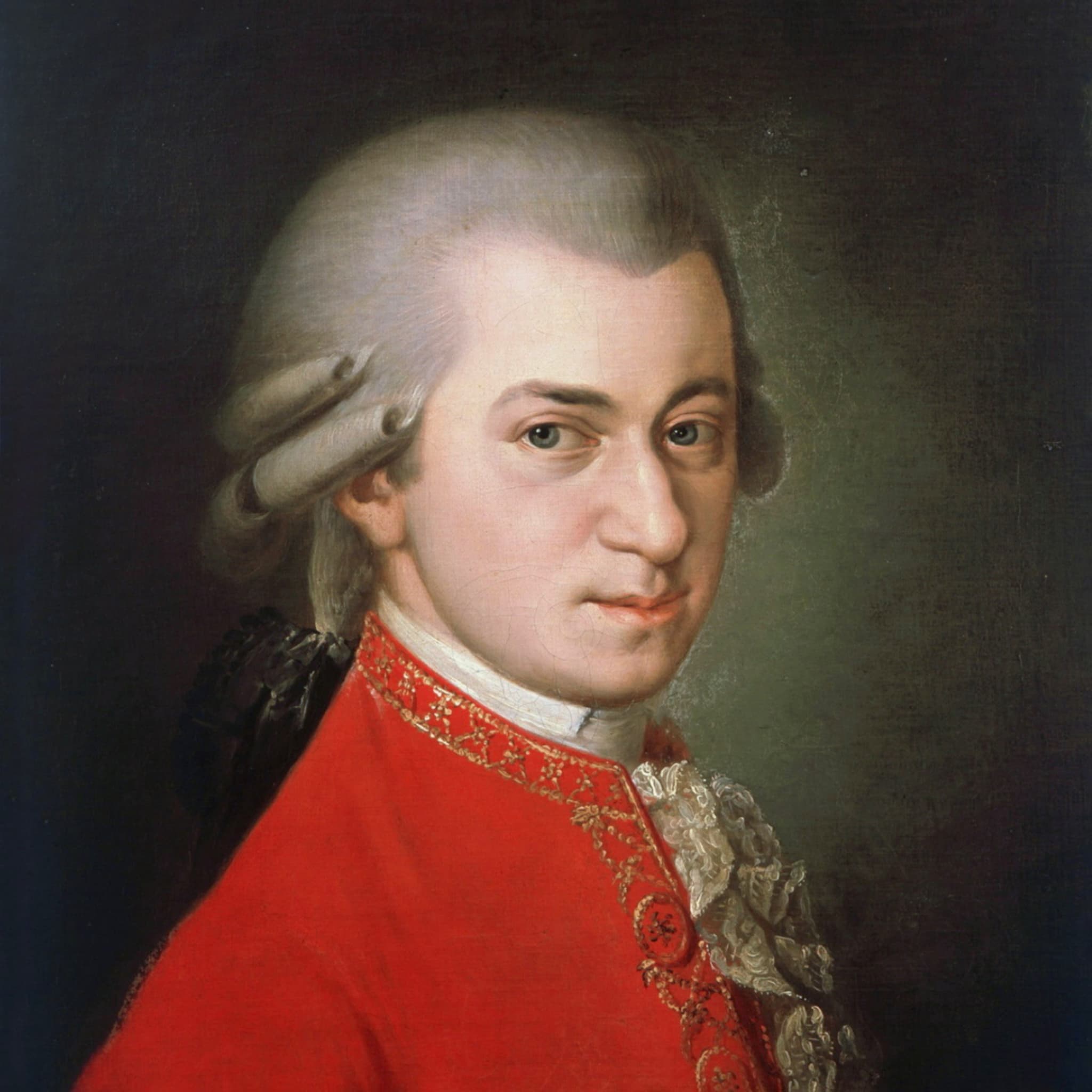





Wolfgang Amadeus Mozart Wolfgang Amadeus Mozart verließ im Alter von 25 Jahren Salzburg und den Erzbischof Colloredo, um ein neues Leben in Wien zu beginnen. Nachdem er im Juni 1781 vom erzbischöflichen Oberstkämmerer entlassen worden war, gewann er die ersehnte Unabhängigkeit in der österreichischen Hauptstadt.
In Wien folgten für Mozart ereignisreiche Jahre: Er feierte mit der Oper „Die Entführung aus dem Serail“ einen großen Erfolg und heiratete Constanze Weber im Stephansdom. Die finanziellen Umstände des Paares waren oft schwierig, ungeachtet Constanzes musikalischer Begabung und Leidenschaft, und während Mozart seine Kompositionen sorgfältig dokumentierte, kümmerte sich Constanze um das Familienleben.
Tagsüber widmete sich Mozart dem Unterrichten, abends gab er Konzerte, wobei er besonders stolz war, 174 Abonnenten für seine Konzertreihe gewonnen zu haben. Die Konzertserie im Frühjahr 1784 unterstrich sowohl seine Vielseitigkeit als auch seine schöpferische Energie. Seine Musik entstand meist zuerst im Kopf und wurde erst später niedergeschrieben – seine Werke waren ihm von unschätzbarem Wert.
Das Klavierkonzert Nr. 17 in G-Dur wurde höchstwahrscheinlich im Juni 1784 von seiner Schülerin Barbara Ployer uraufgeführt. Die Komplexität und Originalität dieses Konzerts machten es zu einem Werk, das auch Persönlichkeiten wie Clara Schumann beeindruckte.
Zahlreiche Zeitgenossen, darunter der irische Tenor Michael Kelley, bewunderten Mozarts Kunstfertigkeit. Jedes seiner Konzerte war ein Ereignis, bei dem er das Publikum mit neuen Kompositionen und seinem virtuosen Spiel begeisterte.
Mit den Jahren verschlechterte sich Mozarts Lebenssituation, und obwohl er 1791 noch sehr produktiv war, nahm sein Leben ein tragisches Ende. Sein letztes Klavierkonzert, das B-Dur-Konzert Nr. 27, wurde wenige Monate vor seinem Tod uraufgeführt, als er mit persönlichen und finanziellen Schwierigkeiten zu kämpfen hatte.
Bis heute überdauert Mozarts Musik die Zeit und vermittelt uns bedeutende Botschaften. Sein Abschied vom Leben und die Frühlingsstimmung spiegeln sich in seinen Werken wider und lassen die Tiefe seiner Gefühle erkennen.