
Konzerte



Opern



Alben


Erscheint auf







InfosJacques Offenbach
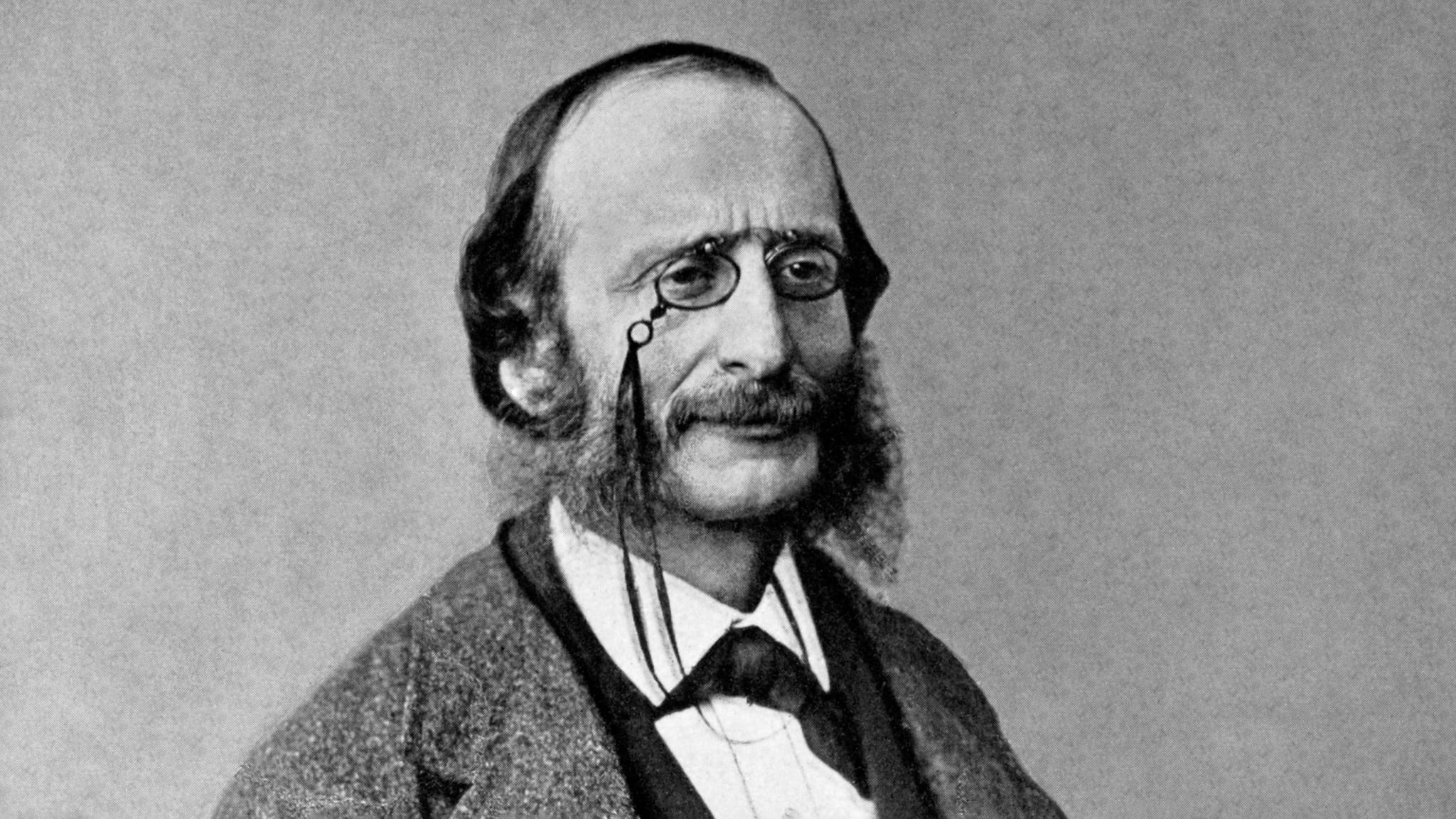
Jacques Offenbach (* 20.6.1819, Köln, † 5.10.1880, Paris) war er Erfinder der Operette. Geboren als Jakob Offenbach und Sohn eines jüdischen Kantors, bekam er schon als Kind Geigenunterricht. Offenkundig begabt, zog der Junge 1833 nach Paris und studierte am Konservatorium Violoncello. Er arbeitete daraufhin als Cellist an der Opéra Comique, ließ sich Fromental Halévy in die Kunst der Komposition einführen und wurde 1850 Kapellmeister am Théâtre Français. Fünf Jahre später gründete er seine eigene Bühne, die „Bouffes Parisiens“, die er bis 1863 als Direktor, Komponist und Dirigent leitete.
Dort wurde 1858 auch „Orphée aux enfers“ („Orpheus in der Unterwelt“) als Prototyp der Operrette uraufgeführt, das mit dem „Can-Can“ eine der berühmtesten Kompositionen des Genres enthielt. Als sich nach dem Ende des zweiten Kaiserreichs der Geschmack des Pariser Publikums änderte, kam Jacques Offenbach mehr und mehr in Schwierigkeiten. Ein zweiter Versuch als Theaterunternehmer scheiterte, Tourneen wie 1876 durch die USA floppten. Offenbach verarmte, wurde krank und starb 1880 während der Proben zu seinem späten Meisterwerk „Les contes d’Hoffmann“ („Hoffmanns Erzählungen“), das als melancholisch-satirische Fortführung der Operette die Gattung modifizierte. Die Uraufführung 1881 des unvollendeten, von dem Komponisten Ernest Guiraud vervollständigten Werks erlebte der Komponist nicht mehr.
Jacques Offenbach schuf über 100 Bühnenwerke. Charakteristisch war ihre durchweg kritische Haltung, die satirisch mit den bürgerlichen Gewohnheiten der Zeit Napoleons III. ins Gericht ging. Zu den bekanntesten Werken neben „Orpheus“ und „Les contes d’Hoffmann“ zählen unter anderem „La belle Hélène“ („Die schöne Helena“, 1864), „La vie Parisienne“ („Pariser Leben“, 1866) und „La Grande-Duchesse de Gérolstein“ („Die Großherzogin von Gerolstein“, 1867). Auch wenn Offenbachs Stern in Paris nach 1870 zu sinken begann, inspirierte er Kontrahenten wie Johann Strauß (Sohn), der unter dem Eindruck des Konkurrenten Meisterwerke wie „Die Fledermaus“ (1874) komponierte.