
Konzerte und Opern
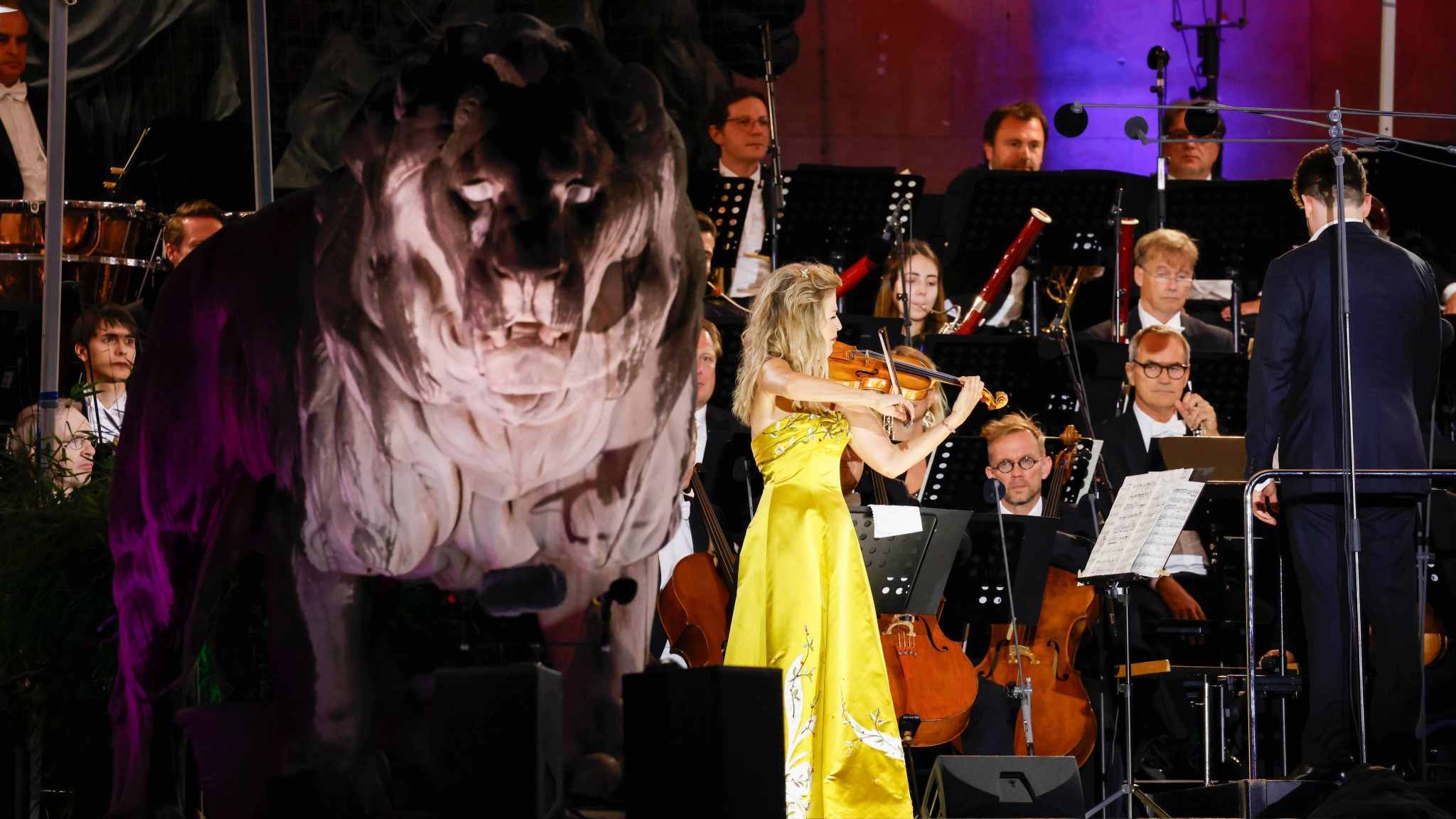

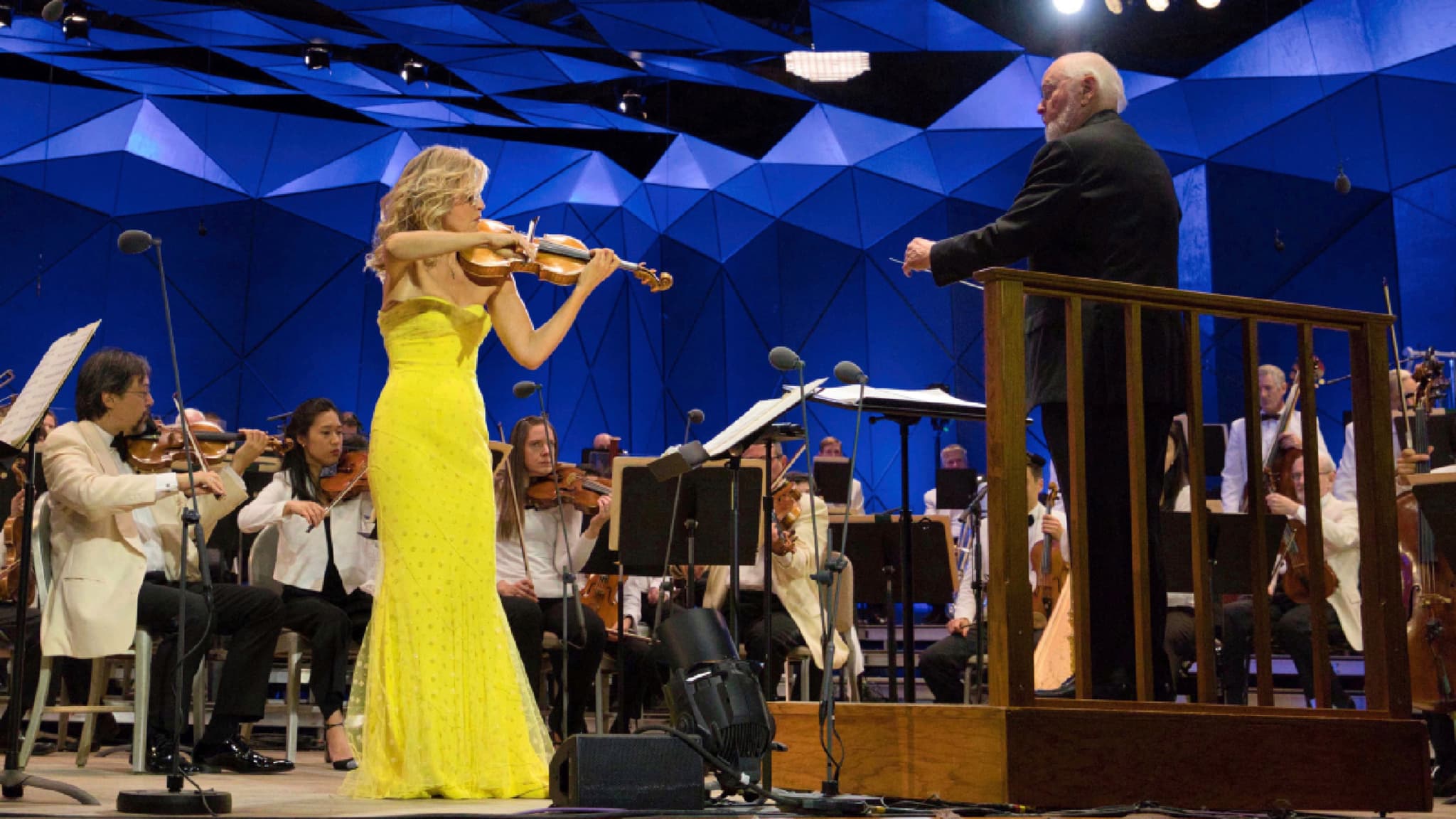
Anne-Sophie Mutter, John Williams & Friends: Beethoven und Williams
Pittsburgh Symphony
Konzert115 Min


Alben




Erscheint auf





Interviews



InfosJohn Williams

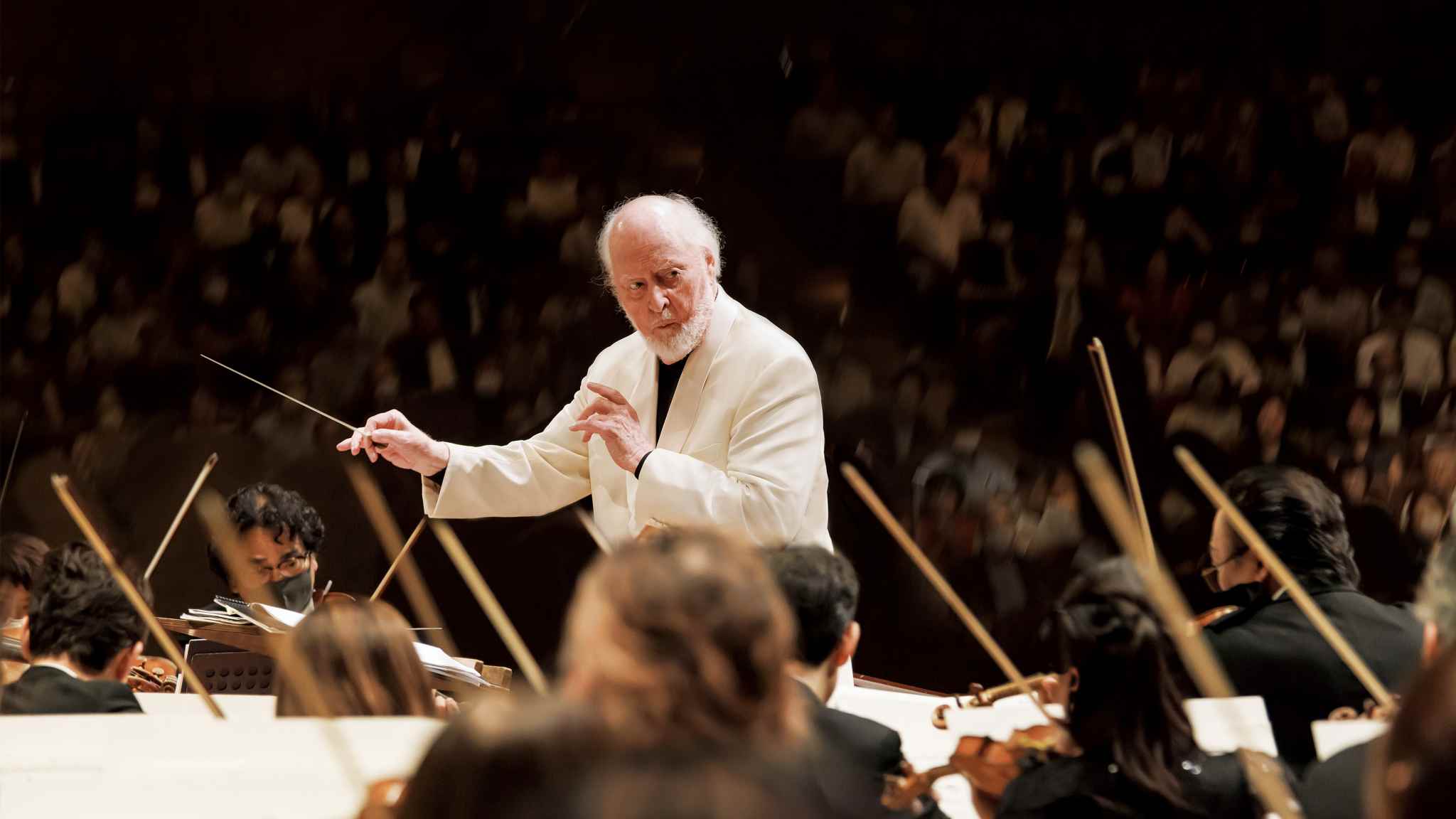
Mehr als ein halbes Jahrhundert ist es her, dass John Williams Laufbahn begann. Die Meriten, die er sich auf seinem Weg erwarb, machten ihn zum erfolgreichsten amerikanischen Komponisten für Filmmusik. Seine Kunst, heißt es, sei vollendet. Aber nicht nur in Kinos, auch in Konzertsälen ist er einer der Großen. So war er Musikdirektor des Boston Pops Orchestra, einer besonders geschätzten musikalischen Institution des Landes, und ist heute dort Ehrendirigent. Und er arbeitet mir internationalen Spitzenorchestern zusammen, dem Boston Symphony Orchestra etwa, dem New York Philharmonic, Chicago Symphony Orchestra und Los Angeles Philharmonic. Kaum zu überblicken sind die vielen renommierten Auszeichnungen, die er erhielt, darunter die National Medal of Arts, den Kennedy-Preis und den Olympischen Orden sowie Oscars, Grammys, Emmys und Golden Globes, alle im Plural zu nennen.
Exklusivinterviews mit John Williams Auf STAGE+ ansehen
Kurz: John Williams ist ein Mann der Superlative. Für mehr als 100 Filme komponierte er die Musik – für Filme, die jeder kennt. Allein aus seiner 45-jährigen künstlerischen Partnerschaft mit Steven Spielberg ging eine Vielzahl gefeierter Hollywood-Produktionen hervor: “Schindlers Liste”, “E.T. – Der Außerirdische”, “Der weiße Hai”, “Jurassic Park”, “Unheimliche Begegnung der dritten Art”, die “Indiana Jones”-Filme, “Der Soldat James Ryan”, “Amistad”, “München”, “Hook”, “Catch Me If You Can”, “Minority Report”, “A. I. Künstliche Intelligenz”, “Das Reich der Sonne”, “Die Abenteuer von Tim und Struppi”, “Gefährten”, “BFG – Big Friendly Giant” und “Lincoln”. Ihr jüngstes Projekt, “Die Verlegerin”, erschien im Dezember 2017. Williams komponierte die Musik zu allen “Star Wars”-Filmen, den ersten drei “Harry Potter”-Filmen und zu “Superman”, “JFK”, “Geboren am 4. Juli”, “Die Geisha”, “In einem fernen Land”, “Die Reisen des Mr. Leary”, “Kevin – Allein zu Haus”, “Nixon”, “Der Patriot”, “Die Asche meiner Mutter”, “Sieben Jahre in Tibet”, “Die Hexen von Eastwick”, “Rosewood Burning”, “Sleepers”, “Sabrina”, “Aus Mangel an Beweisen”, “Die Cowboys”, “Der Gauner” und “Goodbye, Mr. Chips”. Es sind die Legenden unter den Regisseuren, die sich für seine Arbeit entschieden, ob Alfred Hitchcock, William Wyler oder Robert Altman, aber auch Stars der Klassik. 1971 adaptierte Williams die Musik von “Anatevka” für die Filmversion des Musicals und komponierte dazu neue Violinkadenzen für den berühmten Virtuosen Isaac Stern. Als Pianist und Dirigent machte er unter anderem Aufnahmen mit Itzhak Perlman, Joshua Bell und Jessye Norman. Es kann nicht überraschen, dass er auch die wichtigsten Ehrenwürden bekam: Williams hat fünf Oscars erhalten und 52 Oscarnominierungen – damit ist er der am häufigsten nominierte lebende Künstler und der am zweithäufigsten nominierte in der Geschichte der Oscars überhaupt. Seine jüngste Nominierung erfolgte für den Film “Star Wars: Der Aufstieg Skywalkers”. Er erhielt zudem sieben British Academy Awards (BAFTA), 25 Grammys, vier Golden Globes, fünf Emmys sowie zahlreiche Gold- und Platin-Schallplatten.
John Williams wuchs in New York auf und zog 1948 mit seiner Familie nach Los Angeles, wo er Komposition bei Mario Castelnuovo-Tedesco studierte. Nach seinem Wehrdienst in der Air Force ging er nach New York zurück und studierte Klavier an der Juilliard School of Music bei Rosina Lhevinne. Daneben arbeitete er als Jazzpianist in den Clubs der Metropole. Zurück in Los Angeles begann seine Laufbahn in der Filmindustrie und es begann auch die Kooperation mit hervorragenden Komponisten, Bernard Herrmann beispielsweise, Alfred Newman und Franz Waxman. Williams schrieb die Musik zu mehr als 200 Fernsehfilmen der bahnbrechenden frühen Anthologie-Serien “Alcoa Theatre”, “Kraft Television Theatre”, “Chrysler Theatre” und “Playhouse 90”. Später komponierte er für das Fernsehen auch das wohlbekannte Thema für “NBC Nightly News” (“The Mission”), das Thema für die NBC-Sendung “Meet the Press” (die am längsten laufende Serie der Fernsehgeschichte), und ein neues Thema für die hochkarätige PBS-Serie “Great Performances”.
Neben seiner Arbeit für Film und Fernsehen hat John Williams viele Werke für den Konzertsaal komponiert, unter anderem zwei Symphonien sowie Konzerte für Flöte, Violine, Klarinette, Bratsche, Oboe und Tuba. Sein Cellokonzert wurde vom Boston Symphony Orchestra in Auftrag gegeben und 1994 von Yo-Yo Ma in Tanglewood uraufgeführt. Williams hat Auftragswerke für führende Orchester geschrieben, darunter ein Fagottkonzert mit dem Titel “The Five Sacred Trees” für die New Yorker Philharmoniker, ein Trompetenkonzert für das Cleveland Orchestra und ein Hornkonzert für das Chicago Symphony Orchestra. Das Boston Symphony Orchestra hob 1998 in Tanglewood “Seven for Luck” aus der Taufe, einen siebenteiligen Liederzyklus für Sopran und Orchester auf Texte von Rita Dove (1993–95 Poet Laureate der Vereinigten Staaten) und zu Beginn der Saison 2009/10 Williams’ neues Konzert für Harfe und Orchester mit dem Titel “On Willows and Birches” mit James Levine am Pult.
Im Januar 1980 wurde John Williams zum 19. Musikdirektor des Boston Pops Orchestra ernannt und trat damit die Nachfolge des legendären Arthur Fiedler an. Als er im Dezember 1993 nach 14 höchst erfolgreichen Spielzeiten in den Ruhestand ging, wurde er Ehrendirigent des Orchesters. Er ist zudem Artist-in-Residence in Tanglewood.
Als unverkennbar amerikanischer Künstler hat John Williams Musik für bedeutende kulturelle Veranstaltungen und Gedenkfeiern seines Landes komponiert. “Liberty Fanfare” entstand für die Wiedereinweihung der Freiheitsstatue 1986. “American Journey”, geschrieben zur Feier des neuen Jahrtausends und zur Begleitung des retrospektiven Films “The Unfinished Journey” von Steven Spielberg, wurde Silvester 1999 im Rahmen des Konzerts “America’s Millennium” in Washington, D. C. uraufgeführt. Das Orchesterwerk “Soundings” erklang bei der feierlichen Eröffnung der Walt Disney Concert Hall in Los Angeles. Für die Welt des Sports hat er musikalische Themen zu den Olympischen Sommerspielen 1984, 1988 und 1996, den Winterspielen 2002 sowie zu den Sommerspielen der Special Olympics 1987 beigetragen. 2006 komponierte er das Thema für die Präsentation von NFL Football auf NBC.
John Williams ist Ehrendoktor von 22 amerikanischen Universitäten, darunter die Harvard University, The Juilliard School, das Boston College, die Northeastern University, Tufts University, Boston University, das New England Conservatory of Music, die University of Massachusetts in Boston, The Eastman School of Music, das Oberlin Conservatory of Music und die University of Southern California. 2009 erhielt er die National Medal of Arts, die höchste Auszeichnung der amerikanischen Regierung für Künstler. 2016 wurde ihm der 44. Life Achievement Award des American Film Institute zuerkannt – als erstem Komponisten überhaupt. 2003 erhielt er den Olympischen Orden, die höchste Auszeichnung des IOC, für seine Verdienste um die olympische Bewegung. Er war Grand Marshal der Rose Parade in Pasadena 2004 und erhielt den Kennedy-Preis im Dezember desselben Jahres. 2009 wurde er in die American Academy of Arts & Sciences aufgenommen, im Januar desselben Jahres komponierte und arrangierte er “Air and Simple Gifts” für die Feierlichkeiten zur ersten Amtseinführung von Präsident Barack Obama. 2018 erhielt er den Trustees Award der National Academy of Recording Arts and Sciences.
Januar 2020