
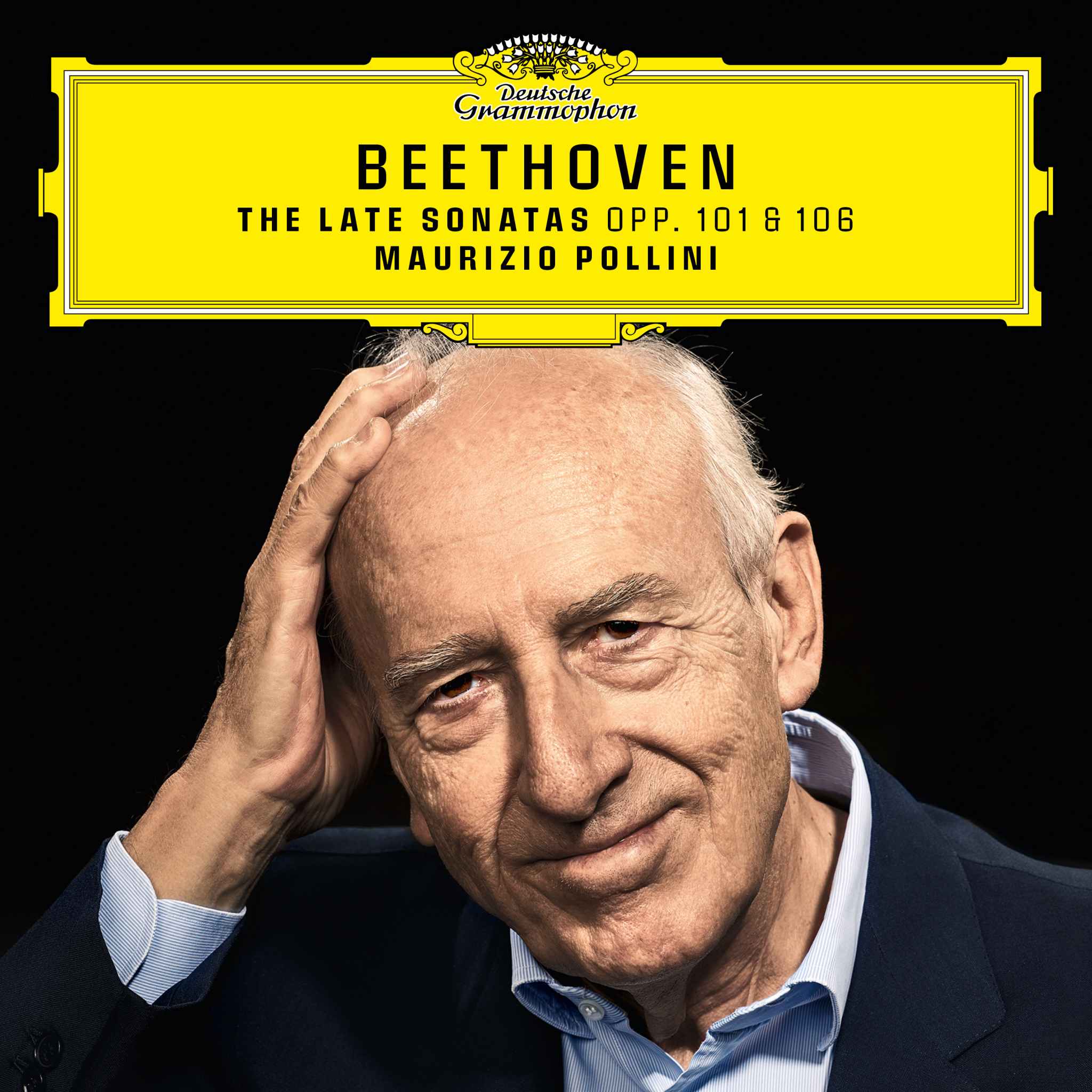
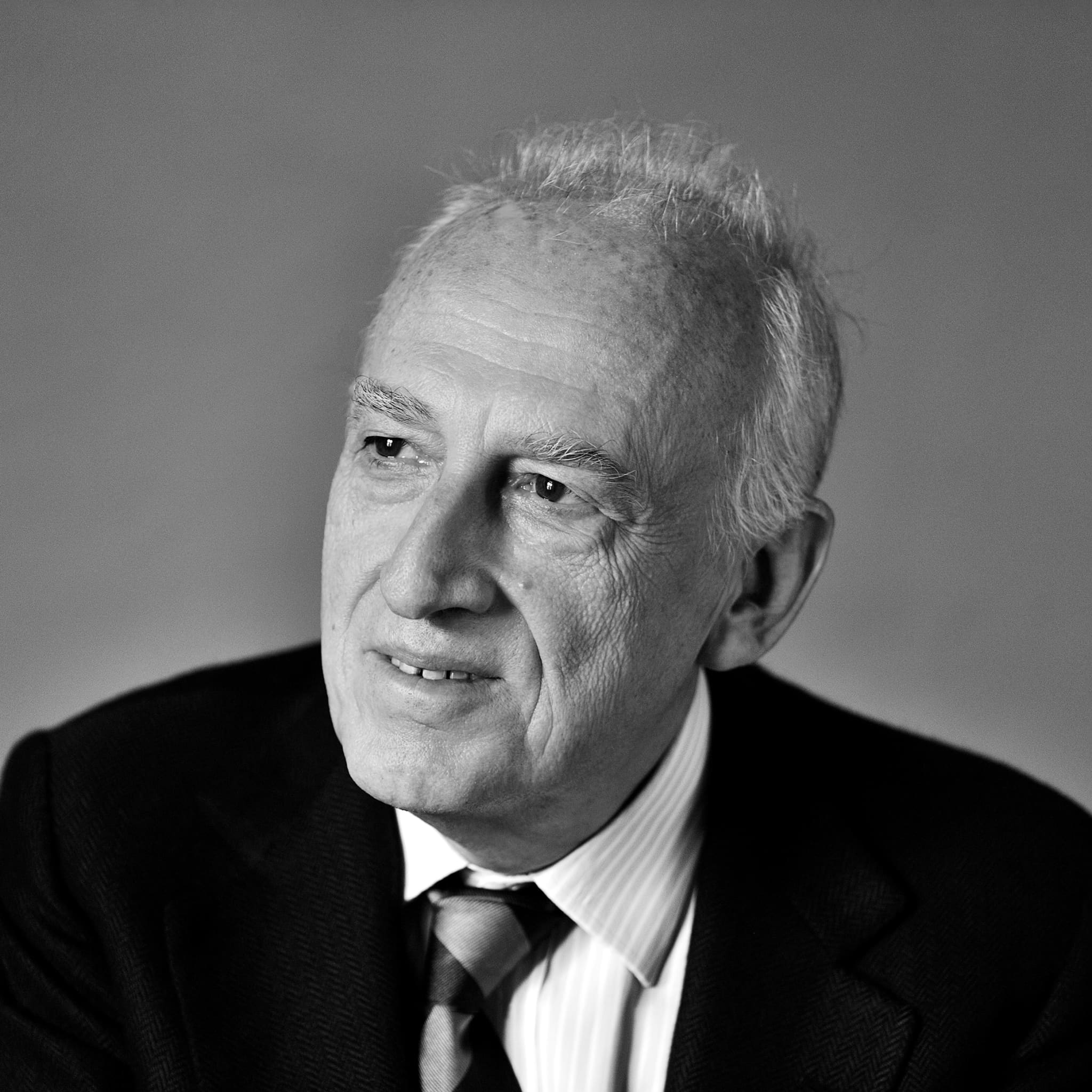

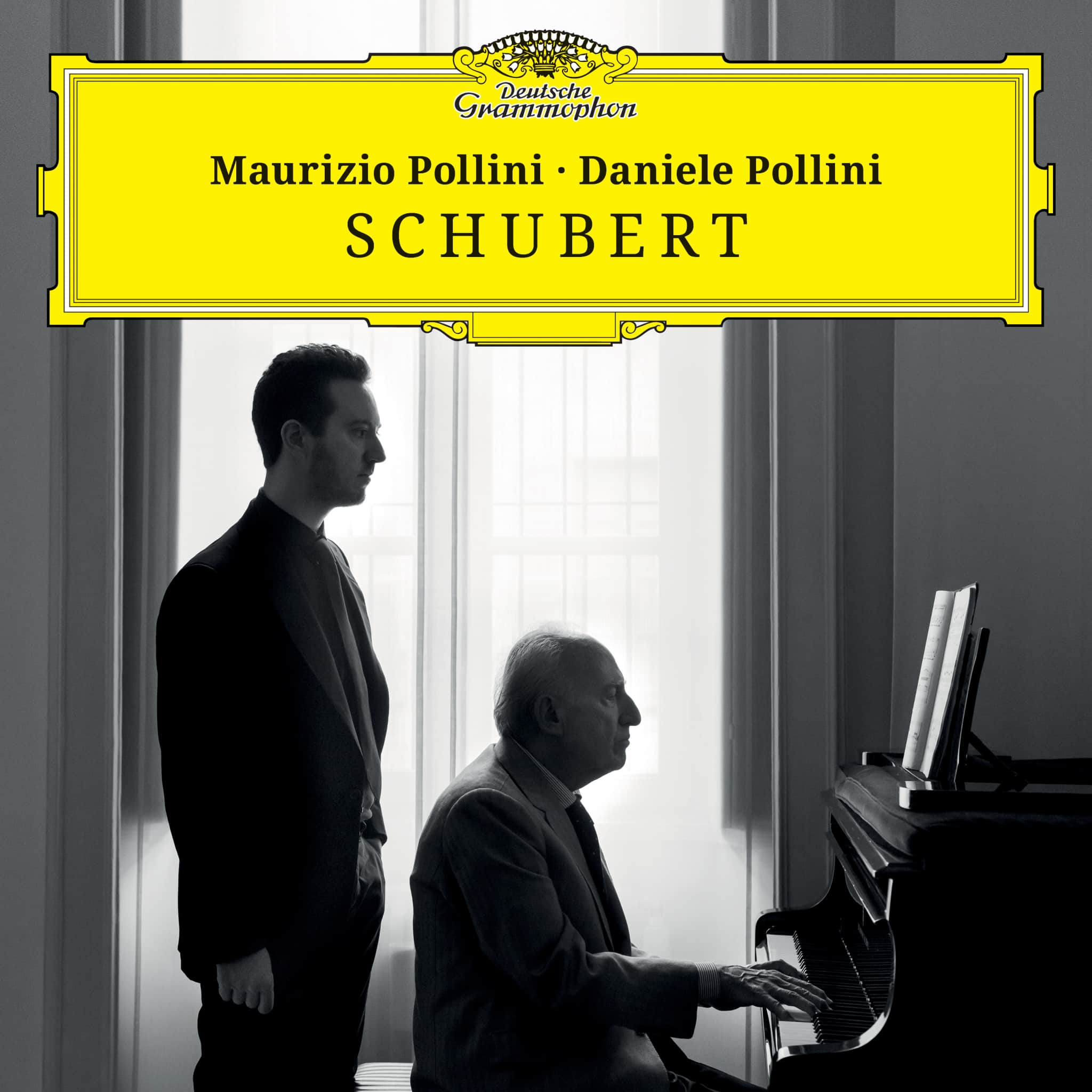
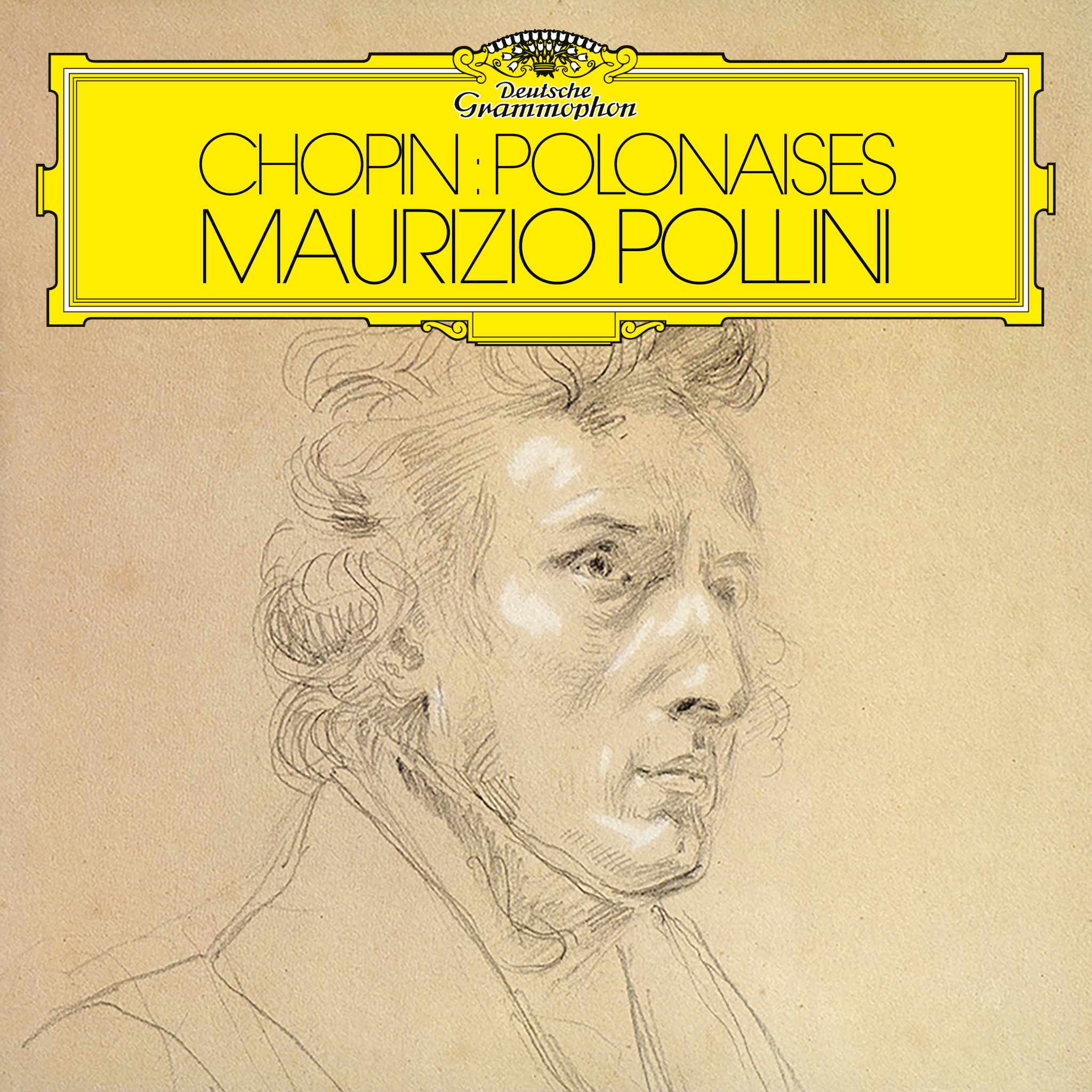


Beethoven's Music For Maurizio Pollini, each Beethoven sonata possesses its own unique world, its characteristic sound unfolding from the first note to the last. Since the 1970s, Beethoven's music has profoundly shaped the Italian pianist's life. His legendary recording of the last five sonatas, which won a Gramophone Award, marked the beginning of a decades-long engagement with the work, culminating in a complete recording of all 32 sonatas in 2014. Yet, for Pollini, artistic exploration remains an ongoing process: in 2019, he returned to the late sonatas and re-recorded the last three.
With his latest album, recorded in 2021/22 in the exceptional acoustics of Munich's Herkulessaal, Pollini now completes his second interpretation of these late works. He considers the A major Sonata, Op. 101, and the "Hammerklavier" Sonata, Op. 106, to be particularly outstanding masterpieces brimming with creative power. Both works exemplify Beethoven's innovative experiments with form, harmony, and counterpoint. While Op. 101 is generally regarded as the beginning of Beethoven's so-called "late style," his third and final creative period, Op. 106 fundamentally revolutionized the sonata genre, presenting pianists with unprecedented technical and emotional challenges. For Pollini, the "Hammerklavier" Sonata is the most significant work in Beethoven's sonata cycle.